
A China food culture tour isn’t just about shoving noodles down your throat. It’s about understanding why a grandmother in Chengdu piles six different chili peppers into one pot, and why a Hunan auntie pulls her stir-fry off a wok so scalding the metal ripples. After fifteen years guiding people through China’s kitchens, I’ve learned the real stories live in the steam, not the brochures.
What Makes a China Food Culture Tour Worth It

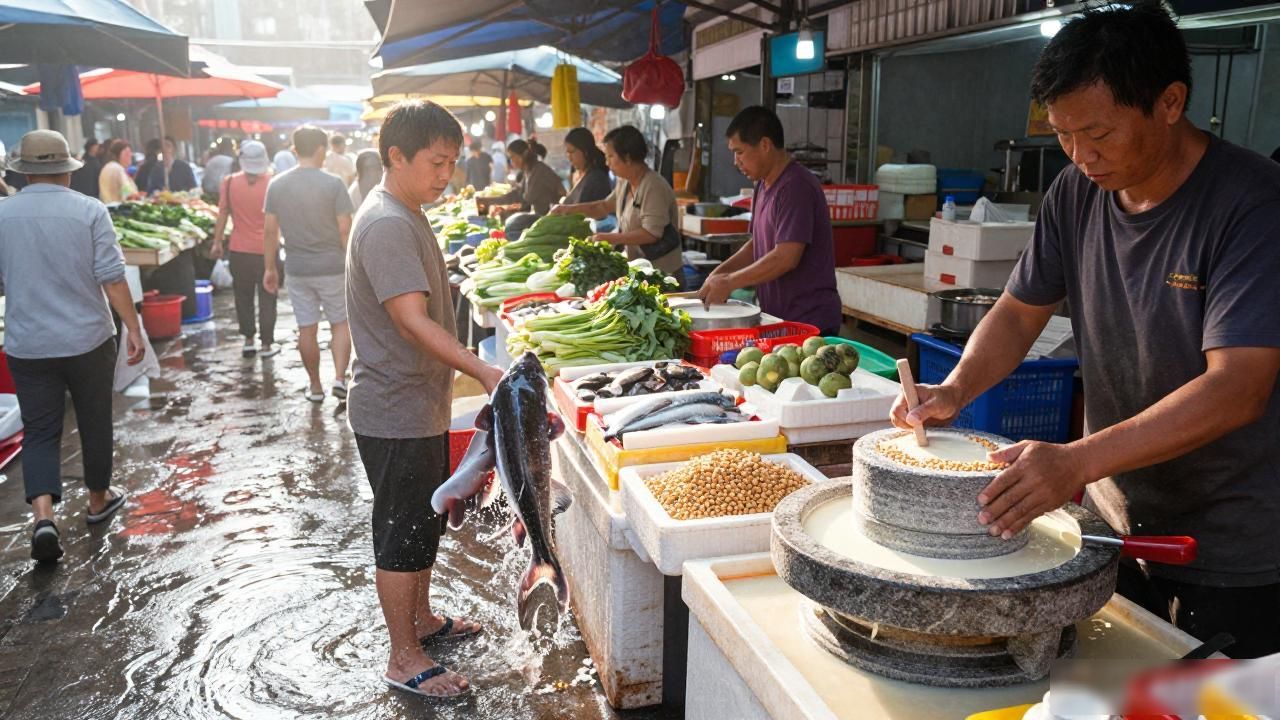
The thing that hooks me every single time is the “why.” In Guangzhou, most tourists grab a dim sum set at a polished teahouse and call it done. But a proper tour drags you to the wet market at five in the morning, where the fishmonger still slaps catfish across the counter and the tofu seller presses whole slabs by hand. You taste the exact same ingredients hours before they ever hit a restaurant pan.
What separates a good tour from a bad one is the people,not the plating. I build my routes around specific cooks — the seventy-four-year-old woman in Fuzhou who braises pork in a clay pot her late husband built from river clay. She doesn’t perform for tourists. She’s making lunch for her grandson, and you just stand in the doorway and breathe in the osmanthus and soy sauce. That’s the difference no five-star restaurant can replicate.
Where Should You Start a China Food Culture Tour
Honestly? Chengdu. Not Beijing, not Shanghai — Chengdu. The city treats eating as a near-religious ritual, not a refueling stop. You can walk from a mala xiangguo alley into a Sichuan opera teahouse, eat four bowls of dan dan noodles, and still have room for cold soy milk at the night market. The spice here is layered, not just “hot.” It’s numbing sanjiao, citrus peel, fermented black beans, and dried chilies all folding into one bite.
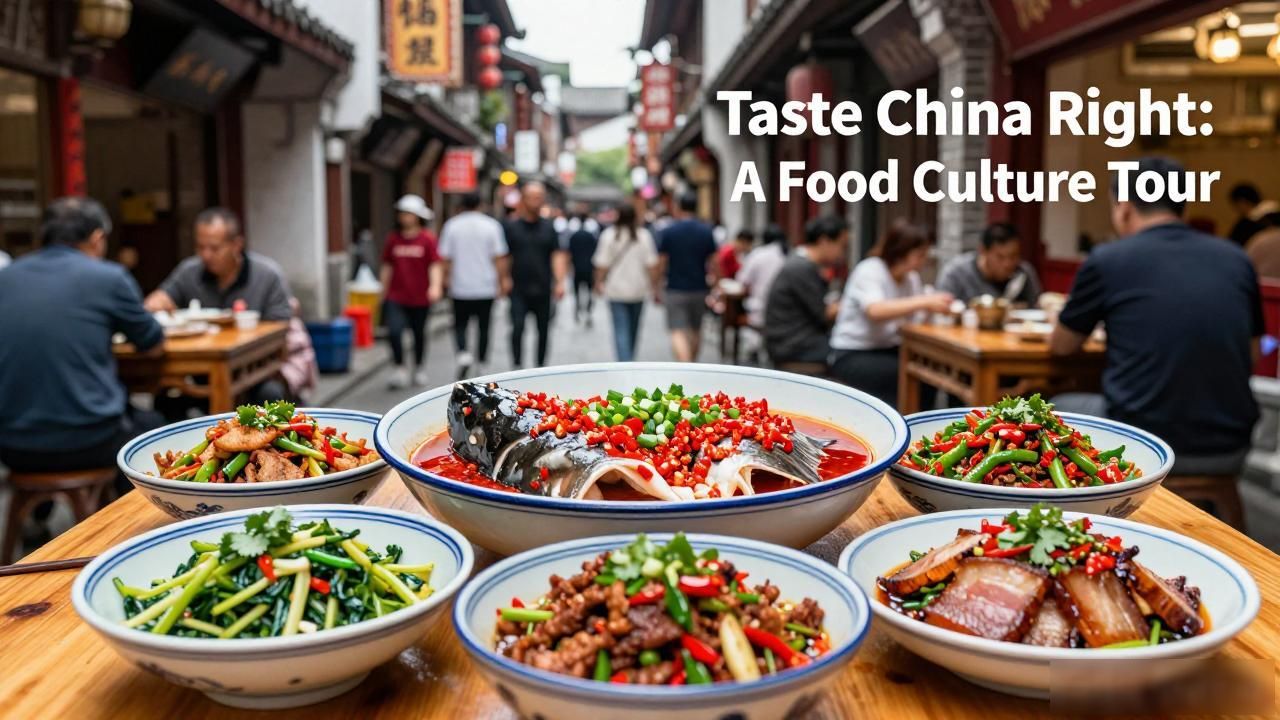
If you’ve got extra days, add a Hunan leg. Changsha hits different. The chili is direct, almost violent, and the pickled green peppers in every single dish make your sinuses blow wide open on the bus ride back to your hotel. Two regions in one itinerary gives you the full spectrum of what “spicy” actually means in this country.
So pack a lighter jacket for the Sichuan leg — you will sweat through it at the table — and leave your rigid food judgment at the airport gate. The food here doesn’t care what you’ve eaten before. It just wants you to sit down, pick up the chopsticks, and listen to the wok sing.