
I’ve spent nine years chasing light across China, from misty mountain valleys in Guizhou to neon-drenched alleyways in Chongqing. China travel photography spots number in the thousands, yet most travelers squeeze their trips into two or three weeks and walk home wondering what they missed. This piece breaks down where to actually point your camera and when to be there, distilled from what I’ve learned after thousands of hours in the field with a shutter in my hand.
## Which China travel photography spots are underrated

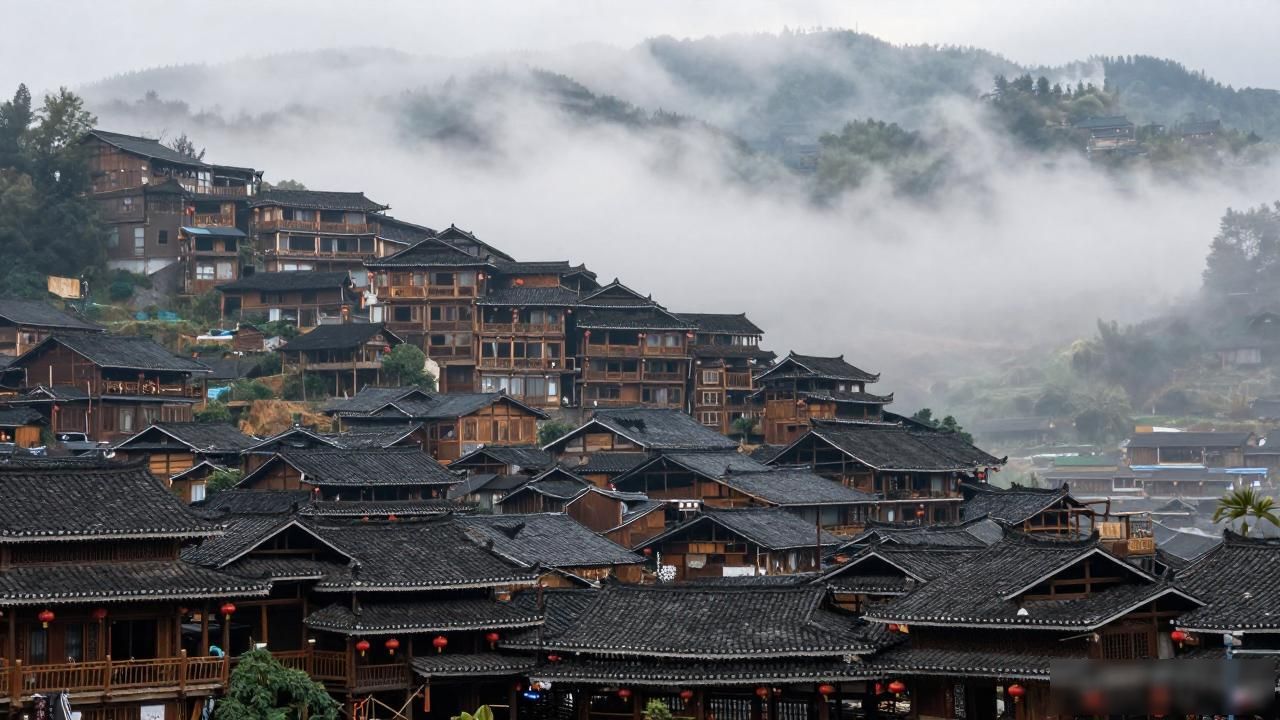
Everyone posts Jiuzhaigou and the Great Wall, and fair enough, they’re stunning. But the frames that genuinely wreck your feed sit one bus ride away from the tourist core. In Guizhou, the stilted wooden houses of Xijiang Qianhu village catch morning fog so thick you could carve it with a knife. I shot there for six hours one November morning and barely made it past the village’s outer edge before the light went.
Closer to Yunnan, the red-earthen cliffs of Zhaotong have almost no foreign visitors at all. The rock face splits into cathedral-like arches that glow a deep, almost violent orange around four in the afternoon. You’ll share the trail with maybe two local hikers, a flock of geese, and one very confused goat.
When to visit China travel photography spots
Season beats location more often than people expect. Hainan’s coast feels flat and dead by August, but that same stretch of beach in late February catches the northeast monsoon and erupts into a surfers’ playground with rolling walls of kelp and salt spray. Across to the Gobi Desert, the dunes only reveal their wind-carved rippled patterns clearly in November, when the air is bone-dry and the sand turns a deep, saturated gold that no lens filter can fake.
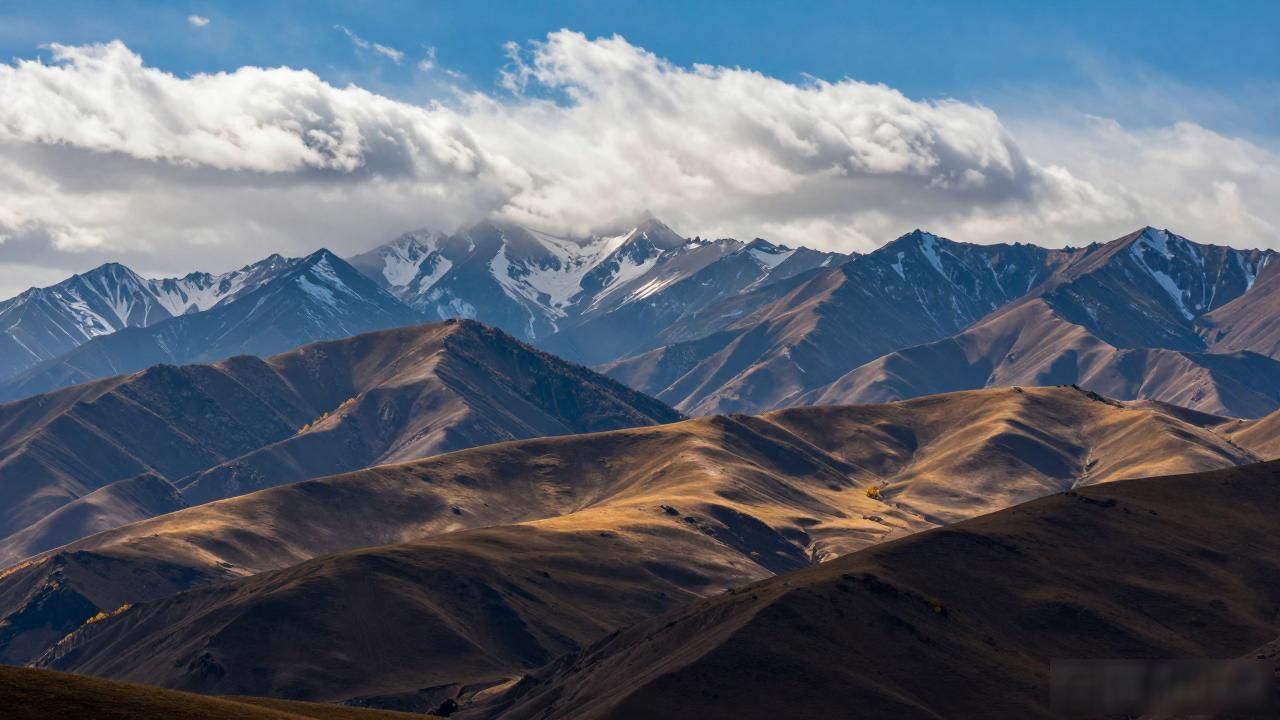
For most of western China, late September through mid-October hits the sweet spot. Humidity drops, clouds thin, and the light takes on that long,slanted quality that makes distant snow peaks look impossibly blue. I’ve photographed the same range in Qilian twice, once in July when everything was murky and overcast, and once in October with three full hours of golden hour. The two sets of images look like they were shot on different planets.
Pack your lenses, check the monsoon calendar, and go somewhere the guidebooks haven’t worn smooth yet. Your sharpest frame is almost always the one nobody else bothered to capture.