
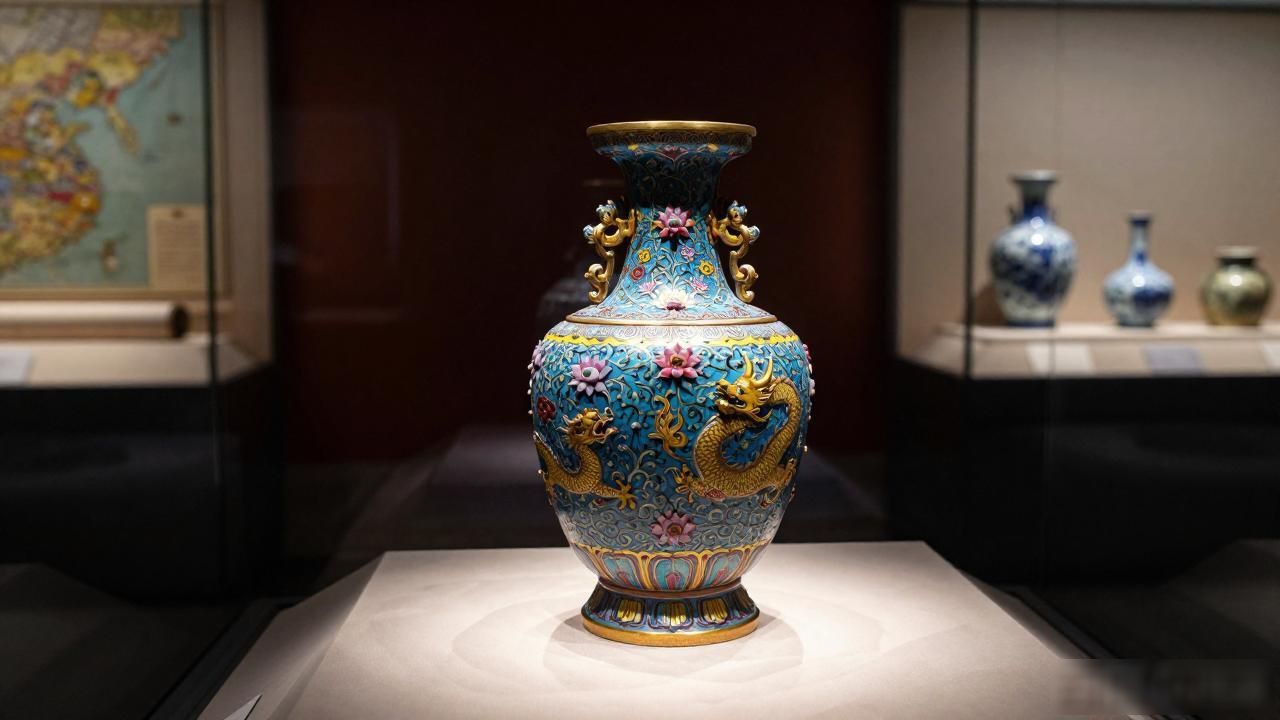
The Forbidden City holds over a million objects, and the Palace Museum treasures that actually reach the public eye represent just a fraction of that staggering number. Walking through those halls, you see jade cups, Ming dynasty vases, and hand-rolled scrolls that emperors never let anyone outside the inner court touch. What strikes me after years of guiding visitors here is how much of this collection remains locked in underground vaults, with only a small rotation on display at any given time.
Why Palace Museum treasures matter

These aren’t just pretty old things. A single Qing dynasty enamel vase in the Eastern Palace tells you about Silk Road trade, court politics, and the exact season when a particular emperor’s taste shifted from restrained blue-and-white porcelain to something far flashier. The objects carry layers of information no textbook can replicate, and standing in front of one for five minutes says more than a hundred pages of reading.
I remember a visitor asking me if the museum was “just a royal palace.” The Palace Museum treasures answer that better than any wall plaque. A set of ritual bronze mirrors from the Song era, sitting quietly in the West Six Palaces, shows you how far back imperial power actually reaches and how the craft traditions thread into something thousands of years older than the Ming dynasty that built this city.
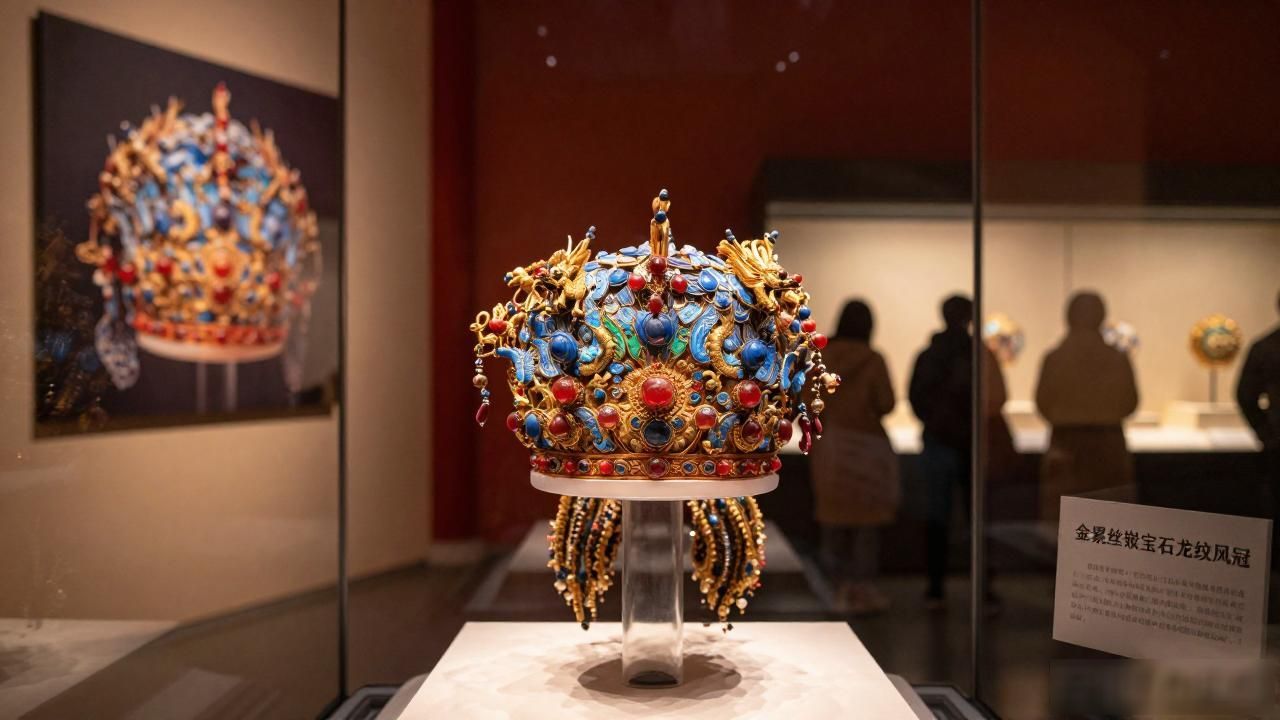
How to see Palace Museum treasures
Practically speaking, the rotating exhibitions mean you might walk in expecting a famous painting and find a glass placeholder instead. Check the museum’s schedule on their site before you go. The Meridian Gate Hall and the East and West Six Palaces swap out their displays roughly every few months, and the pieces on show in January are often completely different from those in May.
Skip the tourist-heavy morning rush. Come around noon, when the crowds thin out, and you can actually stand in front of a piece for more than thirty seconds without someone’s phone hovering in your face. Bring water, wear comfortable shoes, and give yourself at least three hours. The collection is spread across nine hundred-plus rooms, and rushing through it defeats the whole point.
Walking out the Gate of Peace with the afternoon light catching those upturned eaves, you realize the treasures inside weren’t made to be scanned quickly on a scrolling tour. They were made to outlast everyone who ever held them. That thought follows you home longer than any souvenir from the gift shop.