
I’ve spent four years traveling across China, and the honest truth is that 90% of what foreign visitors see is the same three cities and two mountains. Real China lives in places no algorithm will ever push. This is a guide to those places—ones where you can still get lost and feel like a discovery is actually happening.
Where does off path China travel go
Take the western corridor through Gansu, past the tourist-choked Dunhuang, and keep going north into Longshuan. The Qilian Mountains here haven’t been paved for tourists. You’ll find yak herders who speak a dialect even local Chinese don’t follow, and valleys where the only sound is river water hitting granite.

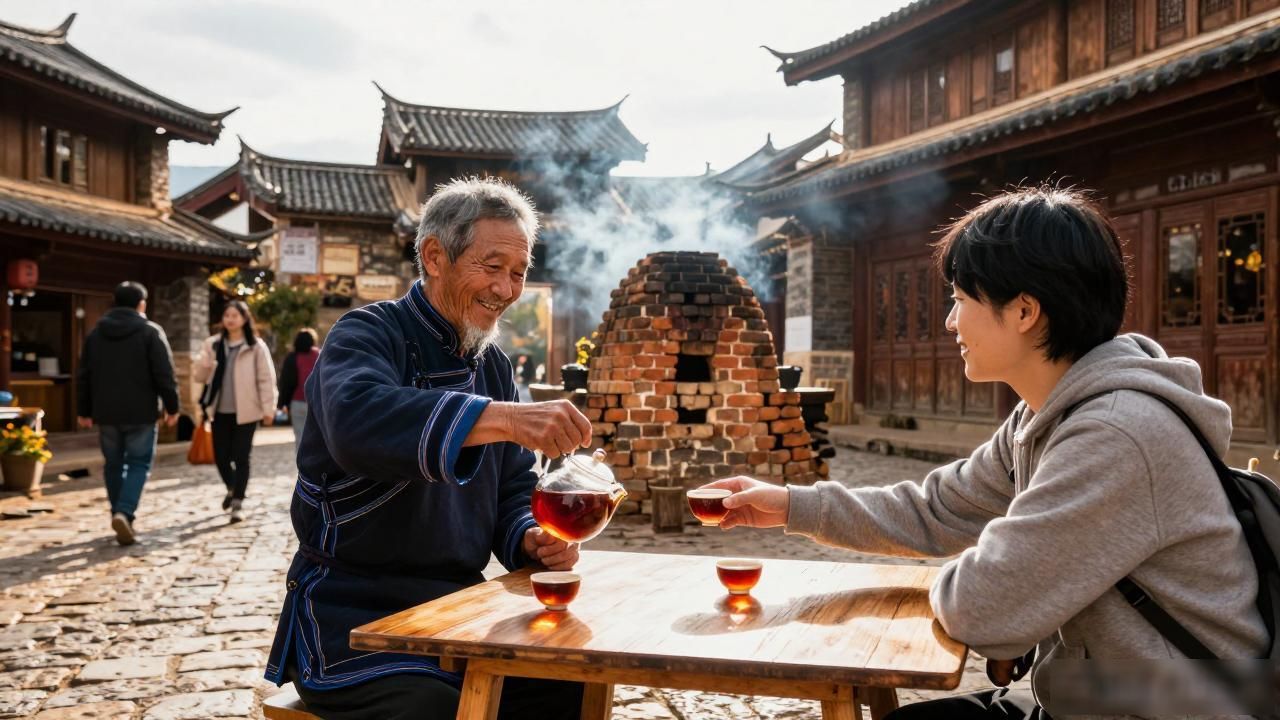
Or head into Baisha in Yunnan, the village that produced all of China’s tea. The old brick kilns still smoke every autumn. Locals will pour you pu-erh steeped for twenty minutes and talk to you like you’ve known them for years. No ticket booth, no group tour, no queue.
What off path China spots look like
They look like a village where the road ends and the phone signal dies. Think Danba in western Sichuan: Tibetan wooden houses stacked up a cliffside, prayer flags snapping in wind that carries no commercial slogan. You walk in, a grandmother offers you butter tea,and the afternoon just… stretches.
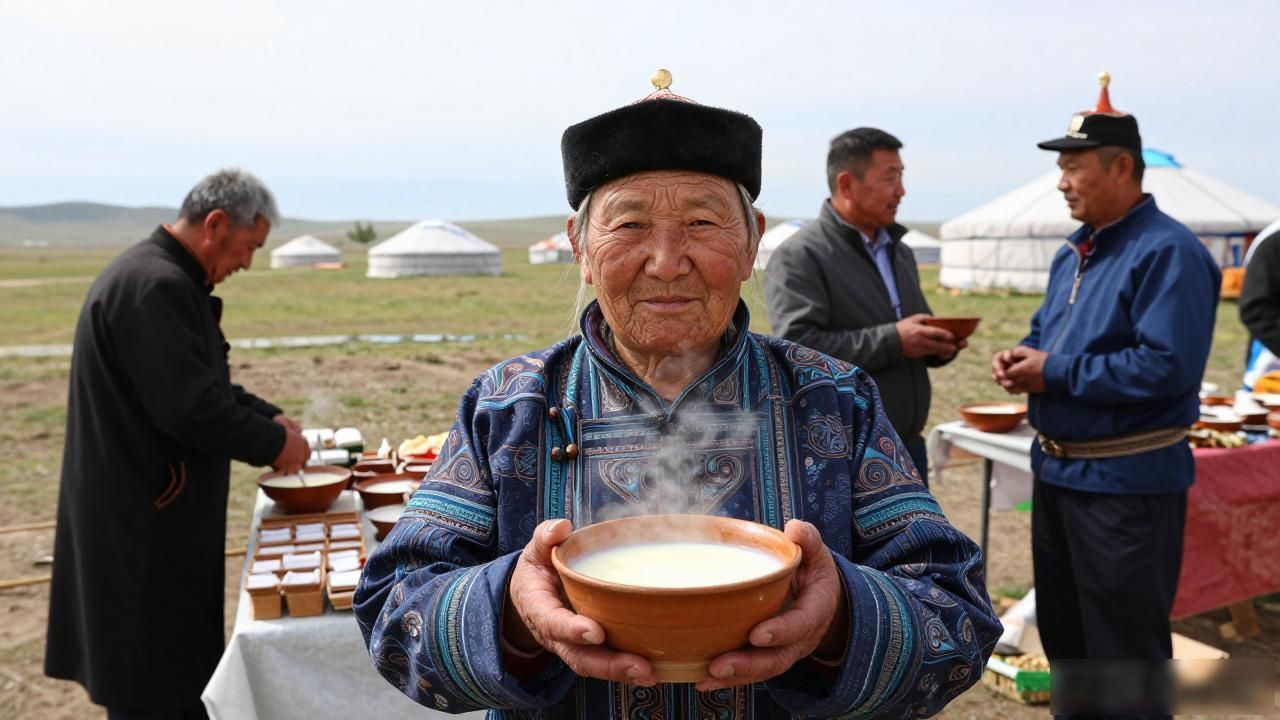
They look like a border town where three cultures braid together. Hailar in Inner Mongolia sits right on the Mongolian steppe. Russians, Kazakhs, and Mongolians share the same market. You can grab a bowl of borts, fermented mare’s milk, from a woman who learned the recipe from her grandmother across the fence line.
Why is off path China travel worth it
Because the version of China you get in Xi’an’s Terracotta Army is real but curated. It’s a postcard. The version you get in a Gansu shepherd’s tent, or a Yunnan tea farmer’s courtyard, is the country actually living. You learn what people eat, how they argue with neighbors, what they’re scared of this decade.
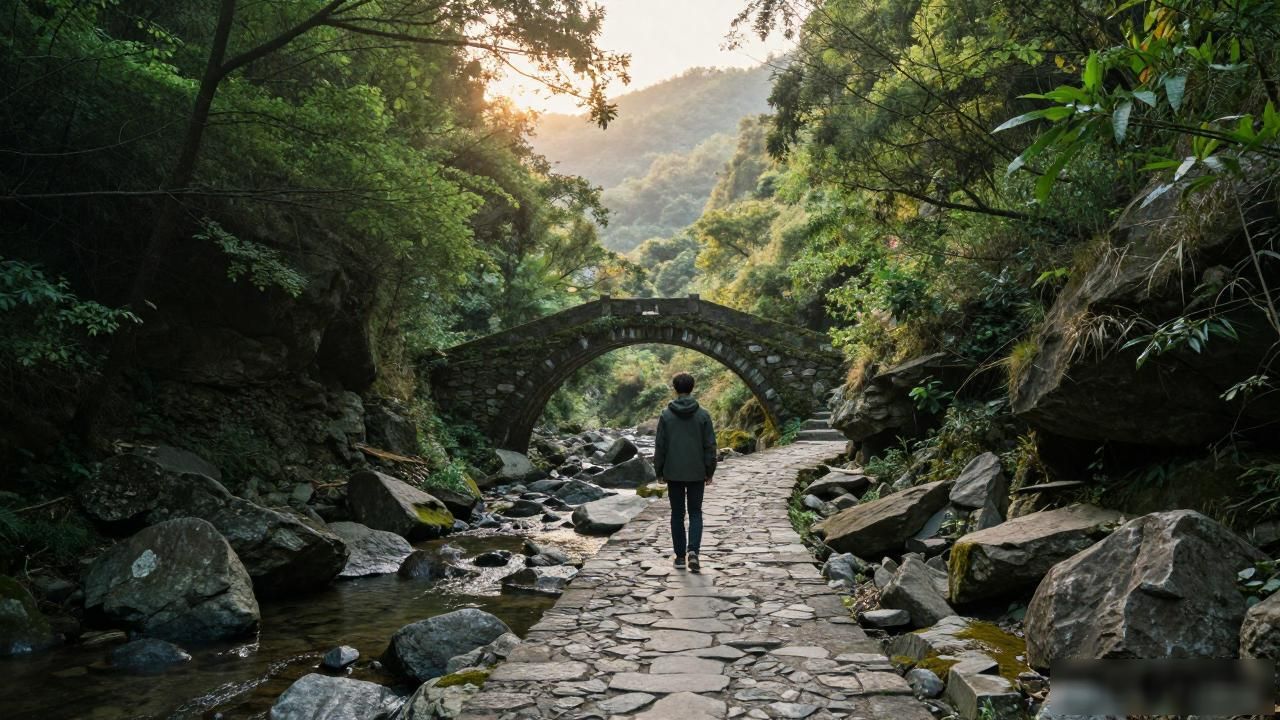
Plus, practically speaking: fewer people means lower costs, deeper access, and a trip that looks completely different from everyone else’s Instagram. You’ll come home with stories nobody at your office can replicate. That’s the whole point of leaving the main road.
Pack light, learn three Mandarin phrases, and let the map be wrong for once. The places that don’t show up on your phone are the ones that’ll stick.