
Navigating China’s transit system is often cheaper and more efficient than expected for visitors. Many foreigners assume that traveling in a developing giant will be expensive, but the reality is quite different when it comes to moving around cities. The infrastructure is vast, modern, and incredibly affordable. Understanding the basic fare structures can save you money and reduce stress during your trip. This guide breaks down what you need to know about costs, payment methods, and regional differences.
Subway and Bus Pricing Realities

Metro systems in major hubs like Beijing, Shanghai, and Shenzhen operate on distance-based pricing. You rarely pay a flat rate. In Beijing, for instance, the base fare starts at three yuan for the first six kilometers. As you travel further, the cost increases incrementally. A typical commute within the city center might cost between two to four dollars, which is significantly lower than comparable systems in New York or London. Buses are even cheaper, often costing just one dollar regardless of distance in smaller cities, though large metropolises may charge slightly more based on zones.
The ease of payment has revolutionized how these fares are handled. Cash is becoming obsolete in urban areas. Most travelers rely on Alipay or WeChat Pay, which link directly to bank cards. You can scan a QR code to enter stations or board buses instantly. For those without Chinese apps,purchasing a physical transit card at station counters is still an option. These cards work across multiple modes of transport and are refundable upon departure. It is crucial to keep your card safe, as replacing it can be a bureaucratic hassle.
High-Speed Rail and Intercity Costs
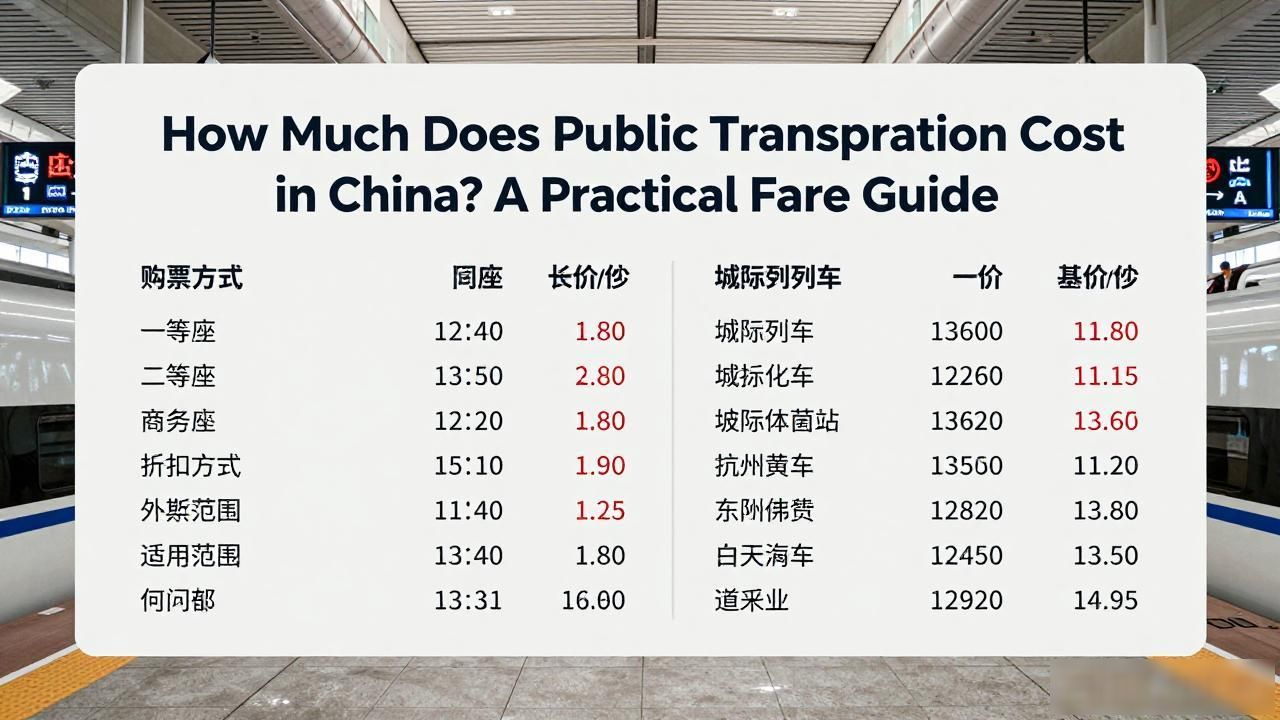
When leaving city centers, high-speed rail becomes the primary mode of long-distance travel. Fares here are structured differently, reflecting speed and comfort. A second-class seat on a bullet train from Beijing to Shanghai, a journey of about four hours, typically costs around fifty-five dollars. First class and business class options are available for those willing to pay double or triple that amount. While this seems pricey compared to local buses, it offers unparalleled efficiency and punctuality.
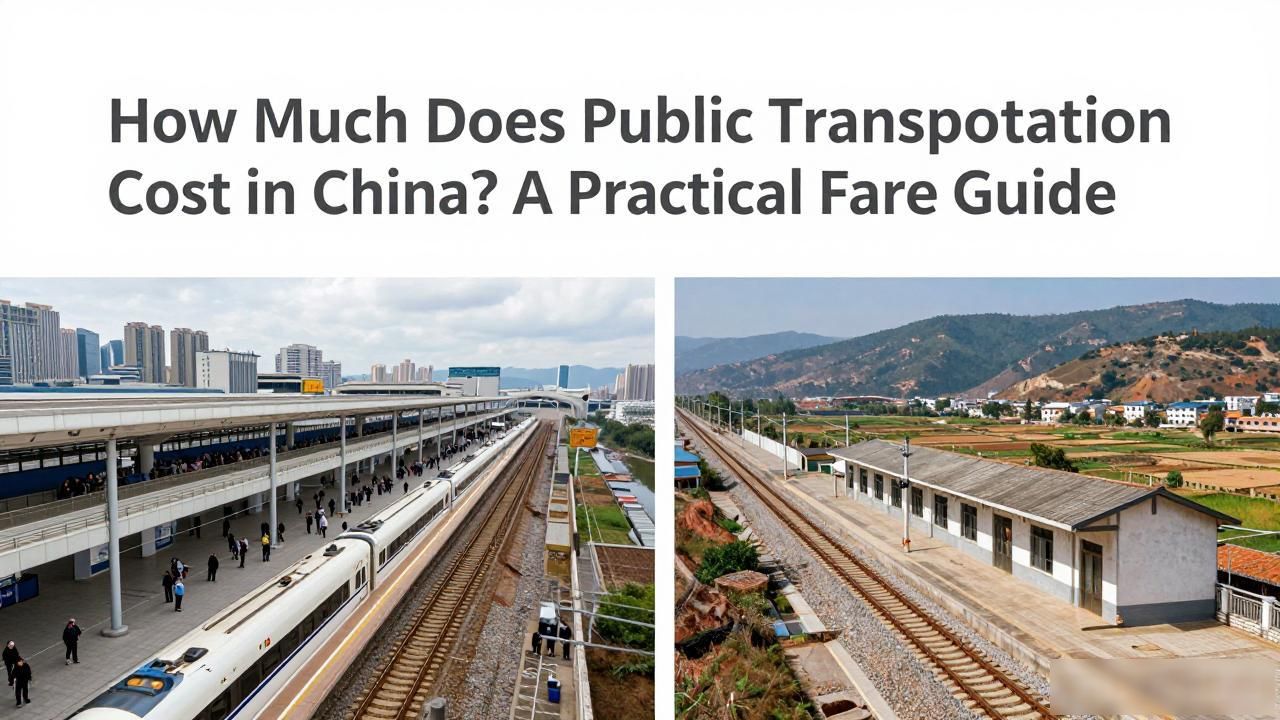
Regional variations play a huge role in pricing. Traveling in western provinces like Yunnan or Sichuan is generally cheaper than in the wealthy eastern coast. However, ticket prices for high-speed trains are standardized nationally to some extent. Budget travelers can opt for conventional green trains, which take much longer but cost a fraction of the price. These older trains offer basic seats and sleeper compartments, providing an authentic, albeit less comfortable, experience. Planning ahead is essential, as last-minute bookings can lead to higher costs or sold-out tickets.