
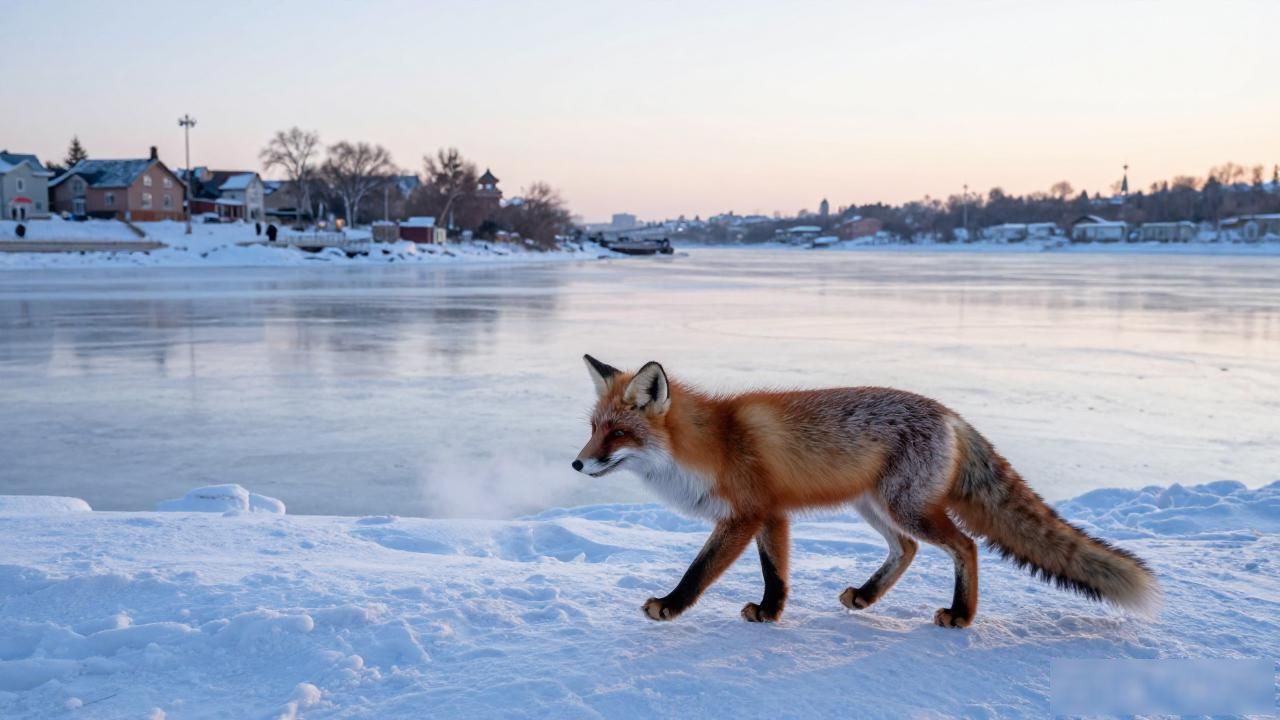
Harbin’s winter is not just about ice sculptures and skating rinks. Beneath the frost, a quiet ecosystem of migratory birds, deer, and foxes makes the city a surprising wildlife destination. After three seasons photographing animals across Heilongjiang, I’ve learned that the real magic of Harbin winter wildlife view happens where the city bleeds into wilderness.
When is Harbin winter wildlife view best

The peak window runs from mid-December through February, when the Songhua River freezes solid and food sources shrink,pulling animals closer to open water and the edges of human activity. I’ve caught red foxes at four in the morning trampling through fresh snow near Daoli District, their breath forming tiny clouds against the black sky. The cold is brutal—minus twenty-five degrees is a regular Tuesday—but that’s exactly when behavior gets dramatic.
January and early February remain my go-to months. Breeding pairs of swans still linger on unfrozen tributaries, and the low winter light makes silhouettes pop against an all-white landscape. You don’t always need a 400mm telephoto. Sometimes a fox will drift within ten meters because the snow has buried every burrow except one.
Where to spot Harbin winter wildlife view
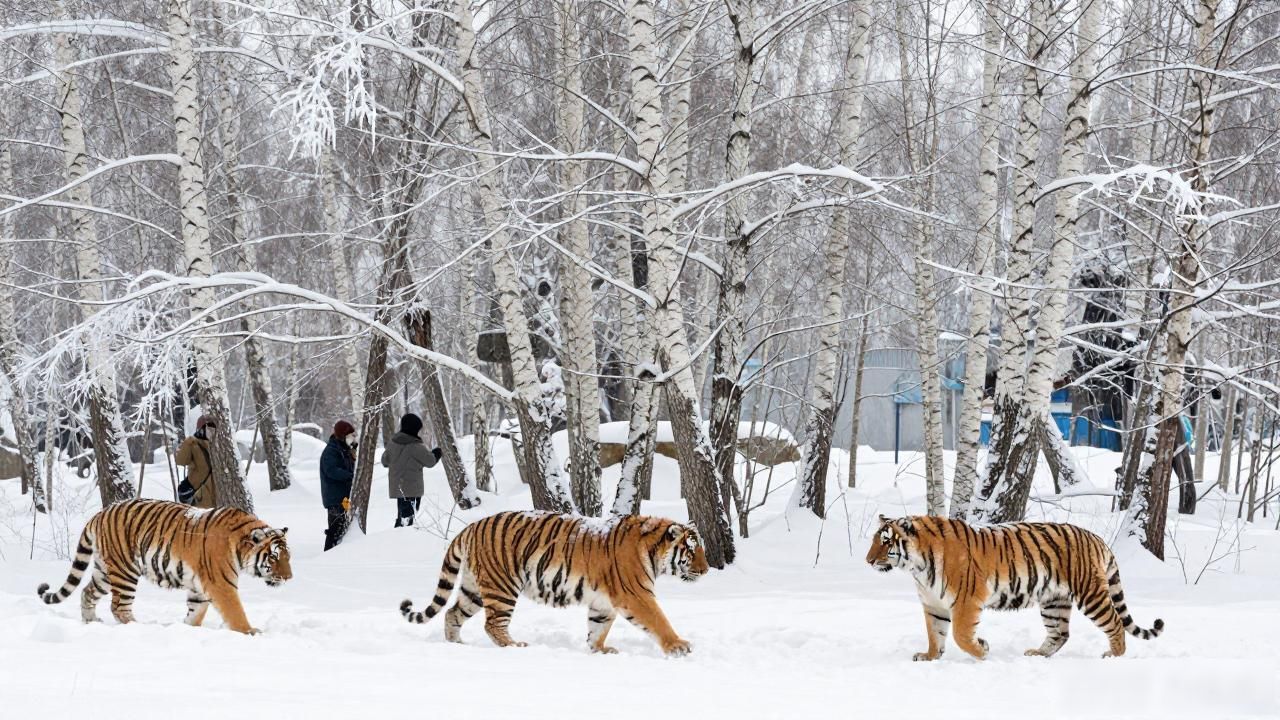
The Songhua River banks stay the most reliable stretch, especially the section past Zhaolin Park where urban development thins out. Zhaolin Park itself hosts a small population of sika deer that most visitors never notice because they’re too busy with the ice slides. Walk the northern trail after six in the evening and you’ll see them in groups of four or five, ears swiveling at every rustle.
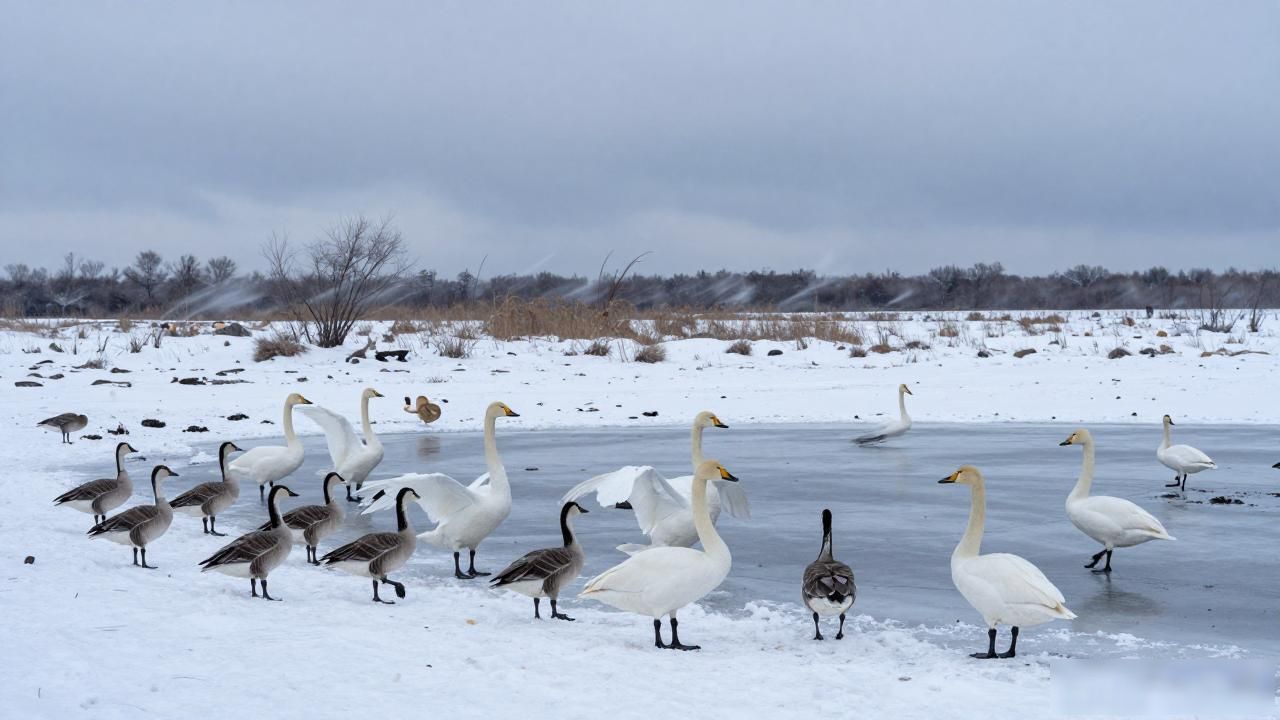
Beyond the city limits, the Daqing wetlands about an hour north offer a wider kind of view. Tundra swans and white-headed geese gather on partially frozen ponds, calling into the wind. The cold there is different—drier, more biting—and the mud under two meters of snow will swallow your boots to the ankle. But the sky is enormous, the birds don’t flinch, and the silence is the kind that fills your chest.
What stays with me after all these seasons is how unglamorous the whole thing is. No golden hour glow, no warm fur pressed against your cheek. Just patience, a thermos of black coffee going lukewarm, and the sudden gasp when a fox turns its head straight at you. The wildlife doesn’t care that you’re a tourist with a rented coat. It cares that you’re quiet, still, and out of its way.