
Food is the heartbeat of Chinese culture, and for travelers, a culinary journey offers a deeper connection than any museum visit. A China food tasting tour is not just about filling your stomach; it is an exploration of history, geography, and local identity. From the spicy streets of Chengdu to the delicate dim sum houses of Guangzhou, every region tells a unique story through its flavors. This guide simplifies the complex landscape of Chinese cuisine, helping you navigate the best dishes and cities without getting lost in translation.
Where is the best city for authentic Chinese street food?

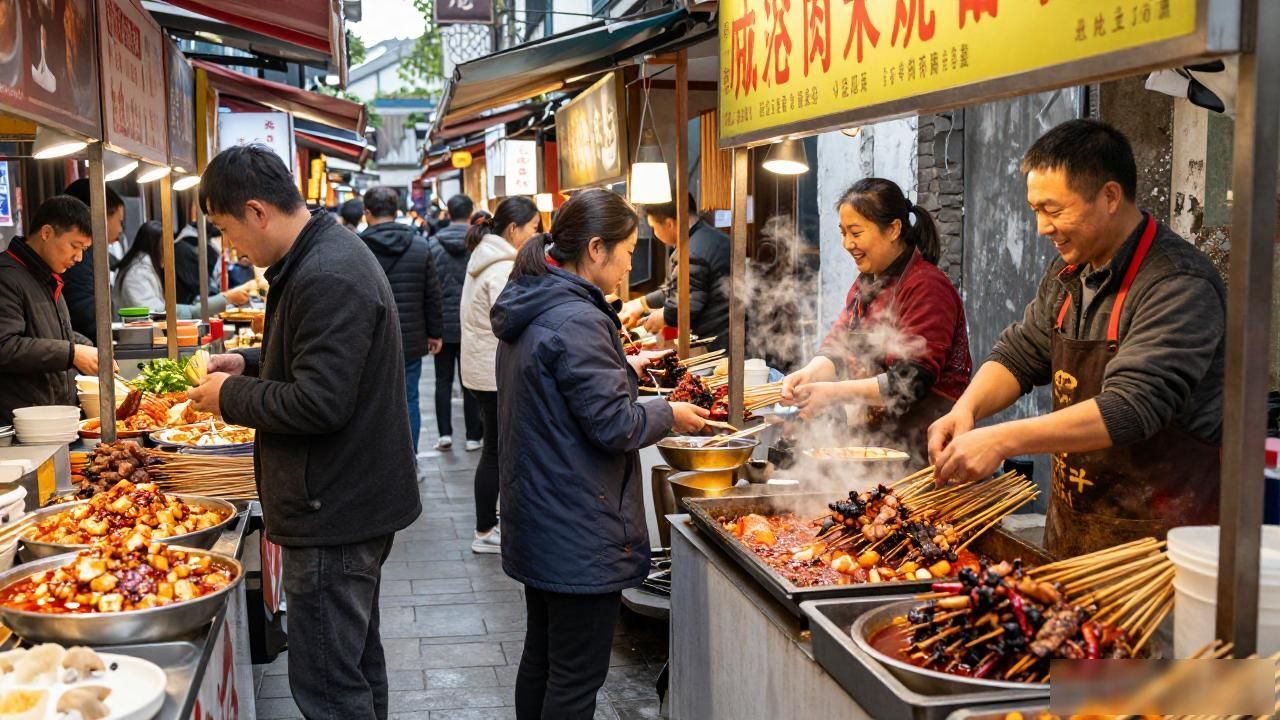
Chengdu stands out as a paradise for spice lovers and adventurous eaters. The air here is thick with the aroma of Sichuan peppercorns and chili oil. You will find stalls selling mapo tofu and skewers grilled to perfection. The numbing sensation of ma-la is an experience you must try. It defines the soul of western Chinese cuisine. Walking through Jinli Ancient Street feels like stepping into a bustling night market from another era. The energy is contagious, and the variety of snacks is endless.
If you prefer something sweeter and more refined, Guangzhou is the undisputed capital of dim sum. The tradition of yum cha involves sitting around round tables, sharing small plates of steamed buns, dumplings, and rice noodle rolls. It is a social ritual that has lasted for centuries. Dim sum is not just breakfast; it is a way of life. The freshness of the ingredients is paramount, and the skill of the chefs is visible in every pleat of the dumpling. This city offers a gentler introduction to Chinese culinary arts.
What are the must-try dishes on a food tour?
Beyond regional specialties, certain dishes have transcended borders to become global icons. Peking Duck is perhaps the most famous export from Beijing. The skin is roasted until it shatters like glass, while the meat remains tender and juicy. Served with thin pancakes, scallions,and sweet bean sauce, each bite is a balance of textures and flavors. Ordering Peking Duck is a non-negotiable part of any trip to the north. The preparation requires days of labor, ensuring quality that fast food chains can never replicate.
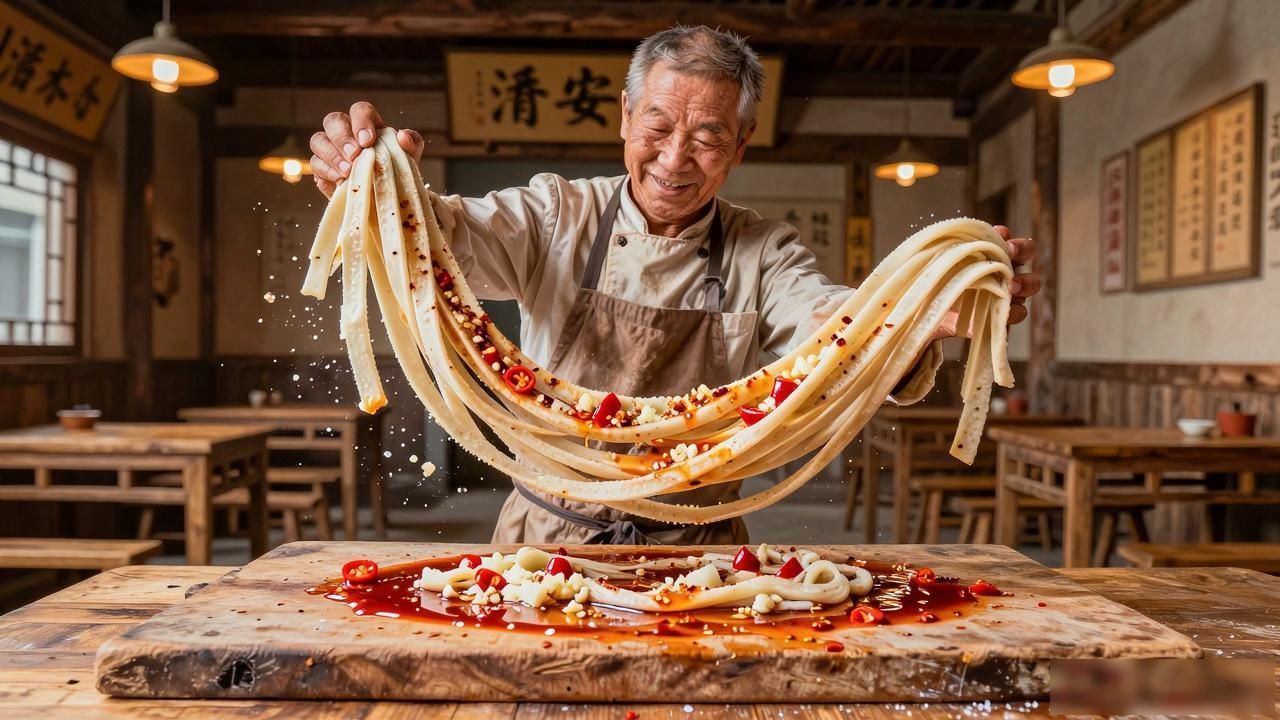
For those who love noodles, Xi’an offers Biangbiang noodles. These wide, hand-pulled strips are topped with chili flakes, garlic, and vinegar. The sound of the chef slapping the dough against the table gives the dish its name. It is rustic, hearty, and deeply satisfying. Another essential item is Xiaolongbao, or soup dumplings from Shanghai. Biting into one releases a burst of hot broth that is both thrilling and dangerous. Mastering the art of eating xiaolongbao takes practice but rewards you immensely. These dishes showcase the diversity and depth of Chinese cooking traditions.