

When most people think of China, they imagine red lanterns,dumplings, and ancient dynasties. But these are just surface-level symbols. The real depth of Chinese culture lies in its unspoken rules, family bonds, and philosophical roots that have shaped daily life for millennia. Understanding these traditions offers a window into a civilization that values harmony, respect, and continuity above all else. This guide strips away the tourist traps to reveal the living heartbeat of Chinese society today.
What is the significance of Filial Piety in modern China?

Filial piety, or Xiao, is the cornerstone of Chinese social ethics. It is not merely about obeying parents but involves a lifelong commitment to their well-being and dignity. In modern urban centers, this looks different than in rural villages. Young professionals often live far from their aging parents, yet they maintain strict communication routines. Sending money, hiring caregivers, or ensuring frequent visits are seen as moral imperatives rather than optional gestures. The pressure to succeed is often driven by a desire to bring honor to the family name, creating a unique blend of individual ambition and collective responsibility.
This concept extends beyond the nuclear family to ancestors. During Qingming Festival, millions travel back to hometowns to clean tombs and offer food. It is a somber reminder that the dead are still part of the community. Respect for elders dictates every interaction, from seating arrangements at dinner tables to how younger people address older colleagues. Ignoring this hierarchy is considered a severe breach of etiquette, signaling a lack of character.
How do festivals reflect Chinese cultural values?
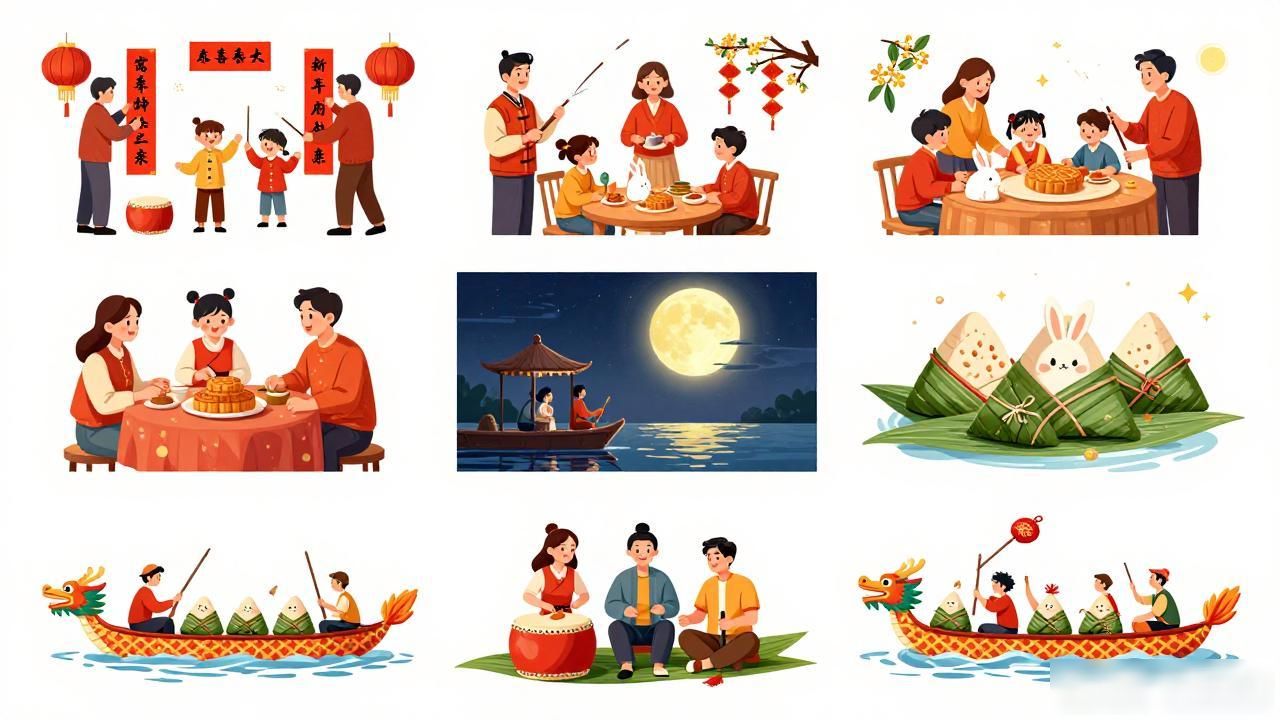
Chinese festivals are not just holidays; they are rituals that reinforce social cohesion. Spring Festival, or Chinese New Year, is the most critical. It is less about partying and more about reunion. The journey home, known as Chunyun, is the largest annual human migration on Earth. People endure exhausting travel conditions because the symbolic act of gathering for a reunion dinner is sacred. It reaffirms family ties that may have frayed during the year.
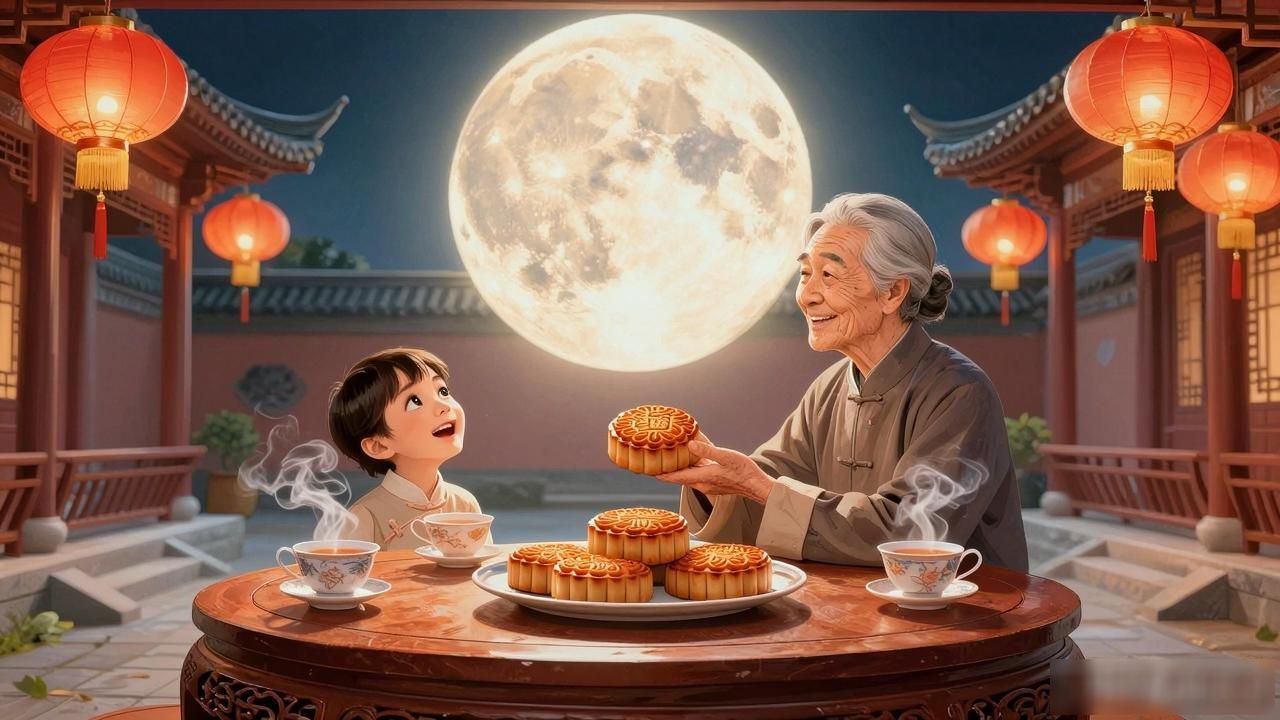
Mid-Autumn Festival offers another layer of meaning. Families gather to eat mooncakes while admiring the full moon, which symbolizes completeness and unity. Unlike Western birthdays that celebrate the individual, these festivals prioritize the group. Gift-giving follows complex unwritten rules involving the number of items and their packaging. The color red dominates celebrations, representing luck and prosperity, while avoiding it in funerals prevents bad omens. These subtle codes govern social interactions, making cultural fluency essential for anyone trying to navigate Chinese society with authenticity and respect.