
Food in China is not just fuel; it is a language. For travelers from abroad, the menu can look like a foreign code. But once you understand the rhythm of the chopsticks and the logic of flavors, dining becomes a deep connection to history. This guide cuts through the noise. It focuses on what actually matters when you step into a bustling street market or a quiet family home. You will learn how to navigate meals like a local,avoiding tourist traps while discovering authentic tastes that define the region.
Where to find authentic Chinese cuisine?

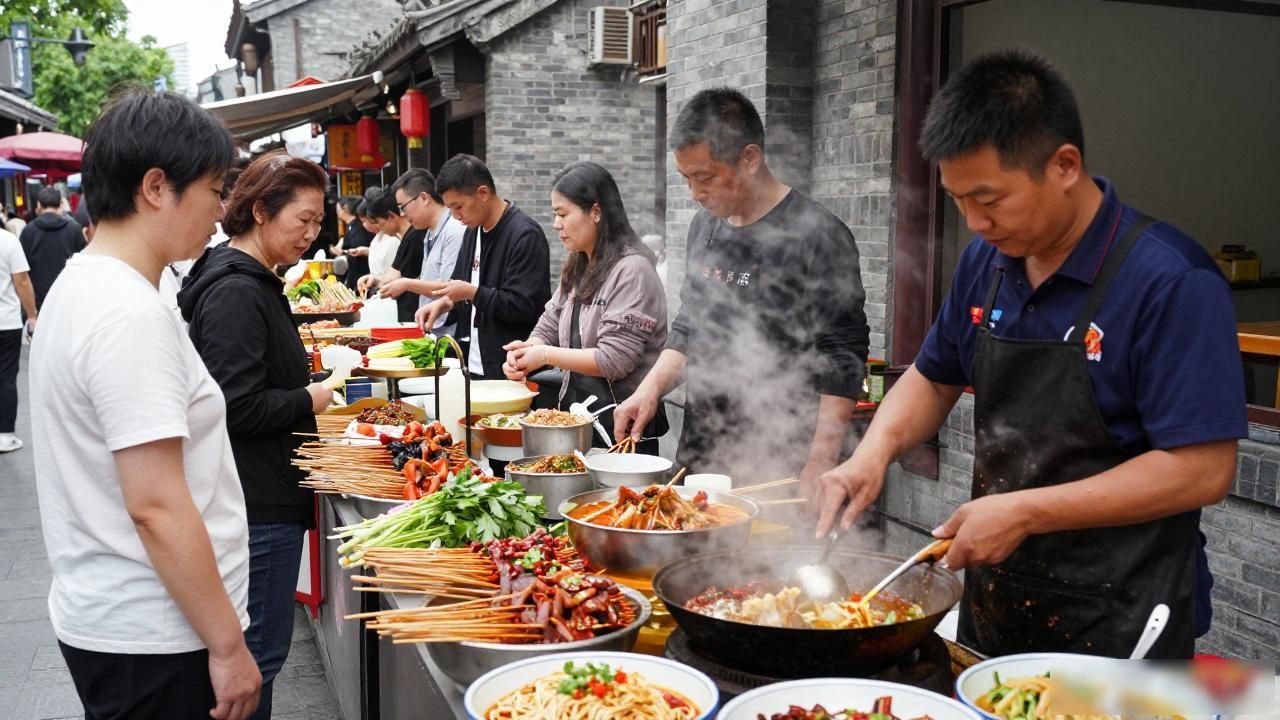
Street food stalls offer the most honest view of daily life. In cities like Chengdu or Xi’an, vendors cook right in front of you. The sizzling oil and fresh herbs create an atmosphere that no fine dining restaurant can replicate. Look for lines of locals. If people are eating standing up, the food is likely excellent. Try the spicy hot pot or the steamed buns filled with pork. These dishes are staples. They reflect the agricultural roots and the climate of the area.
Regional differences are vast. Northern China prefers wheat-based noodles and dumplings due to the colder weather. Southern regions rely heavily on rice and seafood. A traveler should not expect the same flavor profile across the entire country. Spiciness levels vary wildly. Sichuan peppercorns create a numbing sensation unique to that province. In Guangdong, dim sum emphasizes freshness and subtle sweetness. Understanding these distinctions helps you choose the right dish for your palate.
How to behave during a traditional meal?
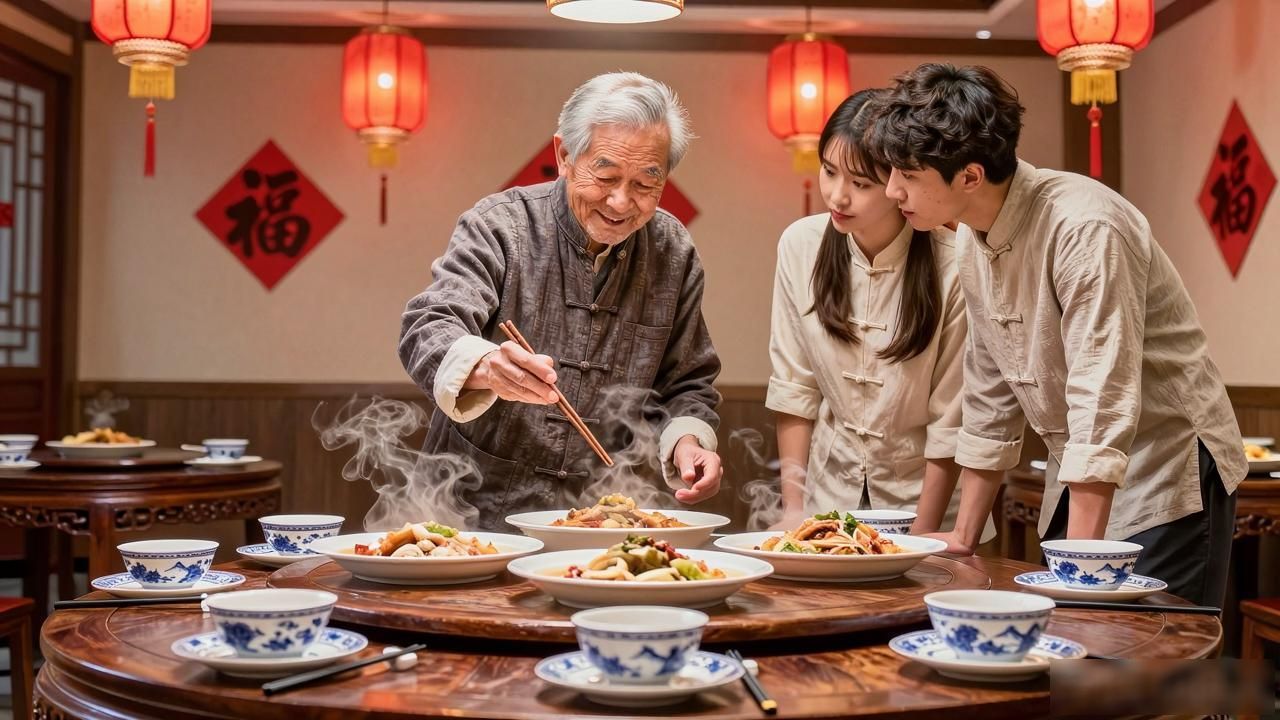
Etiquette matters more than you think. Sharing plates is the norm. It symbolizes unity and community. Wait for the eldest person at the table to start eating before you begin. This shows respect for hierarchy and age. Do not stick your chopsticks vertically into a bowl of rice. It resembles incense sticks used at funerals. This is considered bad luck. Instead, rest them on the provided holder.
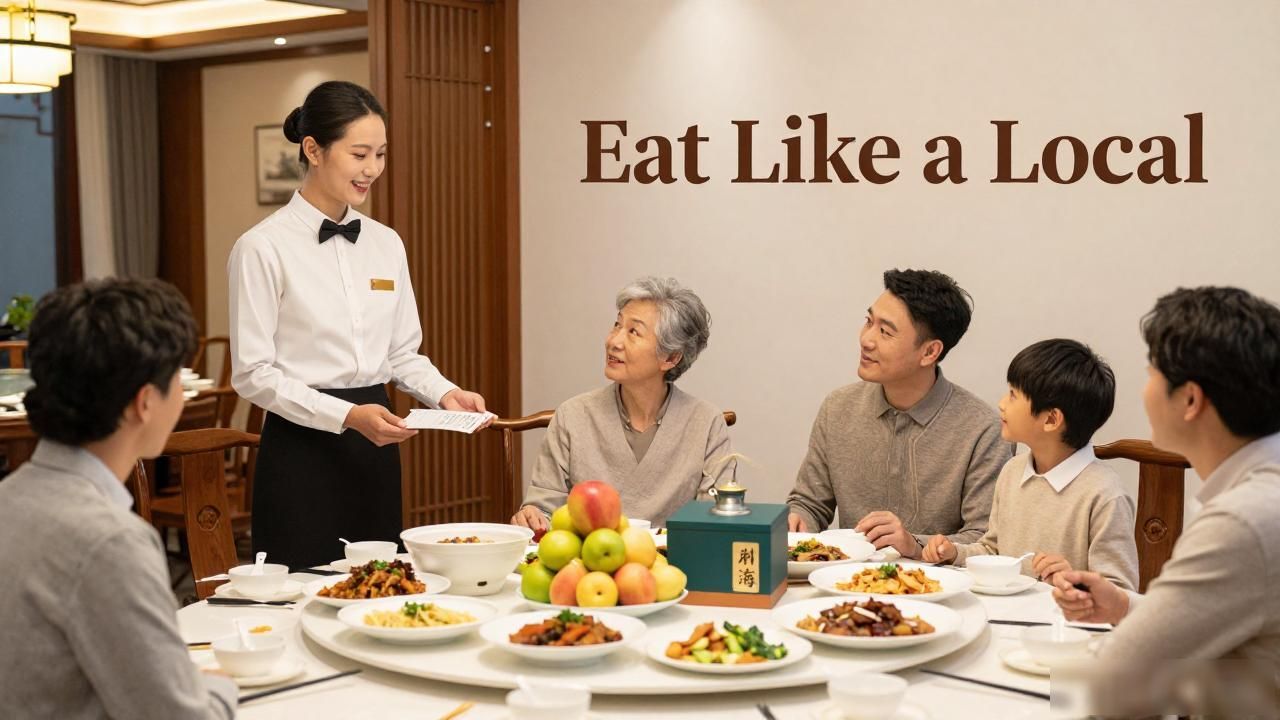
Tipping is not customary. Service charges are often included in high-end restaurants. In smaller eateries, just pay the bill. Leaving money on the table might confuse the staff. Bringing gifts is polite if invited to a private home. Fruit or tea leaves work well. Avoid clocks or sharp objects. When drinking tea, tap your fingers on the table lightly to say thank you. This small gesture is appreciated by hosts. It shows you know the basics.
Mastering these nuances transforms a simple meal into a cultural experience. You move from being an observer to a participant. The flavors linger longer when shared with understanding. Enjoy the journey.