
Imagine stepping into a place where time seems to flow differently, where ancient wooden houses cling to misty hillsides and the sound of a thousand-year-old grand choir echoes through the valleys. As a cultural travel writer who has spent the last decade exploring China’s remote ethnic communities, I can tell you that the Dong villages in China offer precisely this kind of transformative experience. Located mainly in the mountainous regions of Guizhou, Hunan and Guangxi, these settlements are not just tourist destinations but living museums of a unique civilization. Today, I want to take you beyond the typical postcard images and share what makes these villages truly remarkable for the adventurous Western traveler.
What makes a Dong drum tower unique

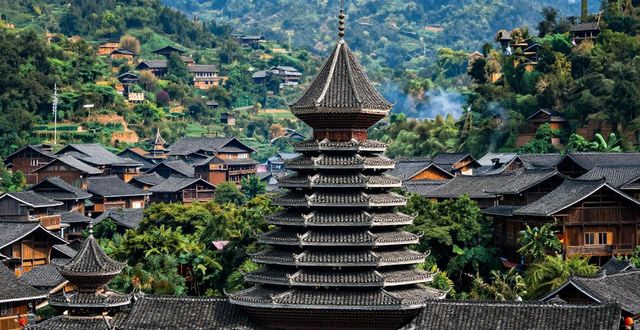
The most iconic structure you will notice immediately is the drum tower, or “gulou”, which stands at the heart of every Dong village. Unlike anything in Western architecture, these multi-tiered wooden pagodas can reach up to 30 meters in height without using a single nail. What fascinates me most is how each tower tells a story through its carved beams and upturned eaves, with the number of tiers indicating the village’s wealth and status. Historically, the tower served as a civic center where elders gathered to discuss community matters, and the large drum inside was beaten to warn of danger or call villagers for festivals. When I visited Zhaoxing Dong Village, the largest in China, the local guide explained that the tower’s shape mimics a fir tree, symbolizing the Dong people’s deep connection to nature.
Why the Dong people’s rice wine is so special
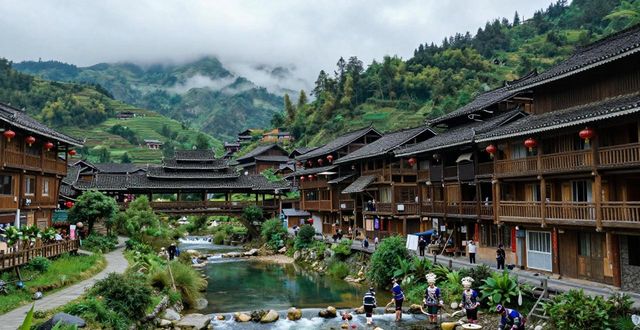
No visit to a Dong village is complete without experiencing the famous “kuanyou” or hospitality rice wine. At every festival or important occasion,you will find women in elaborate silver headdresses singing welcoming songs while holding trays of small wine cups. The ritual is surprisingly heartfelt – guests must drink to the beat of a song, and refusing is considered impolite. What makes their rice wine particularly memorable is the fermentation process using local sticky rice and mountain spring water, yielding a milky, slightly sweet flavor that ranges from 15 to 40 percent alcohol. During the “Winter Wine” festival, I watched families bury sealed clay pots underground for three years to achieve the perfect smoothness. Be warned though – this potent brew goes down easily but has a surprising kick that has humbled many experienced travelers.
How to experience Dong Grand Chorus firsthand

The UNESCO-recognized Dong Grand Chorus, or “Kam Grand Choir”, is perhaps the most hauntingly beautiful musical tradition you will ever encounter. Unlike Western harmonies that follow written scores, these polyphonic songs are passed down orally through generations, with villagers as young as five learning complex counterpoint melodies. The most extraordinary performances happen spontaneously in the drum tower after dinner, when farmers and housewives transform into virtuoso singers. I still remember sitting on a wooden bench in Huangluo Village, surrounded by misty rice paddies, as a group of elderly women began singing a lifecycle song that moved from birth to death without any rehearsal. The sound of natural harmonics blending with the mountain breeze created an otherworldly atmosphere that no concert hall could replicate. Visitors can arrange performances through local guesthouses, but the true magic happens during harvest festivals when entire villages compete in choir battles lasting until dawn.
Have you ever experienced a culture where architecture, music and hospitality blend so seamlessly into daily life, and would you brave the remote mountain roads to discover these hidden villages for yourself? Please share your thoughts or questions about Dong culture in the comments below, and don’t forget to pass this article along to fellow travelers seeking authentic experiences off China’s beaten path.
qkxofygjwoytvmxknfsehdeigidgik
A living museum of a unique civilization” is the perfect way to describe this region. The detail about the drum towers mimicking fir trees to symbolize a connection to nature shows just how thoughtful every aspect of Dong architecture is. Reading about the oral transmission of the Kam Grand Choir from age five is a powerful reminder of how vital tangible and intangible heritage are to preserving identity. Thank you for sharing such a vivid, authentic look at China’s hidden gems!