

China’s mobile payment system has become one of the most talked-about conveniences in the world. For many foreigners visiting or living in China, the ability to pay for almost anything with just a smartphone feels like stepping into the future. From street food stalls to high-end shopping malls, mobile payments like Alipay and WeChat Pay are everywhere. This article will walk through how this system works and why it has become such an integral part of daily life in China.
Why mobile payment is so widely accepted in China

The first thing most foreigners notice is how rarely people carry cash or cards in China. Even a small fruit vendor on a quiet street corner will have a bright QR code taped to their cart. The reason is simple: both Alipay and WeChat Pay invested heavily early on to make acceptance nearly universal. They partnered with small businesses, offered low transaction fees, and even gave out rewards to merchants who joined their networks. This created a snowball effect. As more businesses started accepting mobile payments, more people began using them, and soon it became the standard.
For a foreign traveler, this means you can walk around a city like Shanghai or Chengdu for an entire day without ever opening your wallet. Need to buy a bottle of water from a convenience store? Scan the QR code. Want to take a taxi or a shared bike? The payment is handled inside the app. Even utility bills, movie tickets, and hospital visits can be paid through the same system. The convenience is not just about speed; it is about removing friction from everyday tasks.
How foreigners can set up and use mobile payment easily
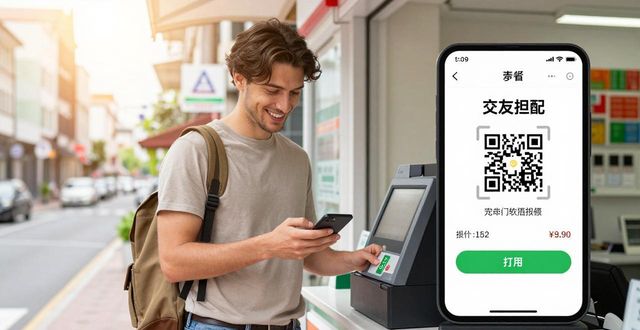
Many foreigners worry that setting up mobile payment in China will be complicated, but the process has become much smoother in recent years. Both Alipay and WeChat Pay now allow international users to link their foreign credit cards, such as Visa or Mastercard, directly to the app. You do not need a Chinese bank account anymore. After downloading the app and verifying your identity with your passport, you can start making payments within minutes.

Once set up, the experience is incredibly intuitive. To pay, you simply open the app, show your payment QR code to the merchant, or scan their code. The transaction takes seconds. Many foreigners also appreciate the built-in features like split bills, sending money to friends, and even using the app to order food or book hotels. Some platforms now include real-time currency conversion, which removes the guesswork about how much you are actually spending. With these improvements, China’s mobile payment system is no longer just for locals. It is becoming a genuine convenience for international visitors as well.
China’s mobile payment ecosystem reflects a broader shift toward cashless living. For foreigners willing to try it, the reward is a smoother,faster, and more connected travel experience. The system is designed to save time, reduce hassle, and make daily transactions feel effortless.