
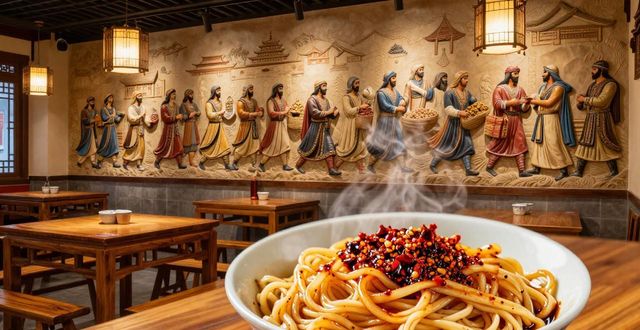
Xi’an, the ancient capital of China, is not only famous for the Terracotta Warriors but also for its rich and diverse noodle culture. From hand-pulled belts to cold rice noodles, the city offers a bowl of history and spice in every bite. In this guide, I will walk you through the most iconic Xi’an famous noodles, explaining their unique features, how they are made, and where to taste the real deal. Whether you are a spice lover or a curious traveler, these noodles will leave you craving more.
What are the most famous Xi’an noodles
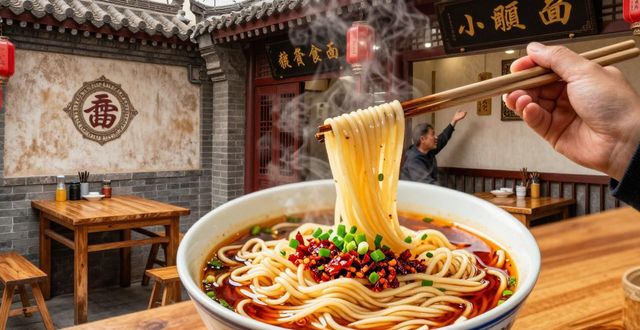
Biangbiang noodles are the undisputed star of Xi’an. These are thick, hand-ripped noodles, often called “belt noodles” because of their width. They are served with a spicy mix of chili oil, garlic, vinegar, and tender vegetables, sometimes topped with pork or beef. The name “biang” comes from the sound of the dough slapping the table during preparation. Another famous type is Lanzhou beef noodles, which have become popular all over China, but Xi’an adds its own tangy twist with black vinegar and local spices. You will also find Qishan minced noodles, a sour and spicy soup noodle from the nearby Qishan region, loaded with pork, carrot, and tofu.
Cold rice noodles, or liangpi, are a summer favorite in Xi’an. Unlike hot noodles, liangpi is served at room temperature with a generous pour of chili oil, sesame paste, and shredded cucumber. The noodles are made from wheat or rice flour and have a jelly-like texture. Then there are yangrou paomo, though not exactly a noodle dish, often eaten alongside noodles – it’s a bread soup where you crumble flatbread into a rich lamb broth. But for pure noodle lovers, biangbiang and liangpi are the top two you cannot miss.
Why are Xi’an noodles so spicy and sour

The heavy use of chili and vinegar in Xi’an noodles is no accident. Historically, Xi’an was the eastern end of the Silk Road, attracting traders from Central Asia and the Middle East. Spices like chili, cumin, and Sichuan peppercorn were introduced through this trade, and locals quickly fell in love with the heat. Vinegar, especially the dark Zhenjiang variety, became a staple to cut through the richness of meat and to add a refreshing tang. The sourness also helps balance the spice, creating a complex flavor that wakes up your taste buds without overwhelming them.
Another reason is the local climate. Xi’an has hot, dry summers and cold, damp winters. Spicy food makes you sweat, which cools you down in summer, while in winter, the heat warms your body from the inside. Vinegar is believed to aid digestion and kill bacteria, which was important before refrigeration. Over centuries, this combination became the signature taste of Shaanxi cuisine. So when you see a bowl of biangbiang noodles covered in bright red chili oil and dark vinegar, you are tasting a survival strategy turned into delicious tradition.
How to make authentic Biangbiang noodles at home
Making biangbiang noodles from scratch is a workout, but worth it. Start with high-gluten flour, water, and a pinch of salt. Knead the dough for at least 15 minutes until it becomes smooth and elastic. Then let it rest for 30 minutes covered with a damp cloth. After resting, roll the dough into a thick sheet and cut it into wide strips. The magic happens when you hold each strip and slap it against the counter, stretching it until it’s about two feet long and half an inch thick. This slapping motion creates the famous “biang” sound and gives the noodle its chewy, irregular texture.
For the sauce, heat vegetable oil in a small pan until it smokes. In a bowl, combine cooked noodles with raw minced garlic, chopped scallions, chili flakes, a splash of dark vinegar, and soy sauce. Pour the hot oil directly over the garlic and chili – you will hear a satisfying sizzle. Mix everything together, and top with blanched bok choy and braised pork if desired. The result is a simple but explosive dish. Remember, the key is not to overcook the noodles; they should be firm and chewy. Serve immediately, because these noodles do not wait.
Where to find the best Xi’an noodles in the city
In Xi’an, the best noodles are often found in small, unassuming shops rather than fancy restaurants. Head to the Muslim Quarter on Beiyuanmen Road, where you will see street vendors pulling noodles right in front of you. One legendary spot is “Biangbiang Noodle Master” at No. 26 Dapiyuan, known for its hand-ripped noodles with spicy oil and minced pork. Another favorite is “Liu’s Cold Noodles” near the Bell Tower, serving liangpi with a secret chili oil recipe passed down for three generations. Locals line up before noon,so go early.
For a more modern experience, try “Defachang Restaurant” on East Street, which has been serving traditional Shaanxi food since 1936. Their biangbiang noodles are slightly refined but still authentic. If you want to taste Qishan minced noodles, take a short trip to “Qishan Noodle House” near the South Gate. They offer a free refill on noodles and broth – a common practice in Xi’an. Do not be shy about asking for extra chili oil or vinegar; every table has these condiments for a reason. Just point at what others are eating, and you will be fine.
Are Xi’an noodles healthy or high in calories
It depends on the type and portion size. A typical bowl of biangbiang noodles contains about 600 to 800 calories, mostly from carbohydrates and oil. The wide noodles are made of refined white flour, which has a high glycemic index. However, the dish also includes vegetables like greens, bean sprouts, and carrots, providing some fiber and vitamins. The chili oil adds fat, but it is mostly unsaturated if made with vegetable oil. The protein comes from the small amount of meat or egg, so it is not a high-protein meal on its own.
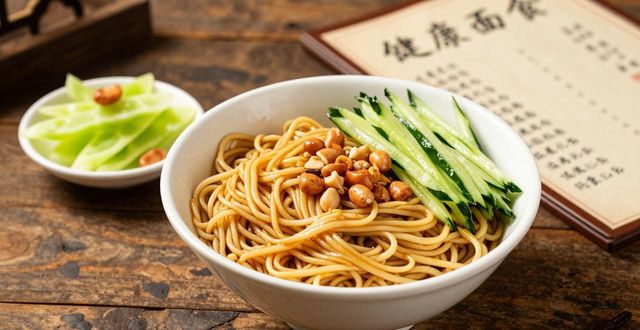
To make Xi’an noodles healthier, you can ask for less oil and more vegetables. Some shops offer whole wheat or mixed grain noodles. Cold liangpi is often lighter because it uses less oil and includes cucumber and gluten puffs. Also, controlling the portion size is key – many local bowls are huge. Share a bowl or order a small size. The vinegar in the sauce may help regulate blood sugar spikes, according to some studies. Overall, enjoying Xi’an noodles occasionally as part of a balanced diet is fine. But if you eat them every day without exercise, the calories will add up.
What to drink with Xi’an famous noodles
The strong flavors of Xi’an noodles need a drink that can cut through the spice and refresh your palate. The most traditional choice is a cold bottle of iced sour plum drink, or suanmeitang. This dark, sweet-tart beverage is made from smoked plums, hawthorn, and licorice. It soothes the burning sensation from chili oil and cleanses your tongue between bites. You will find it in every noodle shop, often homemade. Another local favorite is jinghua, a fermented rice drink that is slightly sweet and effervescent – like a non-alcoholic sake. It complements the vinegar notes in the noodles beautifully.
If you prefer something alcoholic, try a local Xi’an beer like Hans Beer or a crisp Tsingtao. The carbonation helps wash down the greasiness. For non-carbonated options, warm soy milk is surprisingly good with spicy noodles, as the protein coats your mouth and reduces heat. Avoid sugary sodas; they tend to amplify the spice. And never drink ice water immediately after a very spicy bite – it spreads the capsaicin around your mouth and makes it worse. Instead, take small sips of the sour plum drink. Now I am curious: after reading this, which Xi’an noodle dish would you try first, and what would you pair with it? Share your thoughts in the comments below, and do not forget to like and share this guide with fellow noodle lovers.
好吃啊