
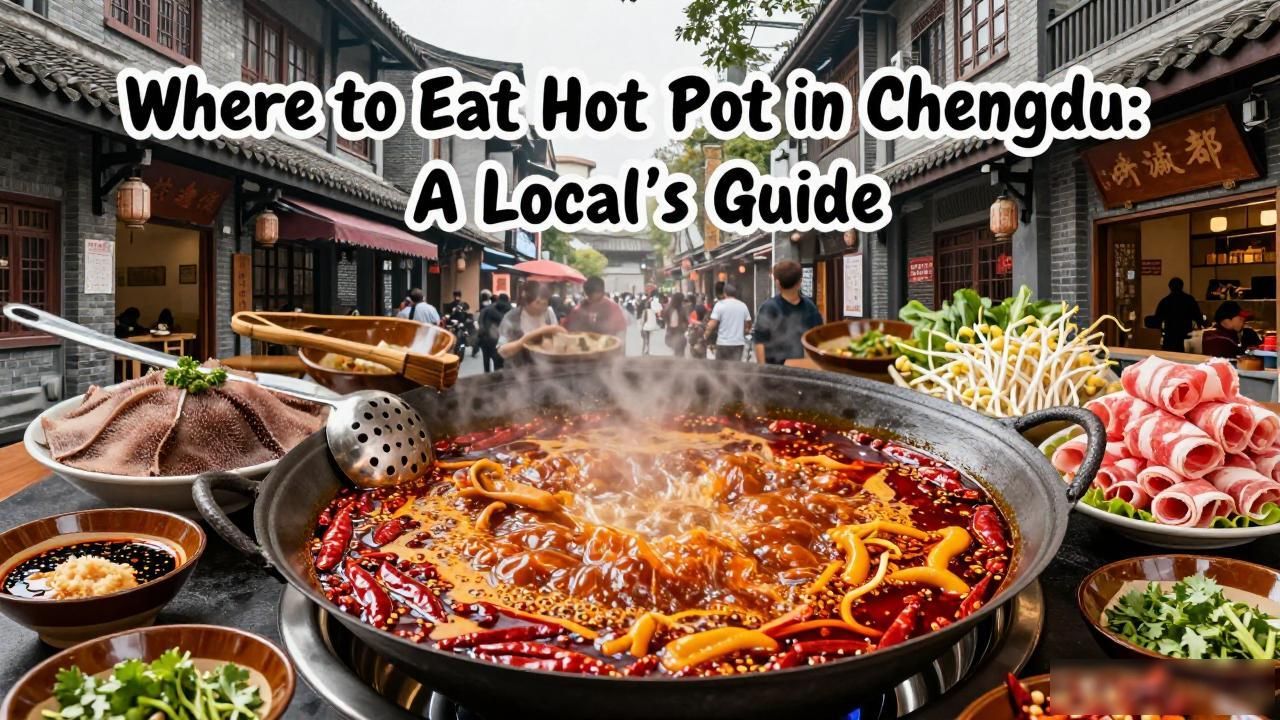
If you’ve ever wondered why Chengdu is called China’s hot pot capital, visiting this city will make it clear. This place has been serving up spicy, soul-warming pots for generations, and finding the right one shouldn’t feel like a gamble. I’ve eaten at more hot pot restaurants here than I care to count, from hidden alleyway joints to well-known chains that locals actually stand in line for. Here’s what I know about where to go and what to expect.
What Makes Chengdu Hot Pot Different
Chengdu hot pot isn’t the same as Chongqing hot pot, even though they’re neighbors. The Sichuan style tends to be a bit milder on the spice level, with more layers of flavor building up slowly rather than hitting you all at once. You’ll notice that instead of pure chili oil flooding the pot, there’s a balance of numbing Sichuan peppercorns, dried chilies, garlic, ginger, and a whole bunch of other spices that create a complex aromatic broth. The key difference is that Chengdu versions often include mushrooms, dried tofu, and other vegetables in the base itself, giving the soup a richer umami backbone that you don’t get elsewhere.

Most good hot pot places in Chengdu offer both spicy and non-spicy options,but honestly, if you can handle a little heat, the spicy pot is where the magic happens. Don’t be afraid to ask for the spice level when you order. A lot of tourists go for “mild” and end up disappointed because mild here still has substance. Tell the staff your tolerance and they’ll usually find the right balance.
Best Hot Pot Spots to Try
Jinli Ancient Street area has a cluster of hot pot restaurants that have been around for decades, and while some are tourist traps, a few genuine standouts deserve your time. Shu Daxia Hot Pot is a local favorite that started as a small family operation and now has several locations. The broth is rich and deeply spiced without being overwhelmingly hot, and their beef selection is exceptional. Try the snowflake beef and the tripe — both are signature items here.
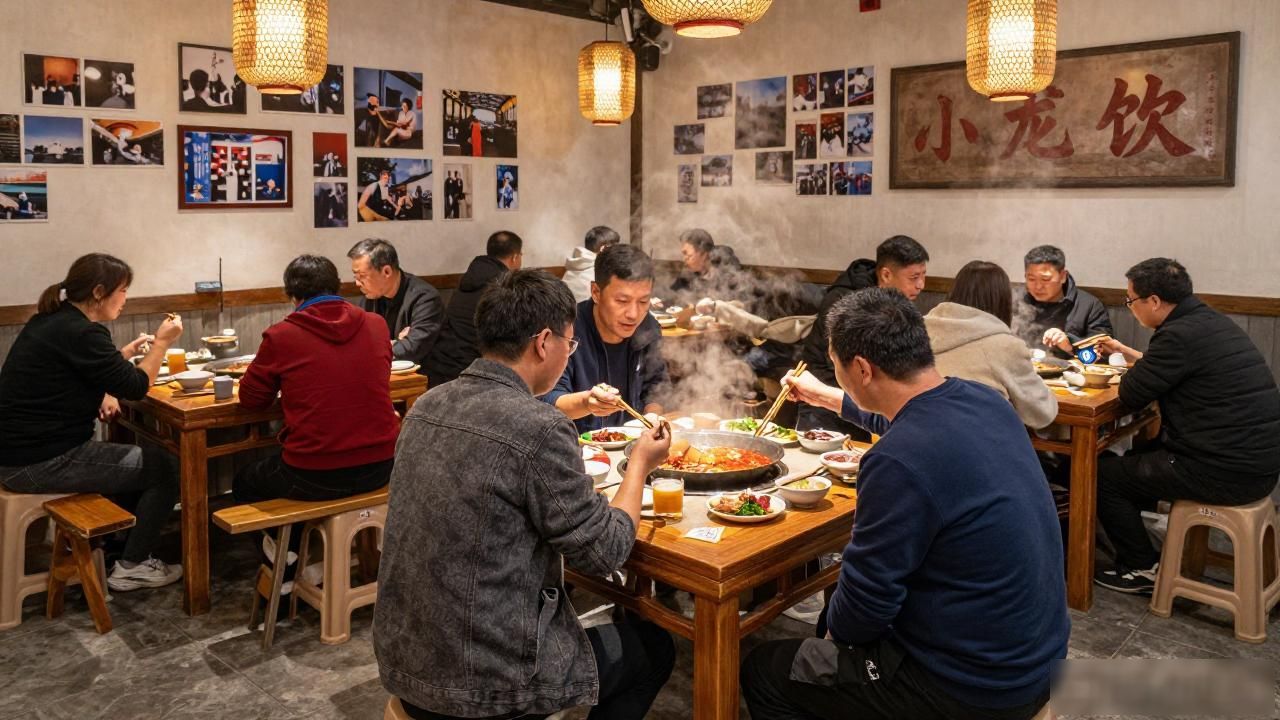
For something more casual and affordable, head to the Kuanzhai Alley district where Xiaolongkan Hot Pot has been a neighborhood institution. This is the kind of place where you’ll sit on low plastic stools, cook your own food, and watch the steam rise from a bubbling pot of red oil. The prices are incredibly reasonable, and the atmosphere feels authentically local. Their duck blood and intestines are must-tries if you’re adventurous.
If you want a higher-end experience, Mao Xue Wang near Taikoo Li delivers polished service with serious flavor. The decor is modern, the waiters know their stuff, and the broth quality is consistently excellent. It’s pricier but worth it for a special night out. Their lamb plates are beautifully marbled, and they have an extensive vegetable selection that you won’t find at cheaper spots.
Tips for First-Timers
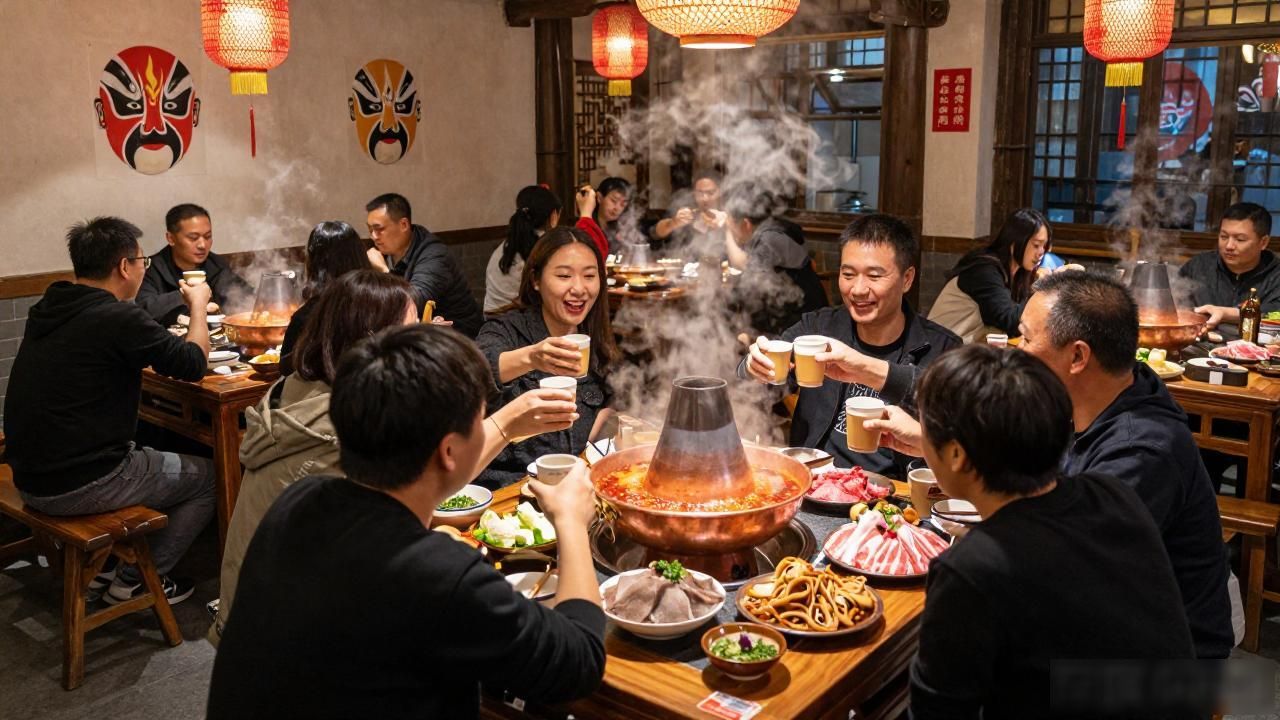
When you sit down, the pot will arrive raw and uncooked. You’ll need to add your ingredients yourself, starting with the things that take longer like root vegetables and tougher cuts of meat. The cooking times are usually posted on the table or the menu — pay attention, because overcooked beef disappears into rubber almost instantly. Most places let you refills on the broth if it gets too spicy or thick, which is a lifesaver.
Don’t skip the dipping sauces. The standard sesame paste and minced garlic combo works well, but try mixing in a little oyster sauce and a dash of the house chili oil for depth. Water or soy milk helps if the spice starts overwhelming you — beer makes it worse. And whatever you do, don’t rush. This meal is meant to take two hours minimum, maybe more. That’s the Chengdu way.