
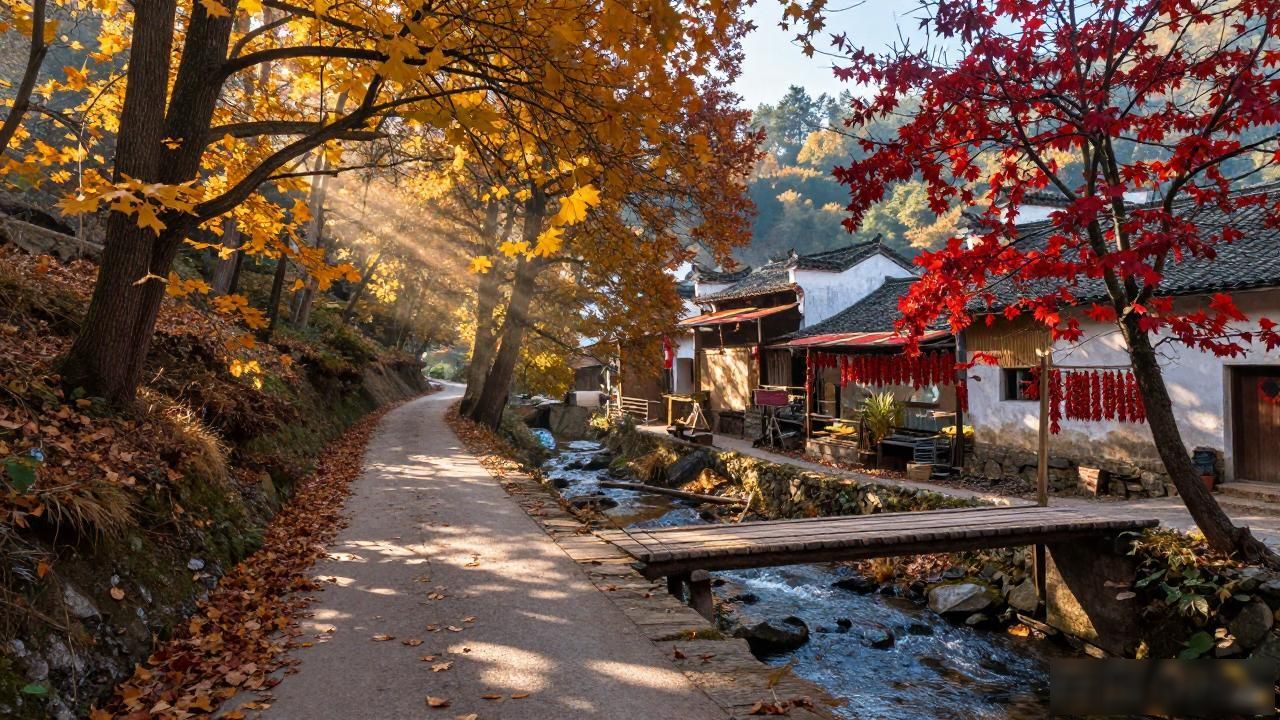
Autumn in China is rarely just about red maples. It is a slow burn across provinces, a shift in light, a whisper in high valleys. Most visitors chase the same postcard routes. They miss the places where colors deepen without cameras flashing. The real magic lives where roads end and silence begins. The climate changes quickly at altitude, and frost arrives early in northern ranges. Travelers who ignore the guidebook paths discover something far more honest.
Where to find autumn foliage China hidden spots
Nyingchi changes everything you think you know about Tibetan color. High altitude meets low river valleys, and the result is a palette most travelers never witness. Buttercup groves glow gold along the Yarlung Tsangpo bend. Rhododendron branches turn violet and deep crimson before the snow arrives. Prayer flags snap in the wind, framing peaks that stay white year round.

Most people fly to Lhasa and assume the work is done. They do not take the slow road east. That road climbs through oak forest, crosses wooden bridges, and drops into villages where locals dry chili peppers on rooftops. The air grows thinner, but the light stays soft. You can walk for hours without meeting another traveler. The river itself looks like liquid copper when the sun dips low.
Accommodation is simple. Guesthouses run on generators after dusk. Electricity flickers. Hot water is precious. These conditions do not ruin the experience. They strip away noise. You learn to move slower, listen louder, and respect the thin boundary between human life and wild terrain. The foliage here does not perform. It simply exists.
How to explore autumn foliage China remote areas
Southern Anhui hides its best secrets behind fog and old stone steps. I remember a morning in a village most guidebooks skip. Camphor trees stood like giants along a single dirt path. Their leaves fell in slow spirals, covering the ground in rust and amber. White walls turned gray with humidity. Black tiled roofs wept dew. Everything felt suspended in time.
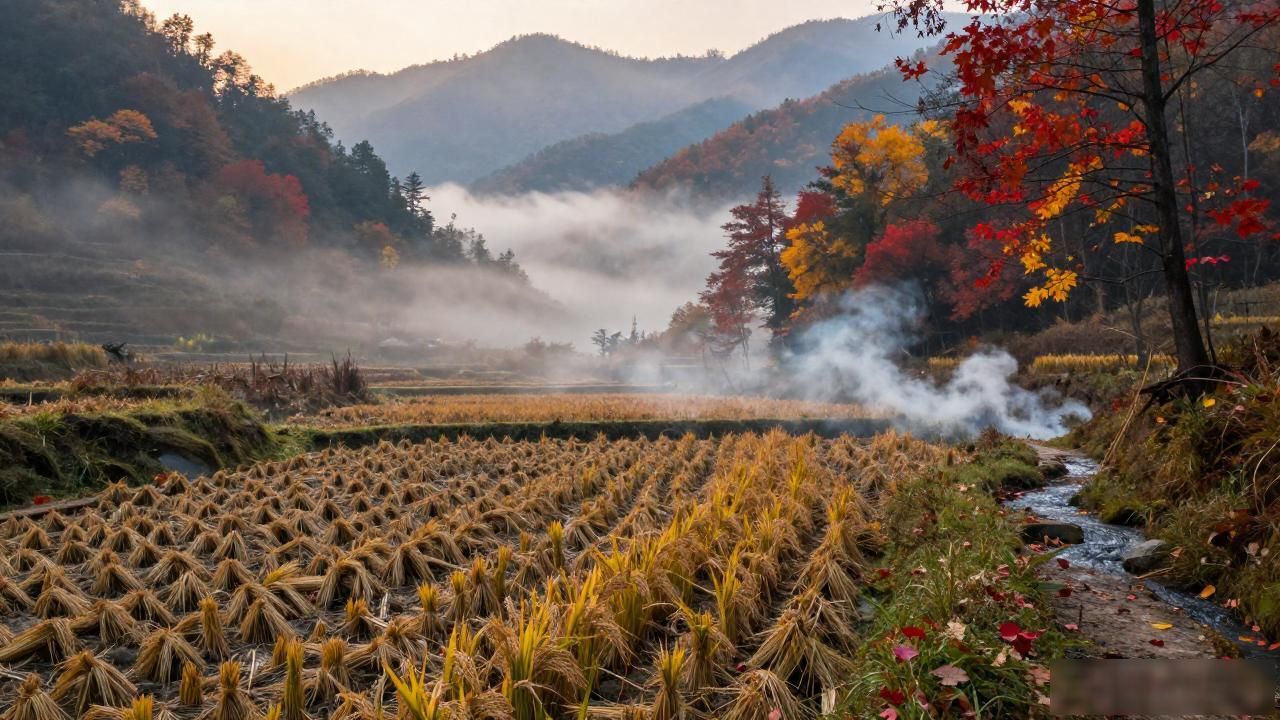
Travelers often mistake proximity for access. The famous lakes and parks fill up by ten in the morning. Remote valleys stay empty until afternoon, if at all. Local farmers still burn straw in fields. Smoke drifts low over rice paddies that have been harvested. The smell is earthy, sharp, nostalgic. You do not need a permit to wander these lanes. You only need to ask directions in broken Mandarin.
I spent three days walking between hamlets, photographing light through maple branches, sitting on stone benches made by hands long gone. No entrance fees. No queues. Just people who stopped working to watch a foreigner sketch a pagoda. Some landscapes reveal themselves only when you refuse to hurry. The colors here are muted, almost painterly, and they stay with you long after the trip ends.
Why autumn foliage China secret valleys matter
Xinjiang offers a different kind of fall. The Taiga pushes south near the Altay range, and larch trees turn brilliant yellow before winter claims them. Rivers cut through valleys like silver needles. Mountains wear early snow while the forest floor glows. This is not subtle. It is dramatic, raw, almost brutal in its beauty.
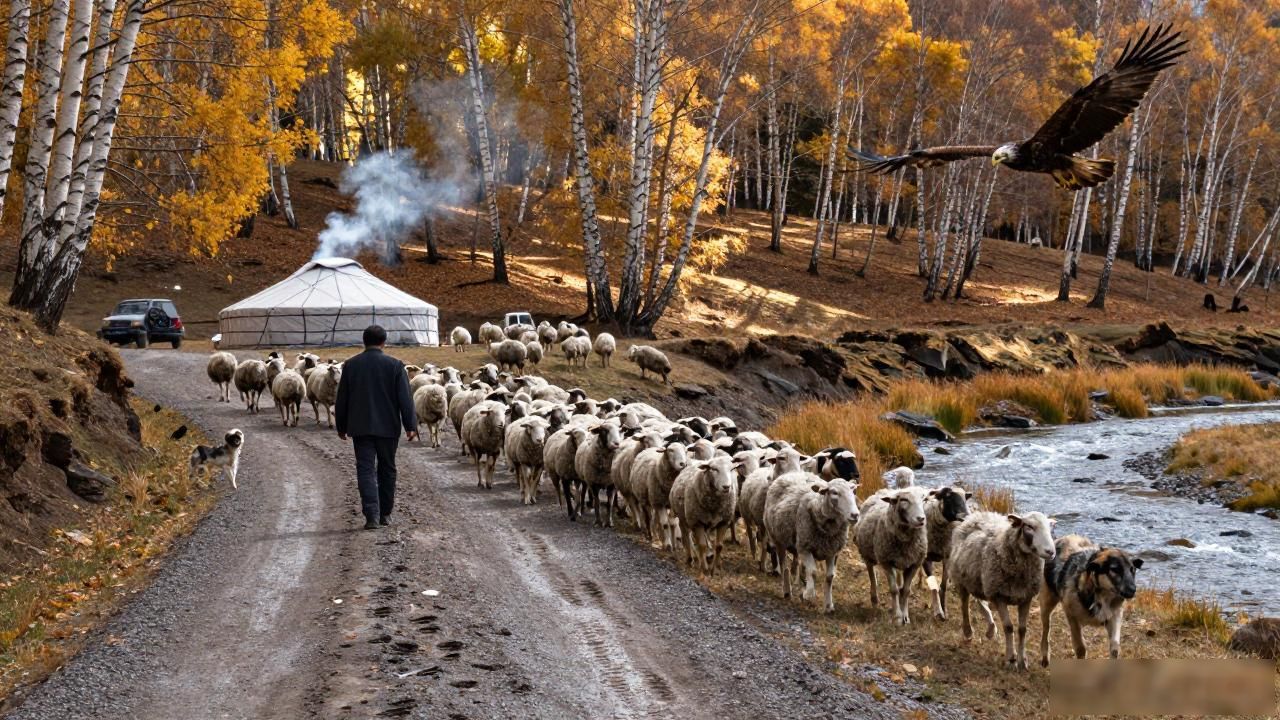
Kazakh herders move their flocks downhill as temperatures drop. Yurts appear near birch stands, smoke rising in straight columns. Dogs bark at passing vehicles. The road is gravel, sometimes washed out, always worth it. You will see wolves tracks near riverbanks. You will hear eagles circle overhead. Nature here does not negotiate. It simply dominates.
Most itineraries skip this region because it requires patience and a reliable vehicle. That is exactly why it remains untouched. The silence between tree lines feels sacred. Autumn arrives early, lasts briefly, and vanishes without warning. When you stand in those forests, you understand why photographers return year after year. You are not watching a show. You are witnessing a cycle that predates borders.
China’s autumn does not announce itself. It waits for those willing to step off the marked path. Hidden spots reward curiosity with colors that feel earned. Plan for variable weather. Pack layers. Leave room for detours. The best foliage moments happen when you stop chasing perfect shots and start noticing how light touches ordinary things. Those moments become memories that outlast any album.