
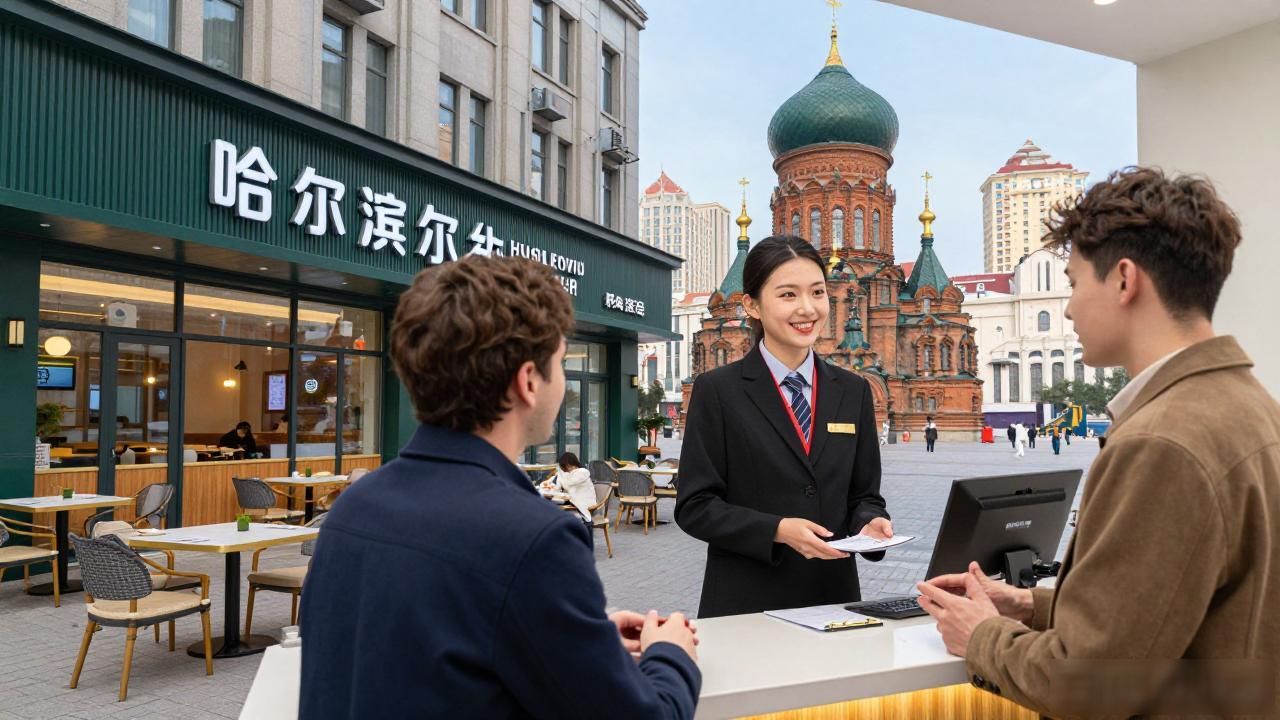
If you’re planning a trip to Harbin, choosing the right place to stay can make or break your experience. This city, known for its icy winters and unique Russian-Chinese culture, offers a range of accommodation options that suit different travel styles and budgets. Below is a straightforward guide to help you find the best Harbin travel accommodation without the usual guesswork.
Why Visit Harbin
Harbin stands out as one of China’s most distinctive cities, earning the nickname “the Paris of the East” during its early twentieth-century boom. The reason travelers keep coming back has everything to do with climate, history, and architecture. During winter, the Ice and Snow Festival transforms the entire downtown into a massive open-air museum of frozen sculptures, attracting visitors from every corner of the globe.
The city’s layout tells the story of its past. Former Soviet-era buildings line the streets along Central Avenue, while Orthodox churches peek through the snow every December. Travelers who spend just three or four days here often return the following year because the atmosphere feels fundamentally different from any other Chinese city.

For many international visitors, Harbin represents an accessible entry point into northeastern China. You do not need fluent Mandarin to navigate the hotels, restaurants,and attractions. English signage has improved steadily, and younger hotel staff tend to speak reasonably well. The tourism infrastructure exists precisely because the city has been receiving foreign visitors for decades.
Where to Stay in Harbin
Most travelers choose to stay near the Songhua River or along Central Avenue, simply because those areas put the main sights within walking distance. The Zhongyang Hotel and the older four-star properties offer rooms that combine Soviet-era grandeur with modern amenities, making them popular choices for first-time visitors who want something memorable.
If you prefer something more budget-friendly, guesthouses and mid-range hotels cluster around Harbin Railway Station. These options cost roughly forty to eighty dollars per night during peak season, and they provide reliable heating, clean bathrooms, and easy access to the metro. Local families who run small hotels in the Daoli district often charge even less, but expect more basic facilities.
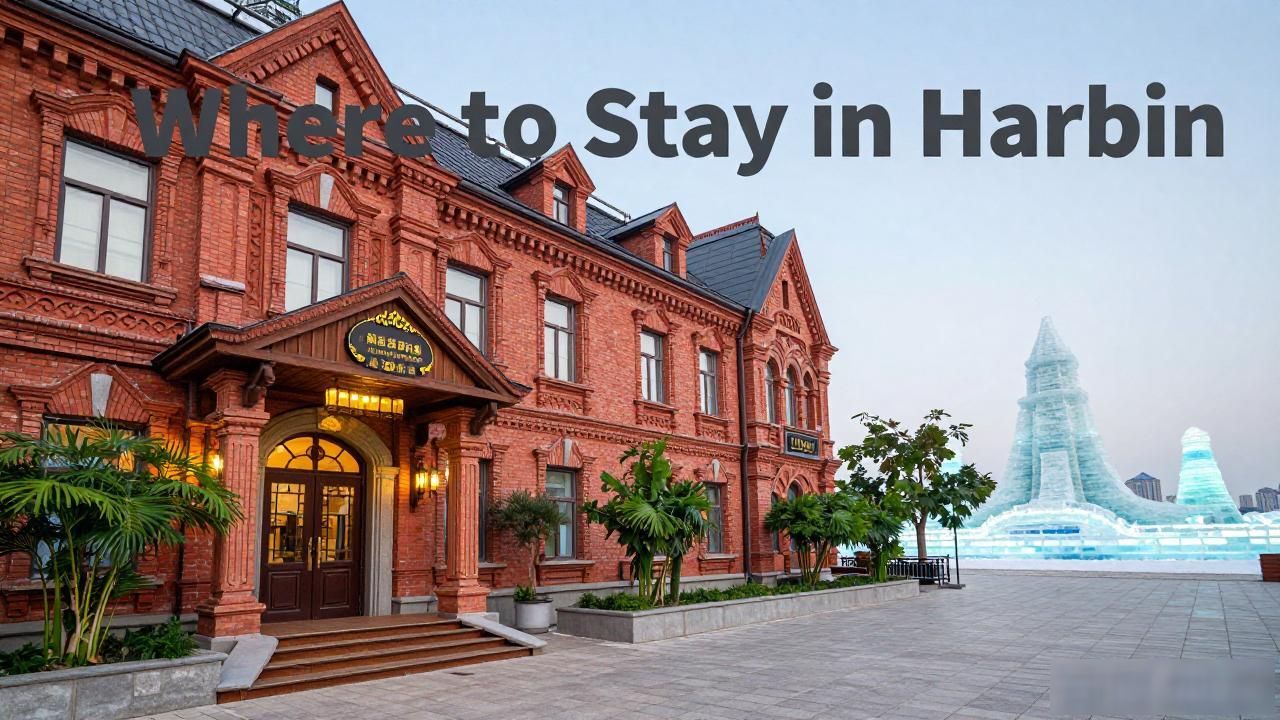
Luxury travelers typically book rooms at the Shangri-La or Westin, both of which sit just minutes from the ice sculptures. Prices range from one hundred fifty to three hundred dollars, and the views over the frozen river justify the expense for many couples celebrating anniversaries or special occasions. Remember that heating costs significantly more in January than in summer, so factor that into your nightly budget.
Book early if you visit during the Ice Festival, since rooms fill up weeks in advance and prices triple during that period. Foreigners who show up unprepared often end up staying in business districts far from the attractions, which defeats the purpose of the trip entirely.
Best Areas to Stay in
The Daoli district remains the most practical area for first-time visitors, offering a mix of hotels, restaurants, and nightlife within a compact footprint. You can walk to Central Avenue in ten minutes, catch a taxi to theIce and Snow Scupture Park in fifteen, and find affordable dumpling shops on almost every corner.
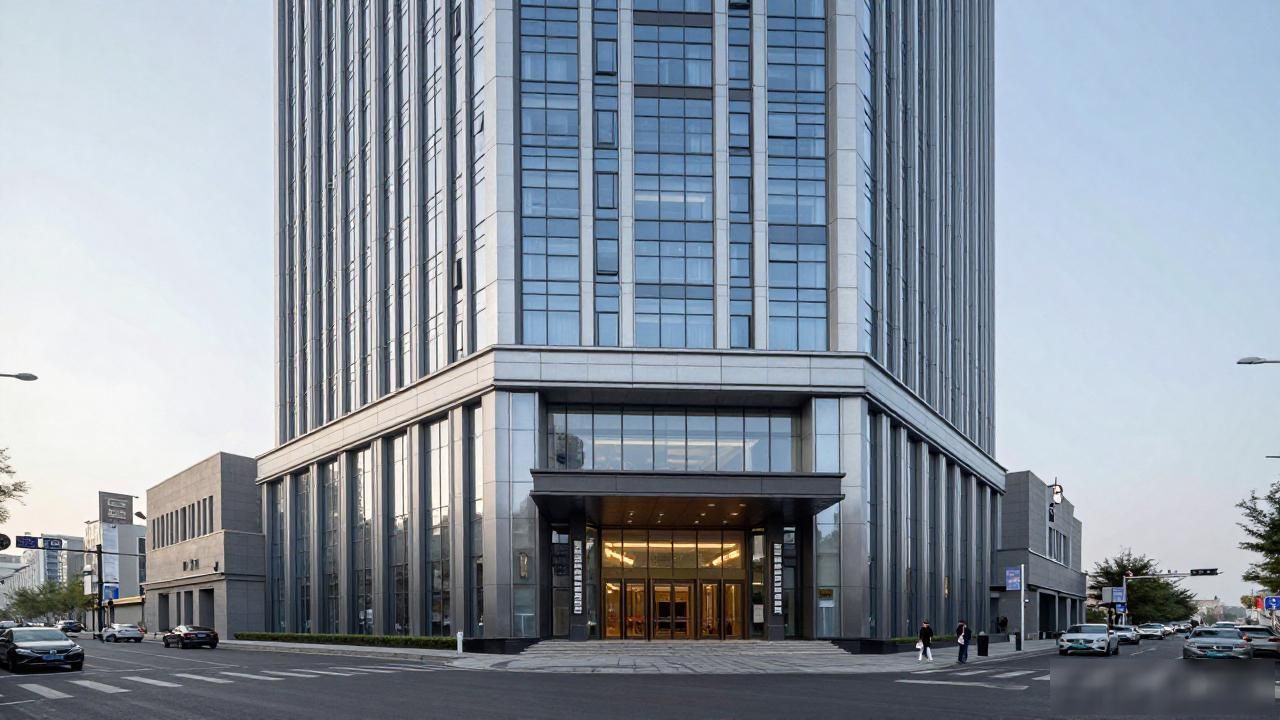
South of the river lies the Nangang district, where newer five-star properties have opened in the last five years. These hotels attract business travelers and families who prefer quieter surroundings, though you will need taxis or metro rides to reach the main tourist sites. The trade-off between comfort and convenience matters more here than anywhere else in the city.
Staying near Harbin West Station makes sense only if you plan day trips to nearby towns like Yabuli for skiing. Most travelers skip this area because the station is still under construction and the neighborhood lacks the charm of downtown. If you end up there anyway, choose a hotel with a shuttle service to avoid feeling stranded during heavy snowfall.
The city experiences temperatures below twenty degrees Celsius regularly between November and February, so prioritize hotels with reliable heating and double-glazed windows over aesthetics. Visitors who chase Instagram-worthy interiors often regret it when their rooms leak cold air through poorly sealed frames.
Harbin rewards travelers who plan their accommodation strategically. The best deals go to people who book three months ahead, choose central locations, and understand that practical comfort matters more than trendy design. Whether you spend two nights or two weeks, getting your base right ensures the rest of the trip unfolds smoothly.