
I fell in love with China‘s public transportation during my first trip. What once felt intimidating quickly became my favorite way to experience this enormous country. The system is far more advanced than most foreigners expect, and it opens doors to places you would never reach otherwise. Let me share what I’ve learned along the way.
What Makes China’s Public Transit So Impressive
China has built the world’s largest high-speed rail network, stretching over 40,000 kilometers at this point. I remember sitting on a bullet train between Shanghai and Hangzhou, reaching speeds of 350 kilometers per hour. The smoothness of the ride surprised me completely. You could balance a coin on the edge of a table without it toppling over. Major cities boast extensive metro systems that are clean, efficient,and remarkably affordable. Beijing’s underground network alone covers hundreds of kilometers and connects every corner of the city.

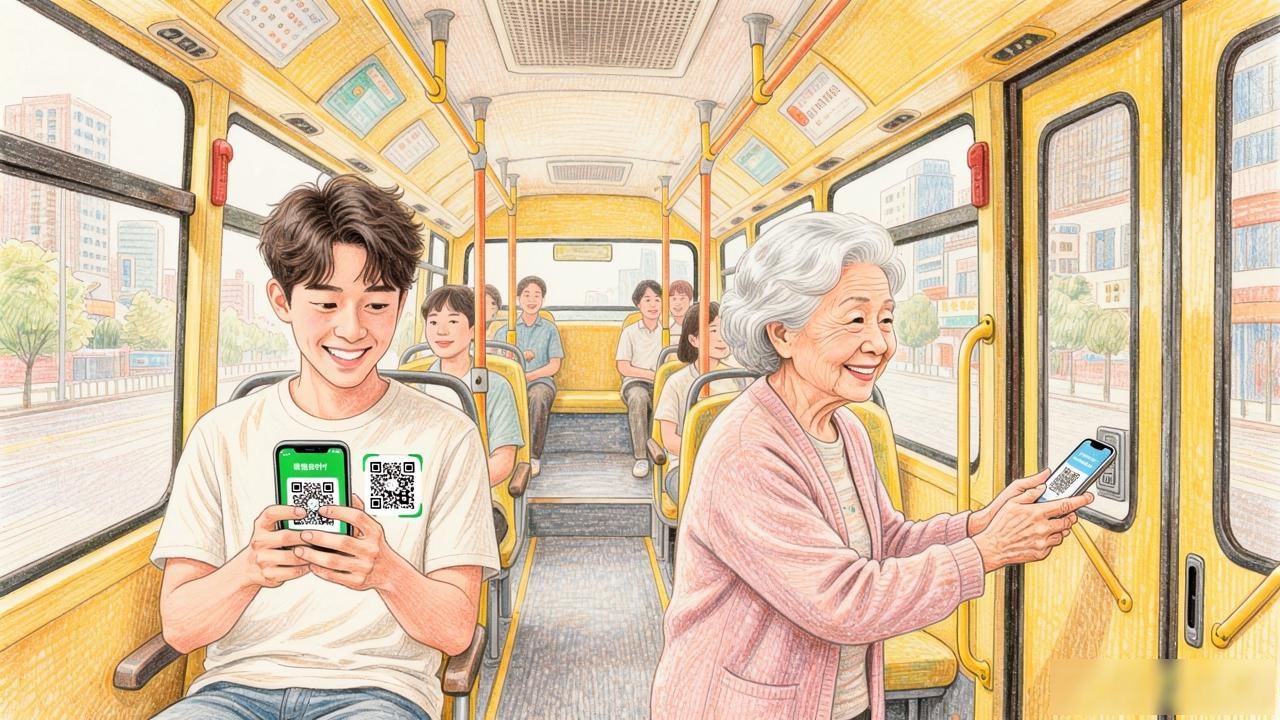
Mobile payments have completely transformed how people use public transit here. You no longer need to hunt for paper tickets or stand in line at a counter. Just open WeChat or Alipay, scan a QR code, and you are on your way. This level of convenience feels almost effortless. Even elderly people in rural towns have adapted to this system with surprising ease. The integration of technology into everyday transit feels like something straight out of a science fiction novel, yet it is simply ordinary life now.
Practical Tips for Foreign Travelers
Getting around becomes much easier once you download a few essential apps. Amap and Baidu Maps work remarkably well for navigating both buses and metro lines. They display real-time information including arrival times, platform numbers, and transfer routes. I keep these apps ready before stepping out each morning. Having them installed saved me from countless moments of confusion at busy stations.
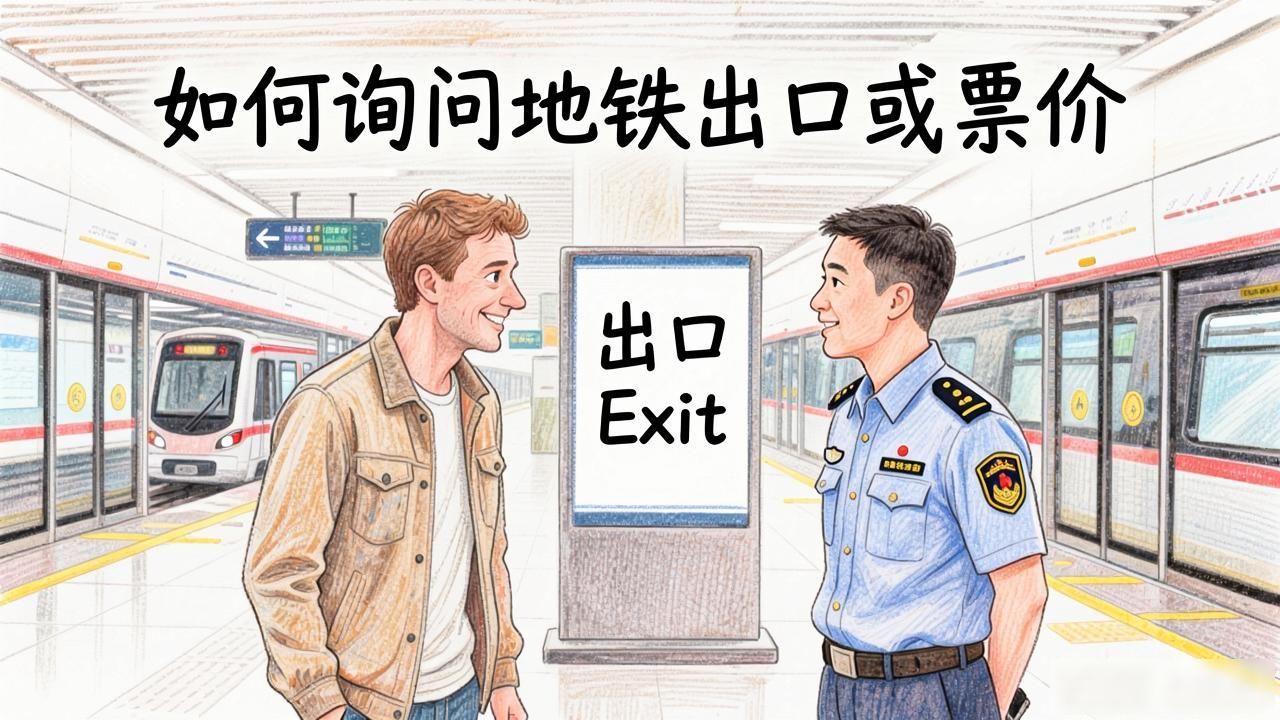
Most metro stations display signs in both Chinese and English, which helps tremendously. Still, learning a handful of basic phrases goes a long way. Simple expressions like asking where a particular exit leads or how much a ticket costs can prevent awkward situations. Station staff are generally patient with foreigners who struggle with the language. I once spent five minutes pointing at a map while trying to figure out which line led to my hotel. A kind stranger eventually walked me to the correct platform herself.
Why You Should Embrace It
Using public transportation in China is not merely a practical necessity but a genuine cultural experience. You watch millions of people moving through bustling stations, sharing stories, reading books, or scrolling through their phones. These moments offer authentic glimpses into daily life that guidebooks will never capture. Riding a crowded bus through the narrow alleys of Chengdu or watching the sunrise from a high-speed train window between cities creates memories that stay with you long after the trip ends.
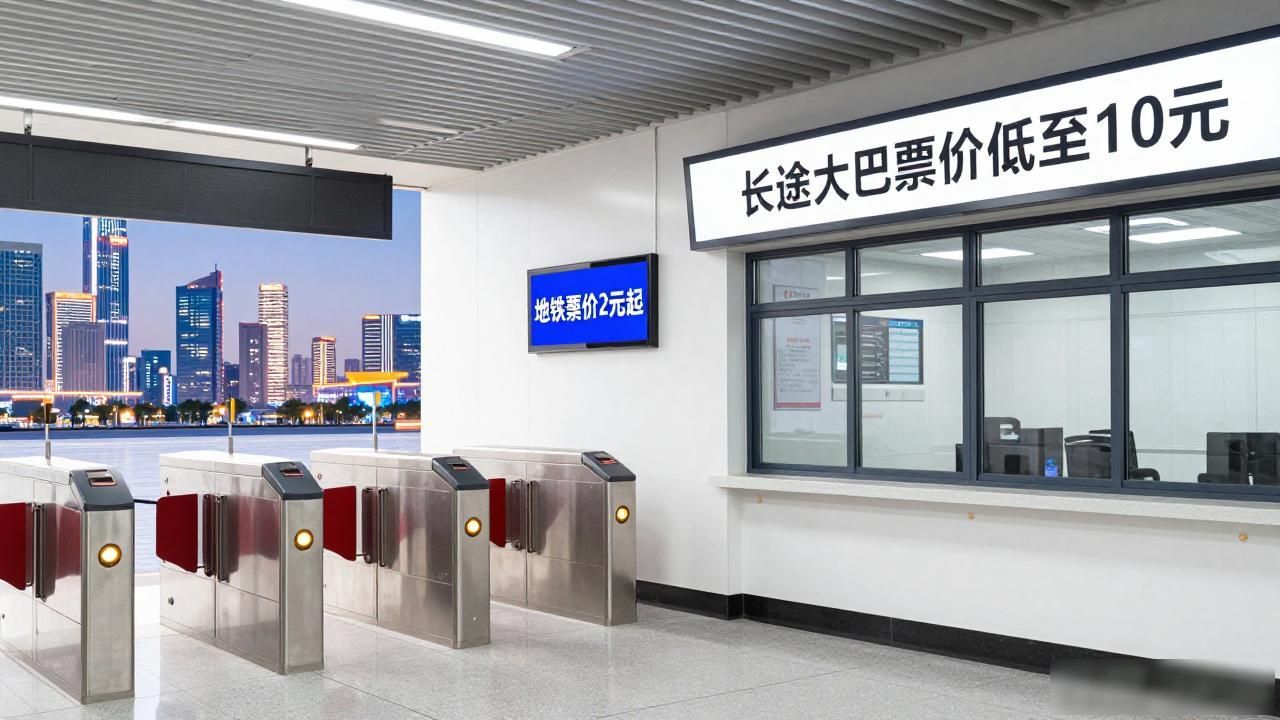
The affordability of the system also deserves attention. A metro ride across an entire city often costs less than a dollar. Long-distance buses and regional trains remain incredibly cheap compared to Western standards. This accessibility means you can explore areas far beyond typical tourist destinations without burning through your budget. I once spent an entire weekend hopping between three small cities using only regional trains and local buses. The cost was barely enough to cover two meals at a restaurant.
China’s public transportation system represents one of the most impressive infrastructural achievements in modern history. It connects vast distances, supports hundreds of millions of daily commuters, and continues expanding at a remarkable pace. For visitors willing to step outside their comfort zone, it offers an unparalleled window into the rhythm and soul of Chinese life. Once you master the basics, you will likely find yourself choosing the metro over taxis almost every time.