
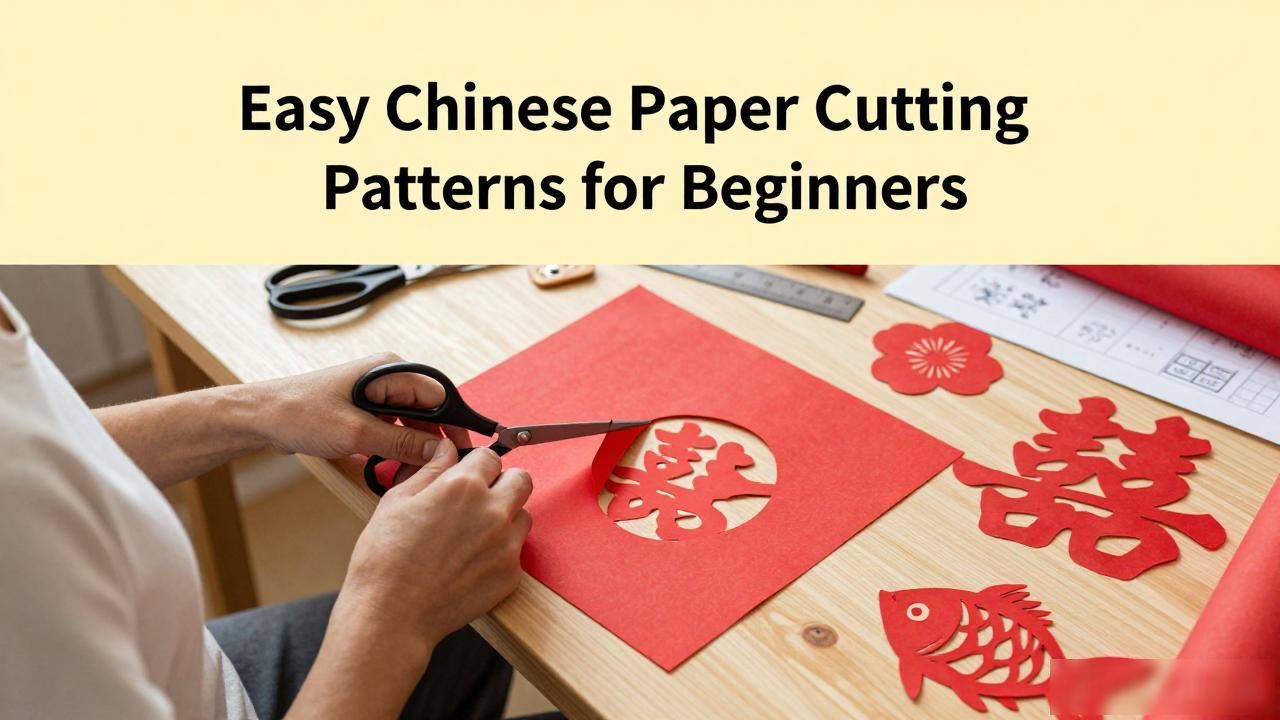
Chinese paper cutting, or jianzhi, is one of the oldest folk arts in China. It involves cutting paper into intricate designs, often used for window decorations during festivals like the Spring Festival or weddings. For beginners, the patterns can seem complex, but they are actually built from simple, repeatable shapes. Understanding the basic motifs—like flowers, animals, and Chinese characters—helps you appreciate the art without feeling overwhelmed.
What are the most common Chinese paper cutting patterns for beginners

If you are just starting out,focus on patterns that use symmetry. Fold a piece of paper in half, draw half a design, and cut it out. The most beginner-friendly patterns include the double happiness character, simple plum blossoms, and fish shapes. The double happiness symbol is especially popular for weddings and is easy to master because it relies on straight lines and gentle curves. Plum blossoms have five petals, and you can create them by folding the paper five times before cutting. Fish patterns, which symbolize abundance, are also forgiving because the shape is smooth and rounded. These patterns teach you control over scissors or a craft knife without demanding precision in tiny details.
How to choose the right paper and tools for cutting patterns
The type of paper you use makes a big difference. Traditional Chinese paper cutting uses red rice paper, which is thin and slightly translucent. For practice, you can use any thin craft paper, but avoid thick cardstock because it is hard to cut cleanly. The best tool for beginners is a pair of sharp, small scissors with pointed tips. Some people prefer a craft knife with a fresh blade, especially for cutting out small interior details. A self-healing cutting mat is helpful to protect your work surface. Keep in mind that the paper should be easy to fold without cracking. If you press too hard, the paper might tear, so work gently and let the blade or scissors do the work.
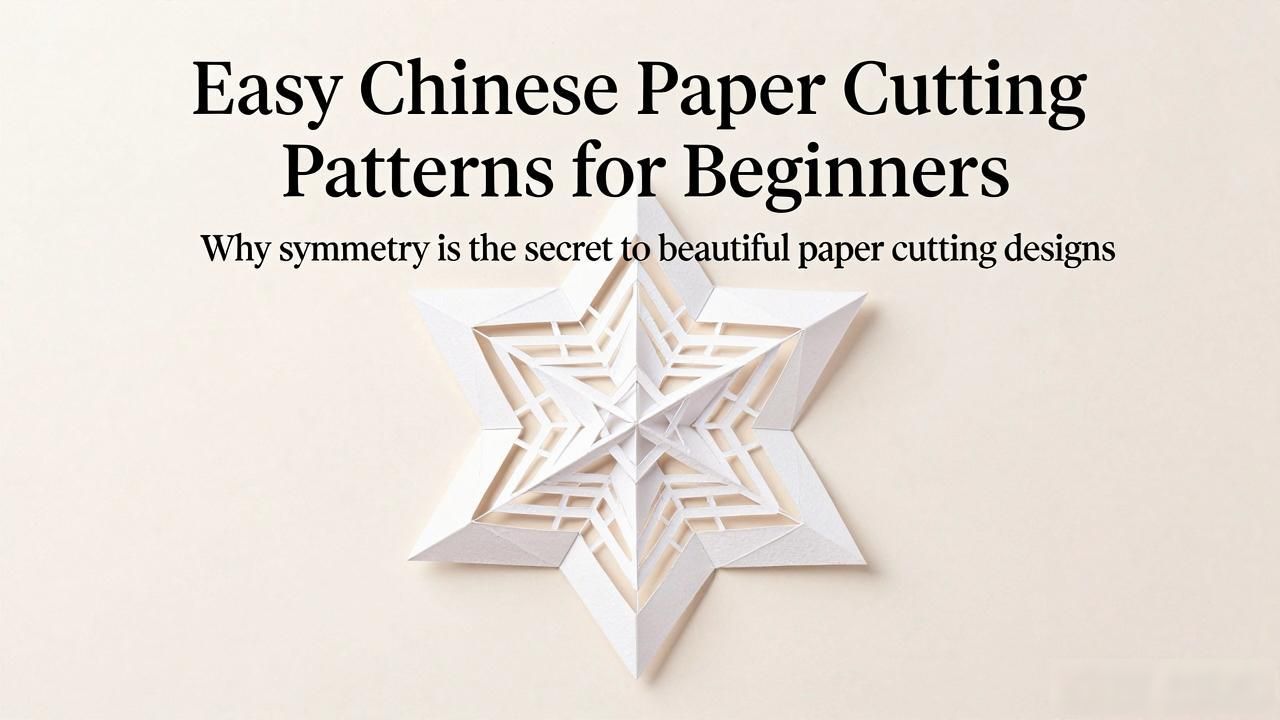
Why symmetry is the secret to beautiful paper cutting designs
Symmetry is the backbone of most traditional Chinese paper cutting patterns. When you fold the paper, you only need to draw half the design, and the full pattern appears when you unfold it. This technique makes the design look balanced and professional, even if your drawing skills are basic. For example, a butterfly pattern starts with a fold down the middle. You cut one wing, and when you open the paper, both wings match perfectly. Symmetry also helps you avoid mistakes because you only cut half the design, reducing the chance of ruining the whole piece. Once you master simple symmetrical patterns, you can move on to more complex designs that use multiple folds.
How to practice cutting patterns without wasting paper
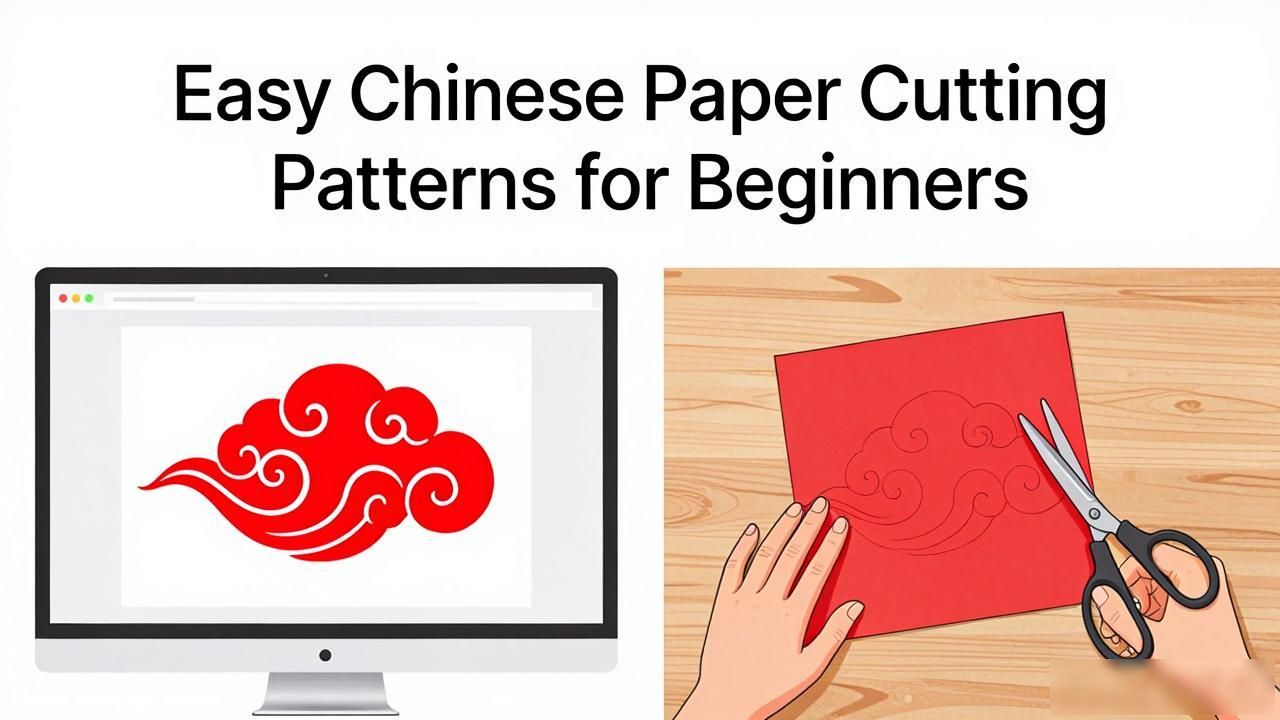
Start by printing free templates online. Many websites offer downloadable Chinese paper cutting patterns for beginners. Place the template on top of your paper and cut through both layers. This gives you a guide without needing to draw freehand. Another method is to trace the pattern onto the paper with a pencil, then cut along the lines. Use scrap paper for your first few attempts. Even if the pattern turns out messy, you learn how the paper behaves when folded and cut. Practice cutting straight lines, curves, and sharp corners separately. Over time, your hand will become steadier, and you will feel confident enough to design your own patterns.
Chinese paper cutting is a rewarding craft that connects you to a rich cultural tradition. Start with simple symmetrical patterns, choose the right tools, and practice regularly. Before long, you will be able to create beautiful decorations that bring luck and joy to any occasion.