
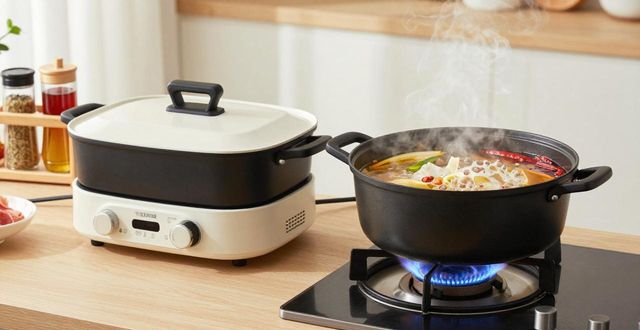
Hot pot is one of the most interactive and flavorful ways to cook at home. It is a simmering pot of broth placed at the center of the table, surrounded by raw ingredients like thinly sliced meat, vegetables, mushrooms, and noodles. The beauty of hot pot lies in its simplicity: you cook your own food in the broth, bite by bite. Understanding the basic hot pot cooking methods is the key to a successful and enjoyable meal, whether you are hosting friends or cooking for your family.
What is the best way to start cooking hot pot at home

Before you start boiling anything, you need to prepare your setup. A portable electric hot pot cooker or a gas stove with a stable pot works best. Fill the pot about two-thirds full with broth. Store-bought broths are fine, but homemade bone broth or spicy Sichuan broth adds far more depth. Let the broth come to a rolling boil before adding any ingredients. This is the most important step: if the broth is not hot enough, the meat will not cook properly and the whole experience becomes frustrating.
Once the broth is boiling, begin with ingredients that take longer to cook, such as root vegetables, tofu, and fish balls. Drop them in first and let them simmer while you prepare your dipping sauces. Thinly sliced meats like beef or lamb only need 10 to 20 seconds in the boiling broth. Use a small strainer or chopsticks to swish the meat back and forth until it changes color. Overcooking meat makes it tough, so keep an eye on it. Leafy greens like spinach or bok choy need only 30 seconds. They wilt quickly and absorb the broth’s flavor.
How to control the heat and timing while cooking hot pot
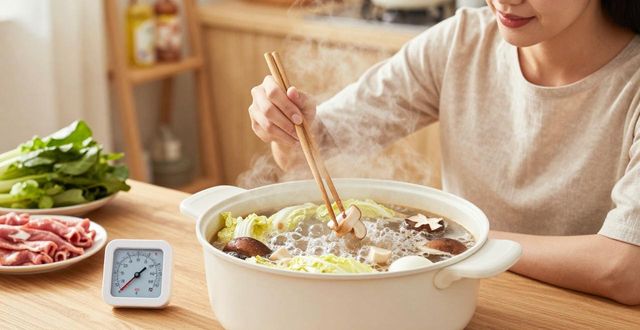
One common mistake is letting the broth boil too violently or too weakly. If the broth boils too hard, ingredients will break apart and the soup will become cloudy. If it barely simmers,raw meat may stay undercooked and unsafe to eat. The ideal heat keeps the broth at a steady, gentle boil. Adjust the temperature as you go. When you add a large batch of cold ingredients, the broth temperature drops. Wait for it to come back to a boil before eating more.
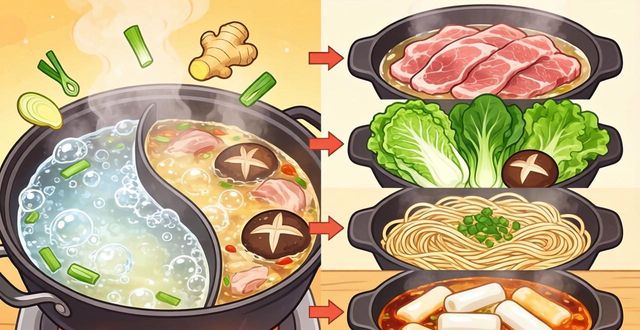
Timing also depends on the order of ingredients. Cook meats first to flavor the broth, then add vegetables and noodles later. This way, the broth becomes richer as the meal goes on. Starchy items like rice cakes or noodles should be added near the end. They release starch into the broth, which can make it thick and cause sticking if added too early. Always keep a separate ladle or spoon for scooping broth, and avoid using the same utensils for raw and cooked food. This keeps the meal clean and safe.
Cooking hot pot is less about strict recipes and more about rhythm and attention. You control what goes in, how long it cooks, and when you eat it. The process is slow and social, which is exactly why people love it. Once you master these basic methods, you can experiment with different broths, dipping sauces, and ingredients. Each pot becomes a new experience.
Your words move with understated elegance. They are deliberate yet effortless, creating a reading experience that is immersive, contemplative, and quietly transformative.
There is an understated elegance in the phrasing, where precision and fluidity coexist, allowing meaning to emerge naturally, leaving space for reflection and introspection.