
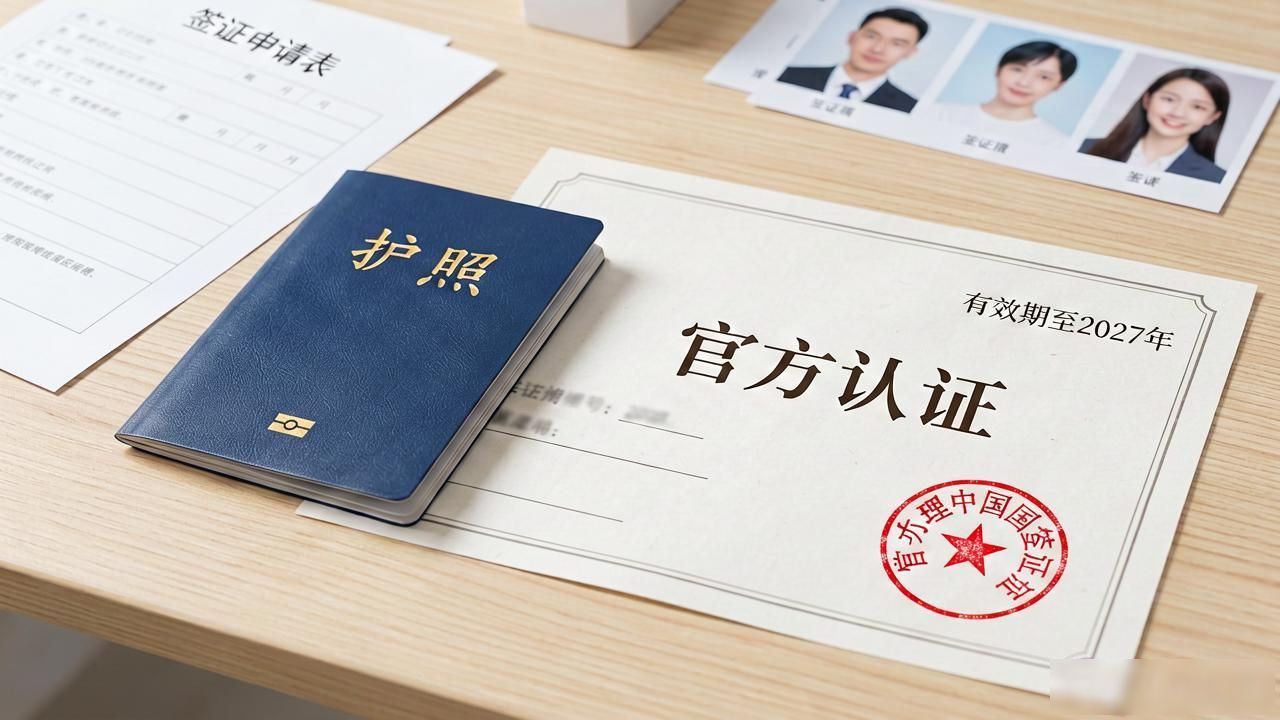
Navigating the entry rules for the world’s second-largest economy can feel like solving a complex puzzle, especially when regulations shift with geopolitical tides. Many travelers assume that because they have visited before, the process remains identical,but visa policies are dynamic and highly specific to nationality. The core challenge isn’t just filling out forms; it is understanding the subtle distinctions between tourist, business, and transit visas, and knowing exactly which documents prove your intent to return home. This guide cuts through the bureaucratic noise, focusing on what actually matters for a smooth approval in the current landscape.
What Documents Do I Need For A China Visa In 2026?

The foundation of any successful application lies in the paperwork, and this year, consistency is key. You must prepare an original passport valid for at least six months beyond your planned stay, with two blank pages. However, the real friction point often arises with the invitation letter. For business trips, a formal invitation from a Chinese entity registered with the Ministry of Commerce is mandatory, and it must include specific details about the visitor’s role and the duration of the stay. Tourism remains simpler but requires proof of itinerary and hotel bookings that align perfectly with your flight dates.
Financial stability is another area where applicants frequently stumble. Consulates are looking for evidence that you can support yourself without seeking unauthorized employment. Recent bank statements showing steady inflows and sufficient balance are standard, but sudden large deposits right before application can trigger red flags. It is crucial to demonstrate a stable financial history rather than a last-minute fix. Additionally, if you are applying for a multiple-entry visa based on frequent travel, having stamps from previous visits in your passport serves as implicit trust, speeding up the verification process significantly.
How Long Does It Take To Get A China Visa Now?
Processing times have stabilized compared to the pandemic era, but patience is still required. Standard processing usually takes four working days, but this is merely the baseline. During peak travel seasons, such as summer holidays or major Chinese festivals, delays are common due to volume. Many travelers opt for expedited services, which can reduce the wait to two or even one day, but these come with higher fees and stricter eligibility criteria. It is wise to apply at least three weeks before your departure to account for any unexpected requests for additional information.

The appointment system itself has become more digitized, requiring online registration before visiting a visa center or embassy. Walk-ins are generally rejected, so scheduling is non-negotiable. Furthermore, biometric data collection, including fingerprints, is now standard for most adult applicants aged six and above. This step adds time to the initial visit but eliminates the need for future appointments for subsequent applications within the validity period. Understanding these logistical hurdles helps you plan better, ensuring that your travel dreams aren’t derailed by administrative bottlenecks. Always check the latest requirements on official government portals before booking flights, as last-minute policy changes can invalidate old plans.