
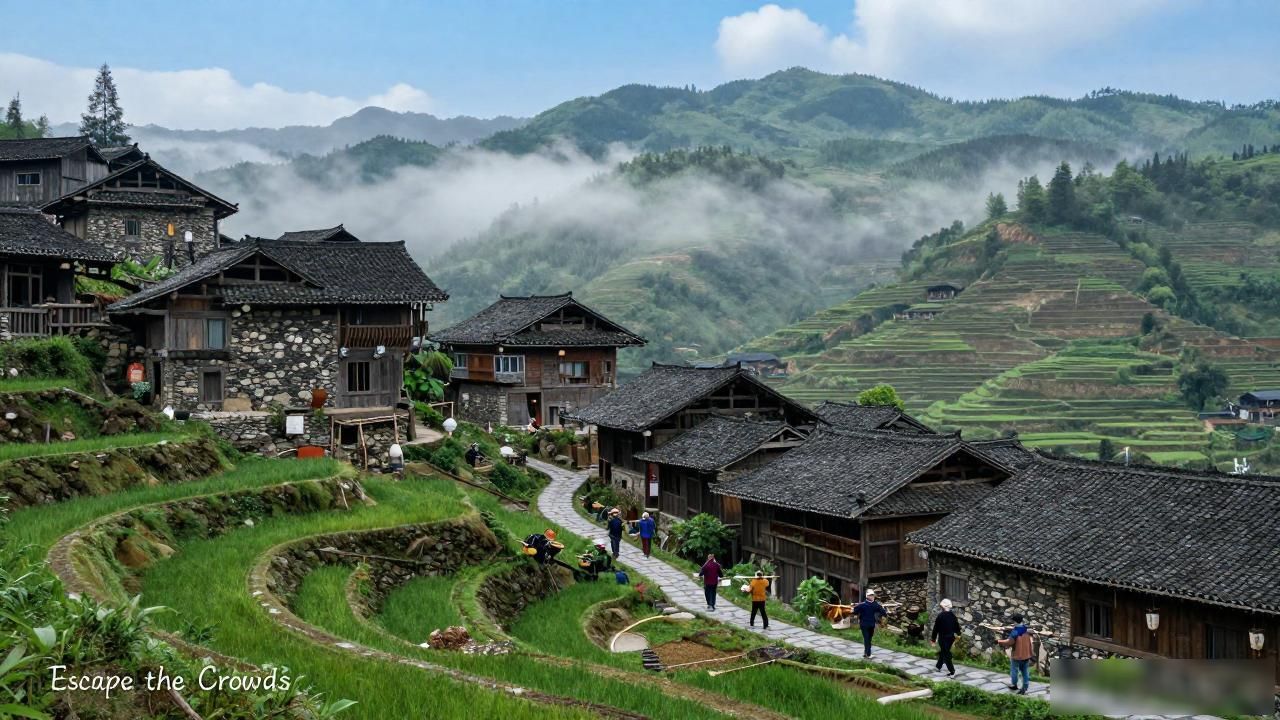
Guizhou is often associated with the massive crowds at Huangguoshu Waterfall or the vibrant lights of Guiyang, but beneath that bustling surface lies a profound silence. I have spent years wandering off the beaten path in Southwest China, seeking out those places where time seems to slow down. The “hidden mountain” I am referring to is not a single peak on every tourist map, but rather the mist-shrouded, karst landscapes of areas like Libo or the deeper reaches of Wumeng Mountain. These spots offer an authentic encounter with nature, far removed from the commercialized tourism hubs. It is a place where the air is crisp, the views are unobstructed, and the local culture remains vibrant and untouched by mass tourism.
What Makes This Place Worth Visiting Now

Many travelers ask why they should venture into these remote corners of Guizhou when well-known destinations are easily accessible. The answer lies in the preservation of authenticity. Here, the villages are built into the mountainsides, constructed from local stone and wood, blending seamlessly with the environment. You will find ancient terraced fields that have been cultivated for centuries, creating a patchwork of green against the grey rock. The locals are still farmers, tea pickers, and artisans, offering a glimpse into a lifestyle that has resisted the rush of modernity. Walking through these villages, you can hear the sound of water flowing through irrigation channels and smell the fresh earth after a rain shower.
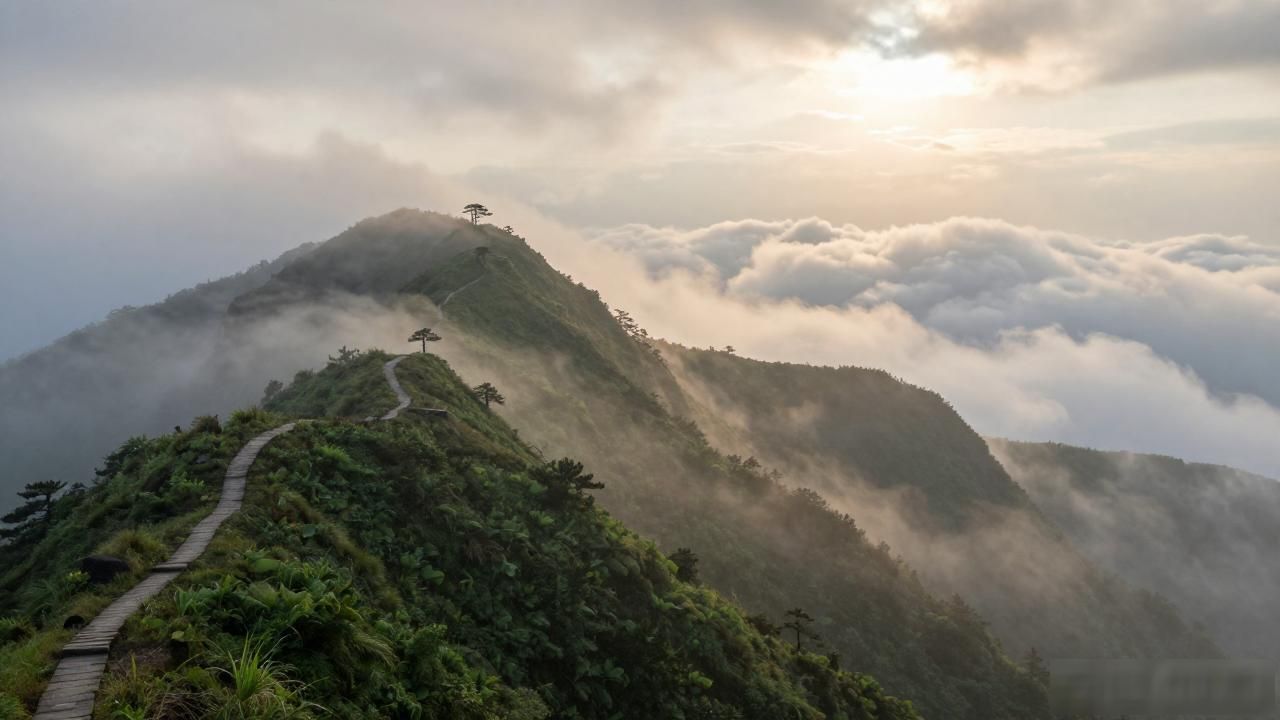
The hiking trails here are not marked with bright signs or crowded with tour buses. Instead, they wind through bamboo forests and past cascading streams, inviting you to move at your own pace. This is not about checking off landmarks; it is about immersion. You might stop to chat with an elderly villager making traditional soy sauce or watch children playing near a waterfall that locals use for bathing. The experience is raw and real. It challenges the notion that travel must be convenient or comfortable. In return, it offers a sense of discovery that few other places can match. The silence here is not empty; it is filled with the sounds of nature, reminding us of our small place in the vast landscape.
How to Prepare for Your Journey
Reaching these hidden gems requires a bit of effort, but the preparation is part of the adventure. Most visitors fly into Guiyang or Kaili, then take a slow train or a shared van towards the county towns like Libo or Sinan. Roads can be winding and steep, so patience is key. The best time to visit is during the shoulder seasons, either spring or autumn, when the weather is mild and the mist is most dramatic. Bring sturdy shoes and a light raincoat,as the mountain weather is unpredictable.
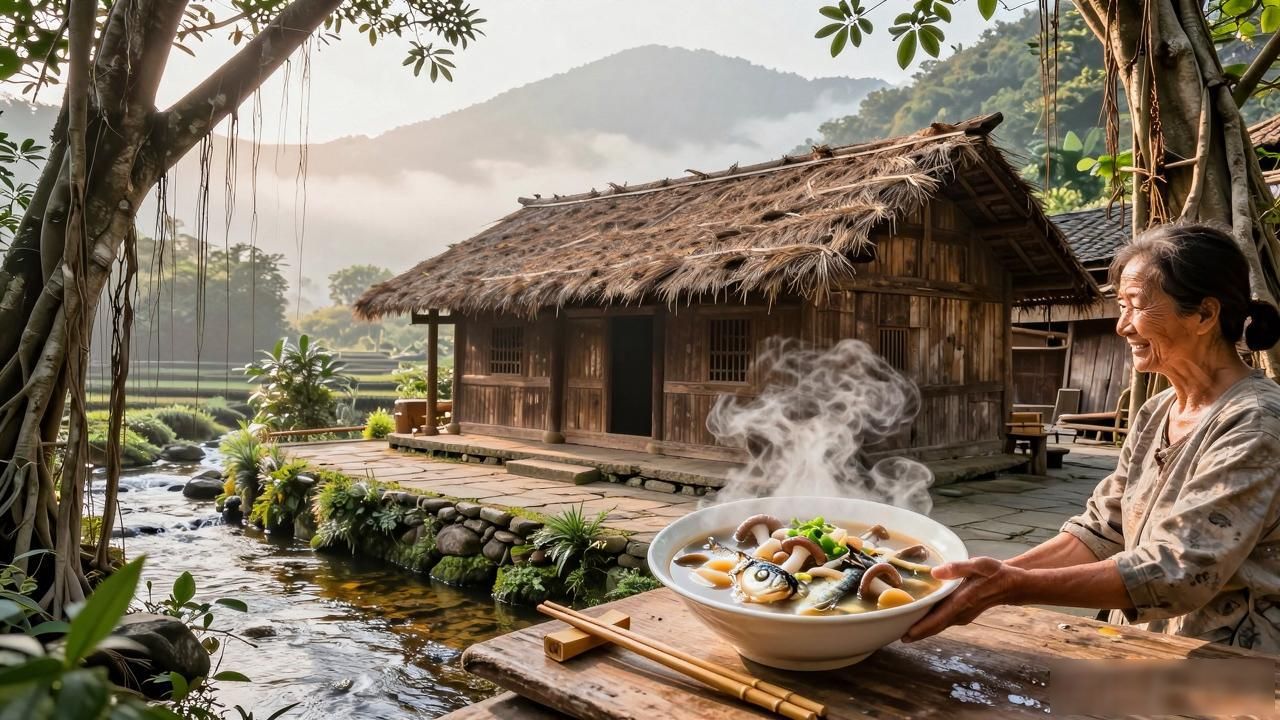
Accommodation options are limited but charming. Stay in locally run guesthouses where the owners serve homemade meals featuring wild mushrooms and river fish. These small businesses benefit directly from your visit, supporting the community rather than large hotel chains. Respect local customs by asking permission before taking photos of people and learning a few basic phrases in the local dialect. This gesture opens doors and fosters genuine connections. The journey itself becomes a memory, etched by the rugged terrain and the kindness of strangers. It is a reminder that the best stories are found not in guidebooks, but in the quiet moments shared with the land and its people.