
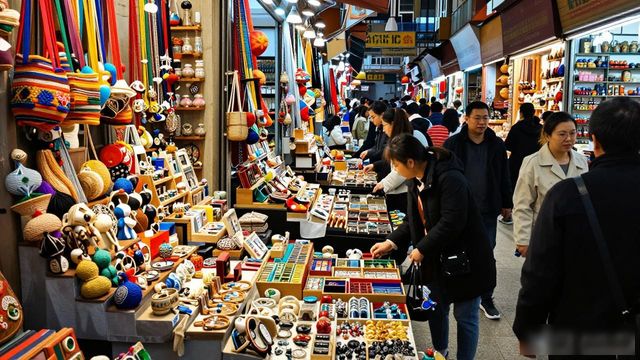
If you’re traveling to China and have any interest in handicrafts, Yiwu should be high on your list. This city in central Zhejiang is not just a wholesale market—it’s a global hub for handmade goods, from intricate wood carvings to hand-painted ceramics, woven baskets, and artisan jewelry. What makes Yiwu special is the sheer variety, the access to workshops, and the opportunity to buy directly from producers at factory prices. Whether you’re a collector, a small business owner, or simply a curious traveler, Yiwu offers a hands-on experience that goes far beyond typical souvenir shopping.

What kind of handicrafts can you actually find in Yiwu
The range is genuinely staggering. At the Yiwu International Trade Market, also known as Futian Market,you’ll find entire sections dedicated to different craft categories. One area might be filled with hand-painted lacquerware from Fujian, another with delicate bamboo weaving from Zhejiang, and yet another with brass figurines from Yunnan. You’ll also encounter more niche items like hand-carved soapstone seals, embroidered silk scarves, and handmade paper lanterns. The market spans five zones and thousands of booths, so it’s easy to spend two full days just browsing. If you’re looking for something specific—say, hand-dyed batik tablecloths or miniature clay figurines—you can usually find it by asking vendors or checking the market’s directory. Many sellers are open to small orders, so you can buy just one piece or negotiate for a dozen.
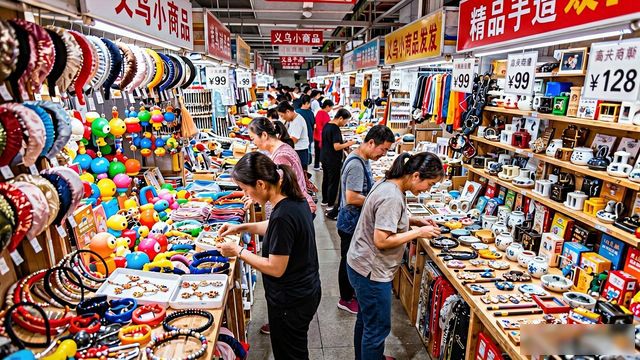
How to shop handicrafts in Yiwu without getting overwhelmed
The key is to plan ahead and know what you’re looking for. Start by visiting Zone 1 for ornaments and crafts, then move to Zone 2 for gifts and home decor. Don’t try to see everything in one day. Wear comfortable shoes, bring a portable charger, and carry cash because some smaller vendors don’t take cards. Bargaining is expected, but keep it respectful—most prices are already low, so a 10 to 20 percent discount is reasonable. If you’re buying fragile items like ceramic vases or glassware, ask vendors to pack them properly, and consider using a shipping service if your luggage is tight. Many market buildings have logistics offices that can handle international shipping, which is a lifesaver for delicate or bulky handicrafts.
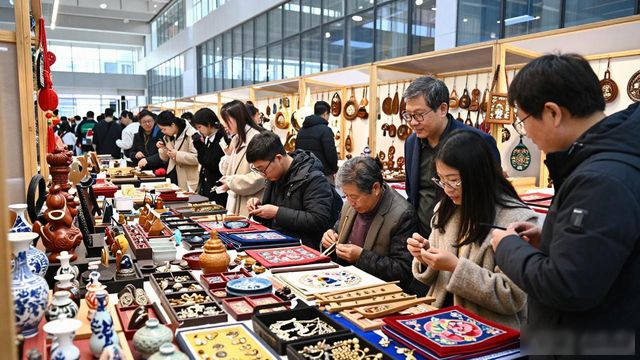
Traveling to Yiwu for handicrafts is more than a shopping trip—it’s a chance to see how traditional crafts are kept alive through modern trade. You’ll walk away with unique pieces, cultural insight, and a deeper appreciation for the artisans behind the goods. If you’re planning a China trip and love handmade things, Yiwu deserves a spot on your itinerary.