
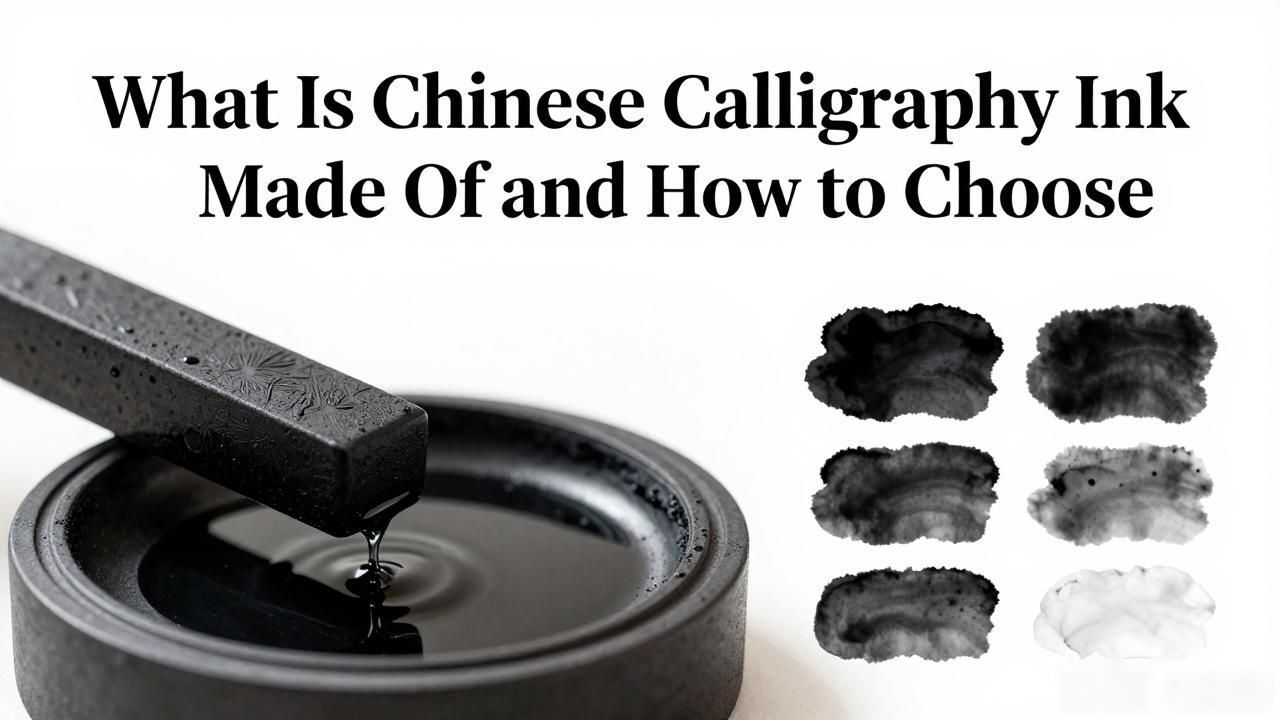
Chinese calligraphy ink is far more than a simple black liquid. It carries centuries of cultural meaning and artistic tradition. Understanding its origins, types, and proper use can transform your calligraphy practice from ordinary to extraordinary.
What Chinese Calligraphy Ink Is Made Of
The traditional ink stick, known as mo, is crafted from soot mixed with animal glue and aromatic herbs. The soot comes from burning pine wood or vegetable oils like tung oil and rapeseed oil. This mixture is then pressed into molds and left to dry for months or even years. The longer it ages, the richer and smoother the ink becomes.

When you grind an ink stick on an inkstone with water, you release the soot particles slowly. This process creates ink with varying shades of black, from deep glossy darkness to soft gray tones. The glue content determines how well the ink adheres to rice paper. Too much glue makes the ink stiff and brittle; too little causes it to bleed uncontrollably.
Modern bottled ink offers convenience but often lacks the depth and nuance of hand-ground ink. Many commercial brands add preservatives and synthetic dyes that produce a flat, lifeless black. For serious practice, investing in a proper ink stick and inkstone proves worthwhile over time.
Types of Chinese Calligraphy Ink Explained
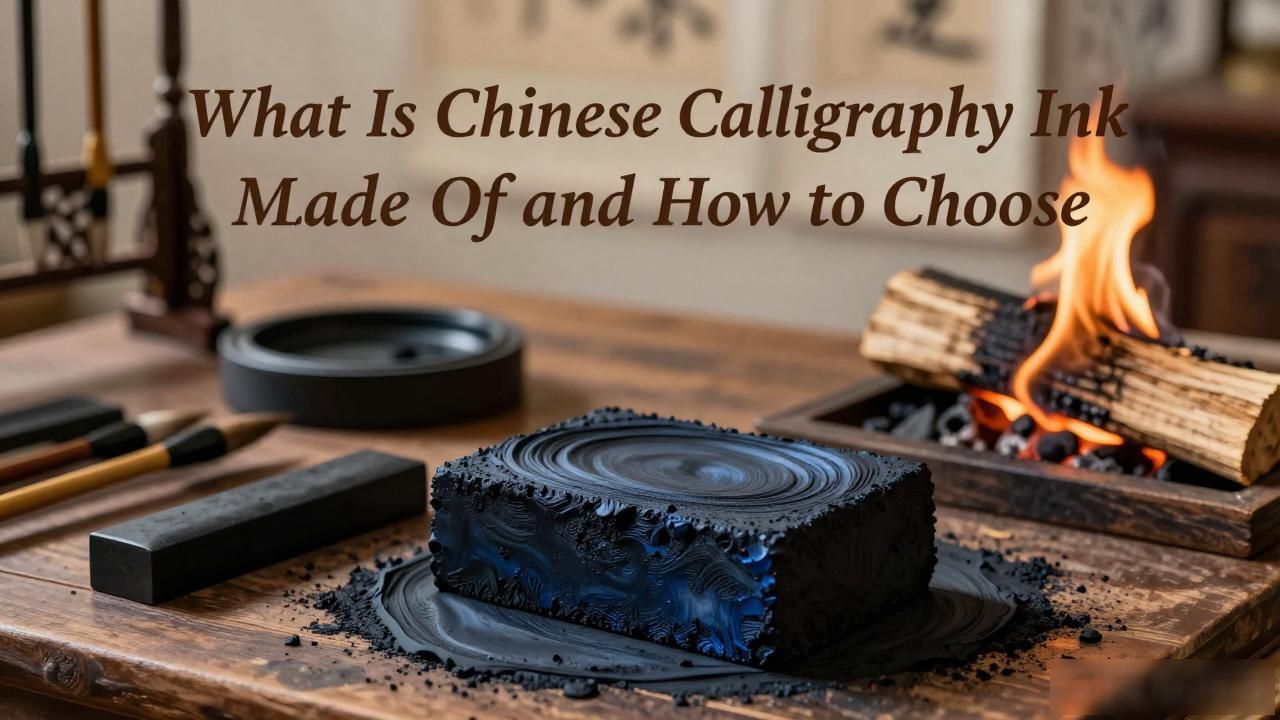
The two main categories are pine soot ink and oil soot ink. Pine soot ink, made from burning pine wood,yields a bluish-black tone with a matte finish. It is prized for its subtle texture and is especially popular among scholars and painters who value refined aesthetic expression.
Oil soot ink, produced from burning vegetable oils, creates a warmer, glossier black with more depth. This type tends to be richer and more versatile, making it suitable for both bold brushwork and delicate details. Many calligraphers prefer oil soot ink for its ability to produce striking contrast between thick and thin strokes.
Some ink sticks blend both pine and oil soot to achieve a balanced tone. These hybrid inks offer the best of both worlds, combining the subtlety of pine soot with the richness of oil soot. When selecting ink, consider the style of calligraphy you practice and the visual effect you wish to achieve.
How to Use Chinese Calligraphy Ink Properly
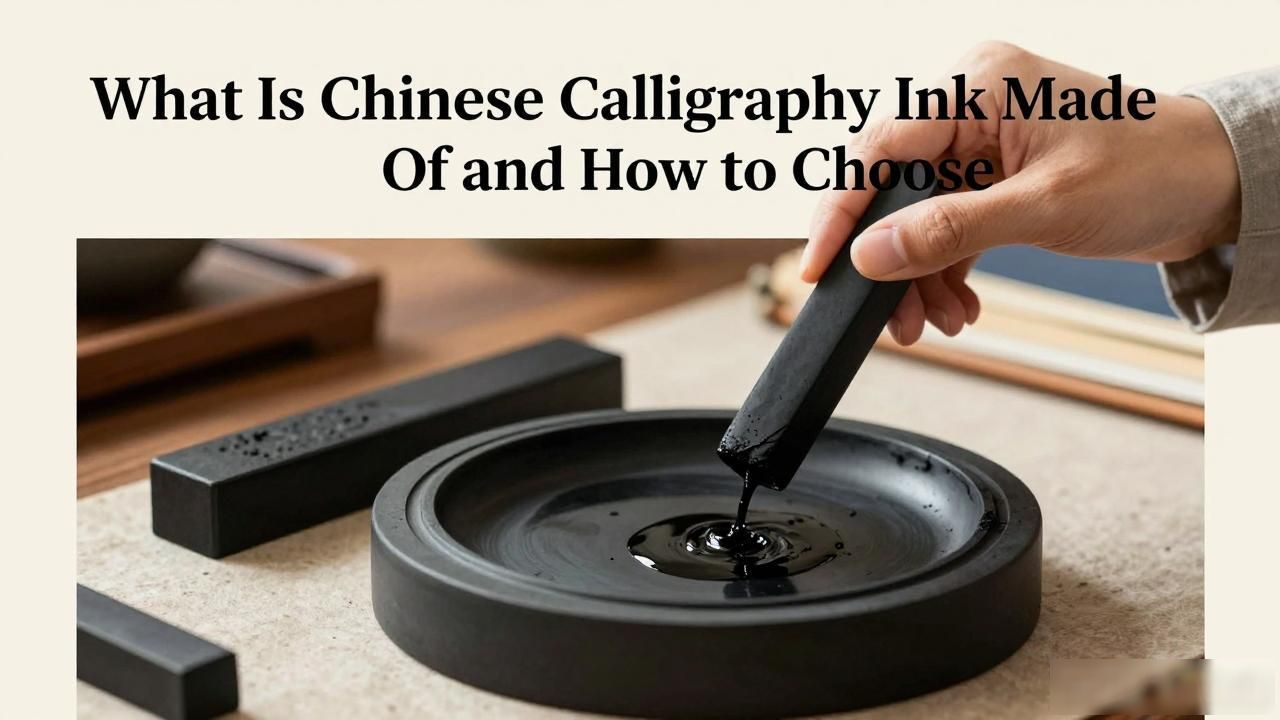
Adding clean water to your inkstone, one spoonful at a time, allows you to control the ink’s consistency. Grind the ink stick in a circular motion with moderate pressure. Start with a small amount of water and add more as needed. The goal is to reach a smooth, slightly viscous texture that flows easily from the brush.
A good quality ink should have a pleasant scent, reminiscent of aged wood or subtle incense. It should also produce a rich black color when dried on paper. If the ink smells chemical or harsh, it likely contains inferior ingredients. Test your ink on scrap paper before committing to a final piece.
Store your ink sticks in a dry, cool place away from direct sunlight. Wrap them in paper or cloth to prevent dust accumulation. Over time, properly stored ink sticks can improve in quality, developing a deeper luster and smoother grinding experience. Treat your ink as a lifelong companion in your calligraphy journey.