
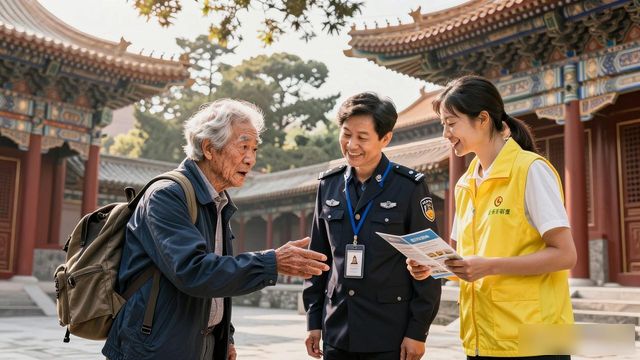
China is a vast and diverse country with rich history and modern cities. For many foreign travelers, safety is a top concern when planning a trip here. In reality, China is one of the safest countries for tourists, with low crime rates and a well-developed public infrastructure. This guide will help you understand the key safety aspects and practical tips to make your journey smooth and secure.

What are the biggest safety risks in China for tourists
The most common safety concerns in China are not violent crimes but minor inconveniences. Pickpocketing can happen in crowded tourist spots like Beijing’s Wangfujing Street or Shanghai’s Nanjing Road, but it is less frequent than in many Western cities. Scams targeting tourists also exist, such as overpriced tea ceremonies or fake ticket sellers near popular attractions. Traffic is another real risk, as some drivers may not follow strict road rules, especially in smaller cities. Always use official taxis or ride-hailing apps like Didi, and look both ways before crossing streets. Natural risks like air pollution in northern cities during winter can affect your health, so check the AQI index and bring a mask if needed. Public transportation like subways and high-speed trains is very safe, but keep your belongings close, especially during rush hours. Hotels and hostels generally have good security, but always lock your door and use the safe for valuables. The biggest advice is to stay aware of your surroundings, just as you would in any unfamiliar country.

How to stay safe with food and water in China
Food safety is a common concern for visitors, but the reality is that most restaurants in China follow strict hygiene standards. Street food is popular and generally safe if you choose stalls with high turnover and fresh ingredients. Avoid raw or undercooked meats, and make sure food is cooked in front of you. Tap water is not drinkable in China, so always buy bottled water or boil tap water before consumption. Many hotels provide free bottled water, and you can find it cheaply at convenience stores. If you have a sensitive stomach, start with simple cooked dishes like noodles or rice, and gradually try spicier options. Food allergies are not always well understood in China, so carry a card in Chinese explaining your allergies. For example,if you are allergic to peanuts, have a note that says “我对花生过敏” (wǒ duì huāshēng guòmín). Pharmacies are common in cities, and many staff speak basic English, but you should bring a basic travel medicine kit with anti-diarrhea pills and antihistamines. In general, Chinese cuisine is delicious and safe if you take sensible precautions.
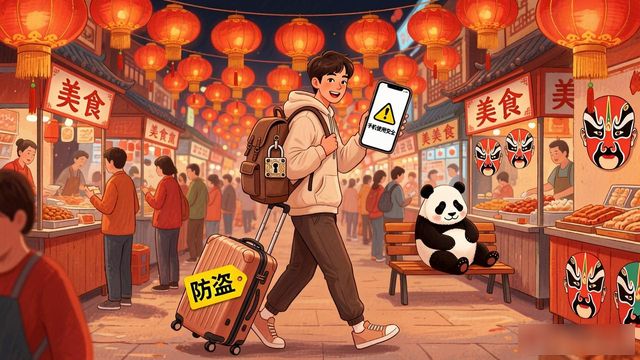
China is a wonderful destination that rewards travelers who prepare well. By understanding the real safety risks and following simple guidelines, you can focus on enjoying the incredible sights, food, and culture. Safe travels and enjoy your journey through China.