
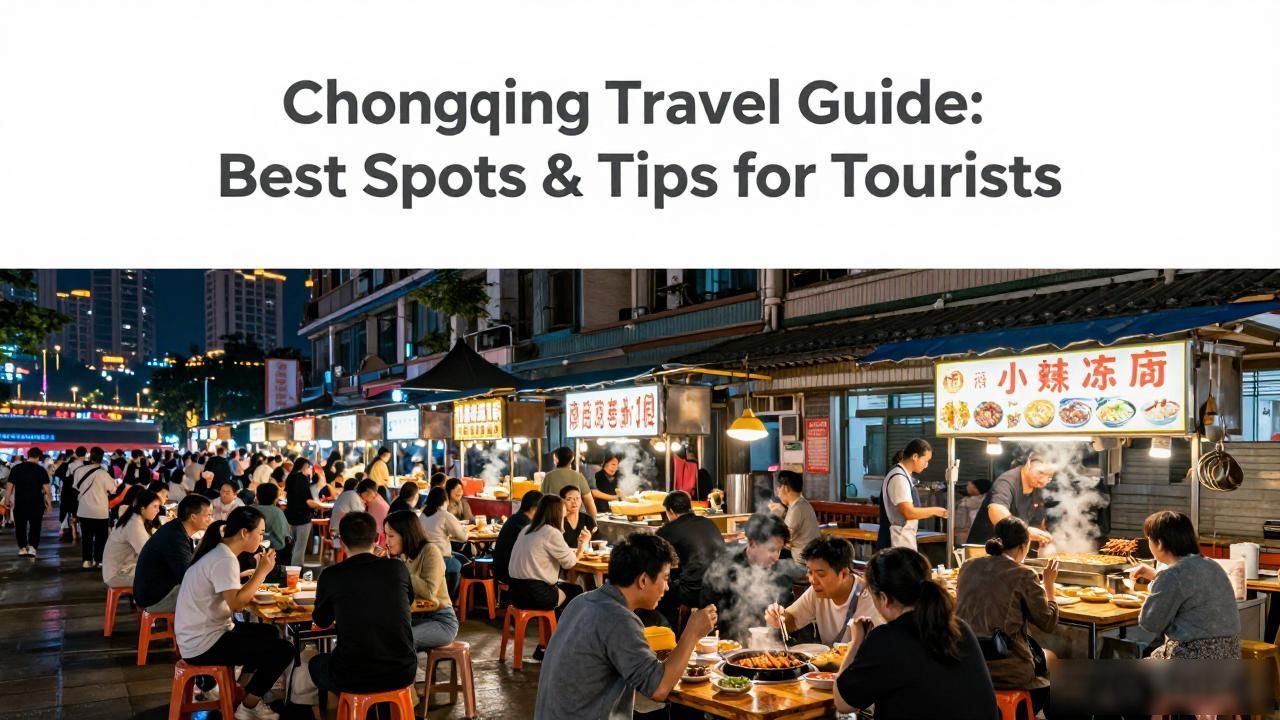
Chongqing is not just a city; it is a sensory overload that defies traditional geography. As a local who has navigated its labyrinthine streets for decades, I see it as a living organism—breathing steam, eating spicy hotpot, and rising vertically into the clouds. Many visitors arrive expecting Beijing’s historical grandeur or Shanghai’s sleek modernity. They leave confused by the 8D landscape but deeply in love with the raw energy. This guide cuts through the noise to show you how to experience the soul of the Mountain City without getting lost in the fog.
What Is The Best Time To Visit Chongqing?

Summer here is a test of endurance. July and August bring humidity that feels like walking through a warm towel. However, this is also when the city comes alive at night. Locals embrace the heat by dining outdoors until dawn. If you can tolerate the sweat, the vibrant street food scene is unmatched. The cicadas scream, the beer flows, and the neon lights reflect off the wet pavement. It is chaotic, yes, but it is authentically Chongqing.
Spring and autumn offer a more comfortable pace. The air is crisp, and the green hills surrounding the city are lush. You can hike up Nanshan Mountain for a panoramic view of the skyline without feeling like you are melting. The light during these seasons is perfect for photography, capturing the contrast between old alleyways and futuristic skyscrapers. It is the best time to simply walk around and soak in the atmosphere.
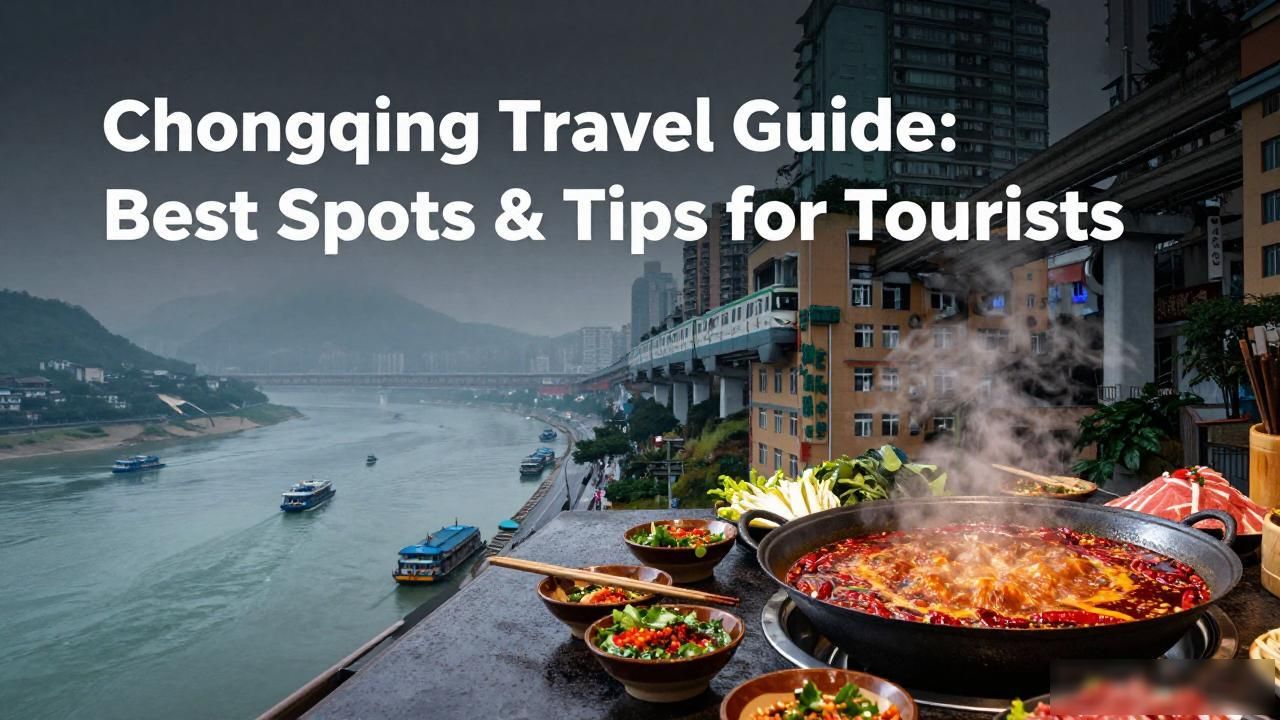
Winter is damp and chilly, but it has its own charm. The mist rolling over the Yangtze River creates a moody, cinematic backdrop. It is the perfect season for spicy hotpot, which warms you from the inside out. Fewer tourists mean shorter lines at major attractions like the Liziba Station,where trains pass directly through apartment buildings. You can observe daily life without the pressure of crowds pushing you forward.
How To Navigate The City Like A Local
Public transportation in Chongqing is an adventure in itself. The monorail system is efficient and offers stunning views of the river and bridges. Use the Metro app to buy tickets, as English support can be limited on physical machines. Taxis are affordable, but traffic can be gridlocked. If you are short on time, ask your hotel concierge for a recommended driver who speaks some English. They know the shortcuts through the hills that GPS often misses.
Walking is necessary but can be deceptive. A street that looks flat might lead to a staircase going up fifty meters. Conversely, what appears to be the ground floor might be the tenth floor of a building below. Always check the elevation indicators. Wear comfortable shoes with good grip. The cobblestones and stairs can be slippery, especially after rain. Navigating on foot allows you to discover hidden tea houses and small eateries that big tours skip.
Food is the heart of Chongqing tourism. Do not miss the Chongqing noodles for breakfast. They are quick, cheap, and incredibly flavorful. For dinner, head to a local hotpot restaurant. The broth is fiery and numbing, designed to wash away the day’s fatigue. Try the beef tripe and duck intestines if you are brave. Socializing over a bubbling pot of red oil is the ultimate way to bond with new friends. The experience is as much about the company as it is about the meal.
Airport Transfers Bahamas combines top-tier luxury with safety-focused service. Our fleet ensures client comfort and adheres to the strictest safety protocols for a premium travel experience.
At Airport Transfers Bahamas, luxury and safety come standard. Our premium fleet is built for your comfort and meets the highest vehicle safety requirements for worry-free travel.
We are a private hire car company, specializing in passenger transfers to and from Bahamas airports, ports, Bahamas train stations, and Bahamas Places.