
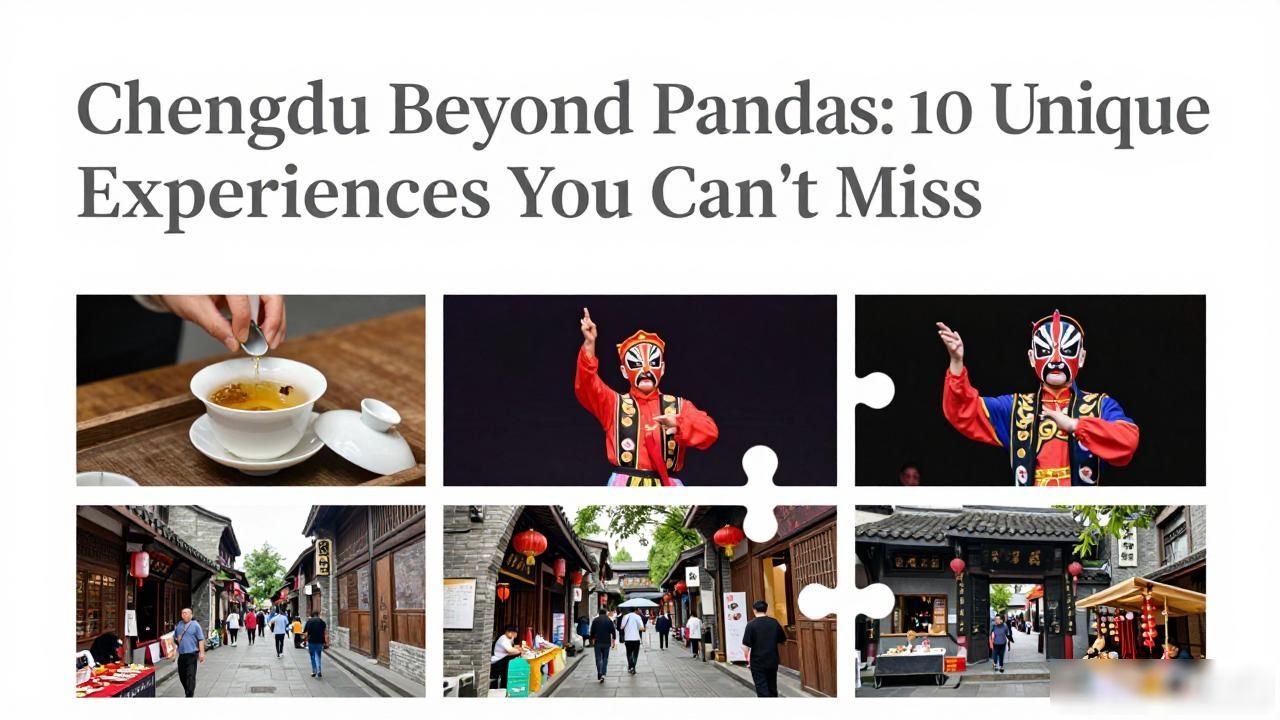
Chengdu is often reduced to two things: pandas and spicy hotpot. But the city that calls itself the “Land of Abundance” has far more to offer for travelers who want to go beyond the guidebook clichés. From teahouse culture that dates back centuries to underground art scenes and night markets that never sleep, Chengdu rewards those who wander off the beaten path. Here are the experiences that will make your trip genuinely unforgettable.
Why Chengdu feels different from other Chinese cities

The first thing you notice in Chengdu is the pace. People stroll. They linger over tea. They play mahjong in public parks at 3 p.m. on a Tuesday. This is not laziness—it’s a deliberate lifestyle choice that locals call bashi (comfortable). As a traveler, you can tap into this rhythm by starting your day not at a museum, but at a People’s Park teahouse. Order a cup of jasmine tea, pay for a ear-cleaning session from a wandering practitioner, and just watch the city breathe. It’s a slow travel experience that will recalibrate your entire sense of time.
Another layer of difference is the city’s relationship with its own history. Chengdu is one of the few Chinese cities that has never changed its name in over 2,000 years. That continuity shows in its alleyways, its food, and its people’s quiet confidence. You won’t find the frantic energy of Shanghai or the imperial grandeur of Beijing here. Instead, you’ll find a city that is deeply comfortable in its own skin—and that comfort is infectious.
What hidden gems should you explore beyond the tourist spots
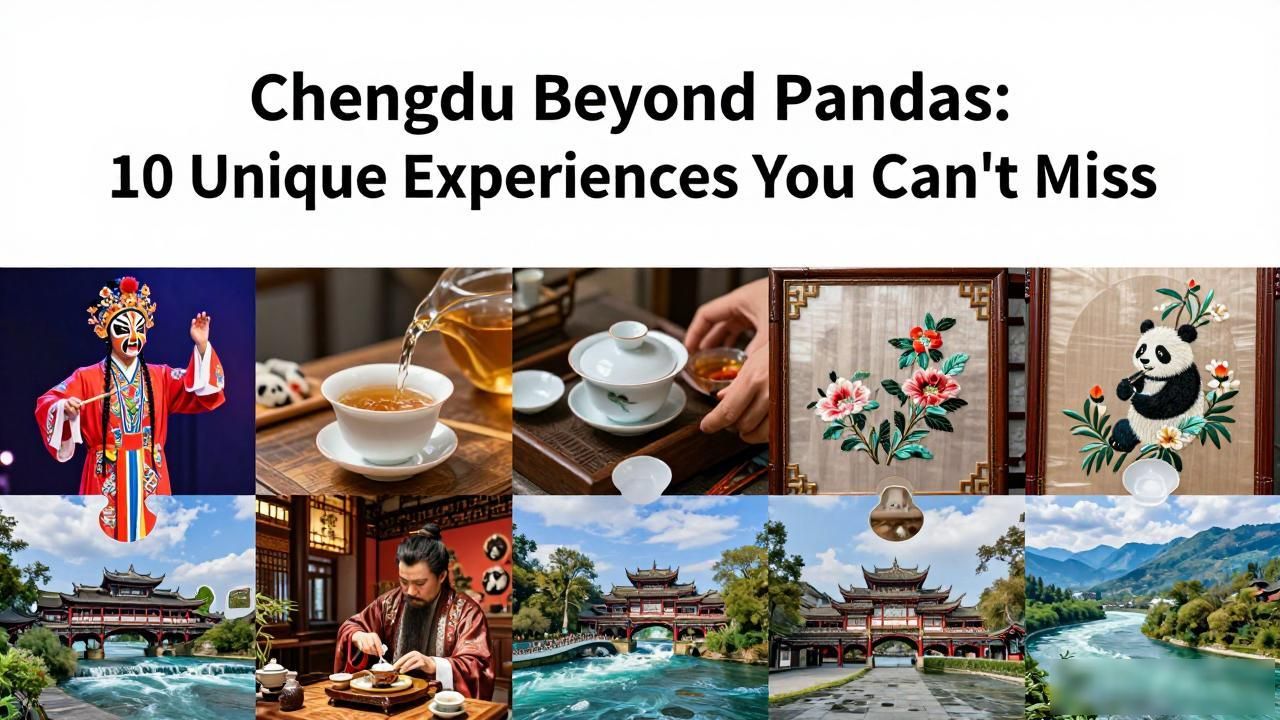
Skip the crowded Jinli Street and head to the Little Tongren Road area instead. This is where local artists, independent bookshop owners, and coffee roasters have taken over old residential buildings. You can spend an afternoon hopping between a tiny gallery showing Sichuan contemporary art, a secondhand bookstore with a resident cat, and a courtyard café that serves locally grown coffee beans. It’s a side of Chengdu that most tourists never see, yet it’s only 15 minutes from the city center.
For a truly unique evening, book a Sichuan Opera “face-changing” performance at a small theater like Shufeng Yayun, rather than a big commercial venue. The intimacy makes a huge difference. You’ll see performers up close, hear the swish of their costumes, and feel the shock of each mask change. After the show, walk to the nearby Yulin Night Market, where you can try cold rabbit (a local delicacy), dan dan noodles, and grilled skewers that are smoked over charcoal right in front of you. This is where the real Chengdu food culture lives—not in fancy restaurants, but in these smoky, noisy, wonderful street corners.
How to experience Chengdu like a local in one day
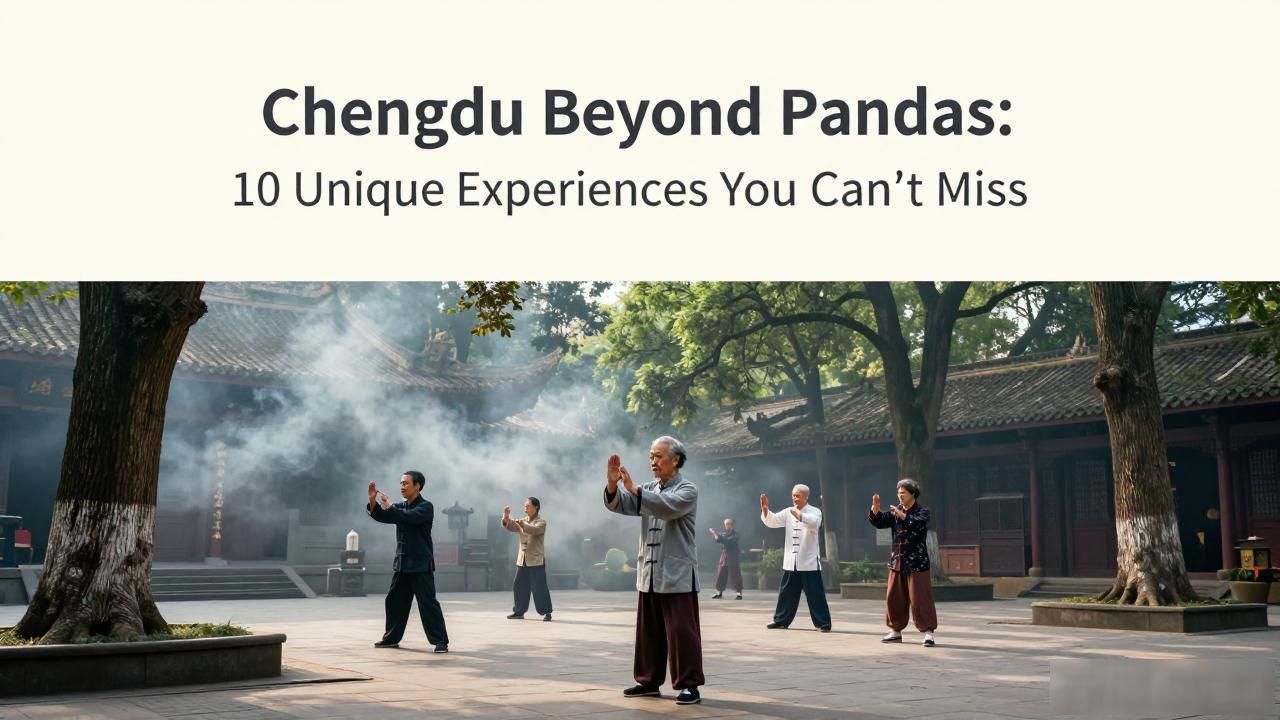
Start with a morning visit to the Qingyang Palace (Green Goat Palace), a Taoist temple that gets almost no foreign tourists. The incense smoke, the ancient cypress trees, and the elderly locals practicing tai chi in the courtyard create a serene atmosphere that’s perfect before the city wakes up. Then, take a short bus ride to the Sichuan Cuisine Museum—yes,there’s a museum dedicated entirely to Sichuan food. You can learn to make mapo tofu from a master chef and taste 20 different varieties of chili oil. It’s interactive, delicious, and surprisingly fun.
In the afternoon, do what locals do on weekends: rent a bicycle and ride along the Fu River greenway. The path winds through parks, under old bridges, and past teahouses where old men play chess. Stop at any point that looks interesting—that’s the whole point. End your day at the Hejiang Pavilion on the riverbank, where you can watch the sunset paint the water orange while sipping a local craft beer from a nearby microbrewery. No tour group will bring you here. You’ll have found it yourself, and that’s exactly how Chengdu is meant to be experienced.