
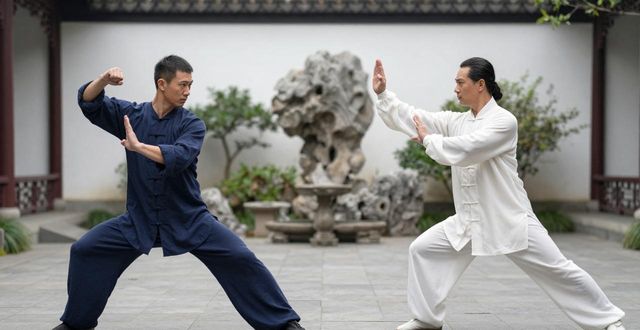
When people hear “Chinese Kung Fu & Tai Chi,” they often imagine either fast,powerful strikes or slow, graceful movements. But these two ancient practices are far more than just physical exercises. Kung Fu emphasizes combat effectiveness, explosive strength, and agility, while Tai Chi focuses on internal energy flow, balance, and relaxation. Both originate from Chinese martial arts traditions, yet they serve different purposes and attract different practitioners. Understanding their core differences can help you choose the right path for your fitness, self-defense, or spiritual goals. Let’s dive into the most common questions people ask about these two disciplines.
What are the health benefits of Tai Chi

Tai Chi is often called “meditation in motion.” Its slow, controlled movements improve flexibility, joint health, and posture. Regular practice reduces stress hormones like cortisol, lowers blood pressure, and enhances immune function. Many older adults use Tai Chi to prevent falls because it trains balance and proprioception. Unlike high-impact sports, Tai Chi is gentle on the knees and spine, making it ideal for arthritis patients. Studies also show that Tai Chi can relieve chronic pain, improve sleep quality, and even boost cognitive function in seniors. If you want a low-risk, lifelong practice for overall wellness, Tai Chi is a proven choice.
How does Kung Fu improve self-defense skills
Kung Fu is not one style but hundreds of fighting systems, from Wing Chun to Shaolin. Unlike Tai Chi’s slow forms, Kung Fu training includes punching, kicking, blocking, and grappling drills. Students learn to generate explosive power from the hips and core, react quickly to attacks, and target vulnerable points on an opponent’s body. Realistic sparring sessions build timing, distance control, and mental toughness. Many Kung Fu styles also teach weapons like staff or broadsword, which further sharpen coordination and situational awareness. For practical self-defense, Kung Fu provides a structured, progressive method to handle physical threats.
Which is better for beginners: Kung Fu or Tai Chi
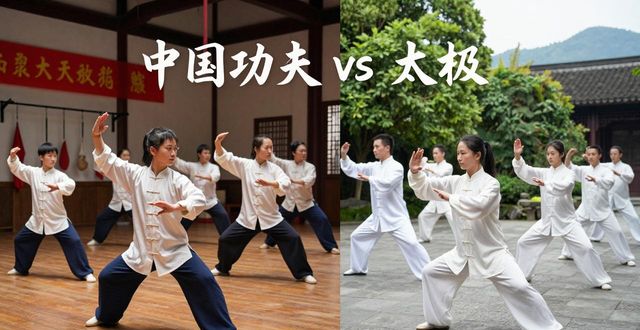
That depends entirely on your goals and physical condition. If you are young, fit, and eager to learn striking or kicking, Kung Fu offers exciting challenges. However, beginners may find Kung Fu’s stances and kicks hard on the knees, and the risk of minor injuries is higher. Tai Chi is more accessible for people with limited mobility, chronic pain, or those over 50. Its learning curve is gentler—you can start seeing relaxation and balance improvements within weeks. But Tai Chi requires patience; some beginners get bored by the slowness. A good approach is to try both. Many schools offer trial classes, so you can feel which rhythm suits you better.
Can Tai Chi help with stress relief and mental focus
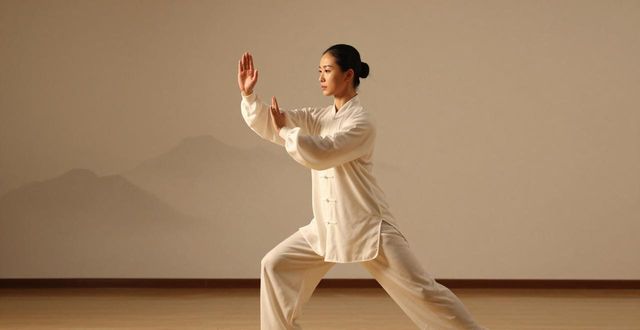
Absolutely. Tai Chi’s deep breathing and mindful movements trigger the parasympathetic nervous system, which calms the “fight or flight” response. As you coordinate breath with each posture, your mind has no room for racing thoughts or daily worries. This meditative quality reduces anxiety, depression, and emotional burnout. Over time, practitioners develop better concentration and emotional resilience. Unlike sitting meditation, Tai Chi keeps your body active, releasing physical tension stored in shoulders, neck, and lower back. Many corporate professionals and students now use Tai Chi breaks to reset their focus. If stress is your main enemy, Tai Chi is one of the most effective non-pharmaceutical tools available.
Have you ever tried either Chinese Kung Fu or Tai Chi, and what surprised you most about the experience? Share your story in the comments below, and don’t forget to like and share this article with anyone curious about these beautiful arts.