

Taiyuan, the capital of Shanxi Province in northern China, is a city steeped in over 2,500 years of history. Its cultural heritage is a rich tapestry of ancient temples, traditional crafts, and architectural marvels that tell the story of China’s imperial past. For foreign travelers, understanding this heritage means exploring not just famous landmarks, but also the everyday traditions that have survived through centuries. This article will guide you through the most significant aspects of Taiyuan’s cultural legacy, from its iconic pagodas to its living folk arts.
What Ancient Sites Should You Not Miss in Taiyuan

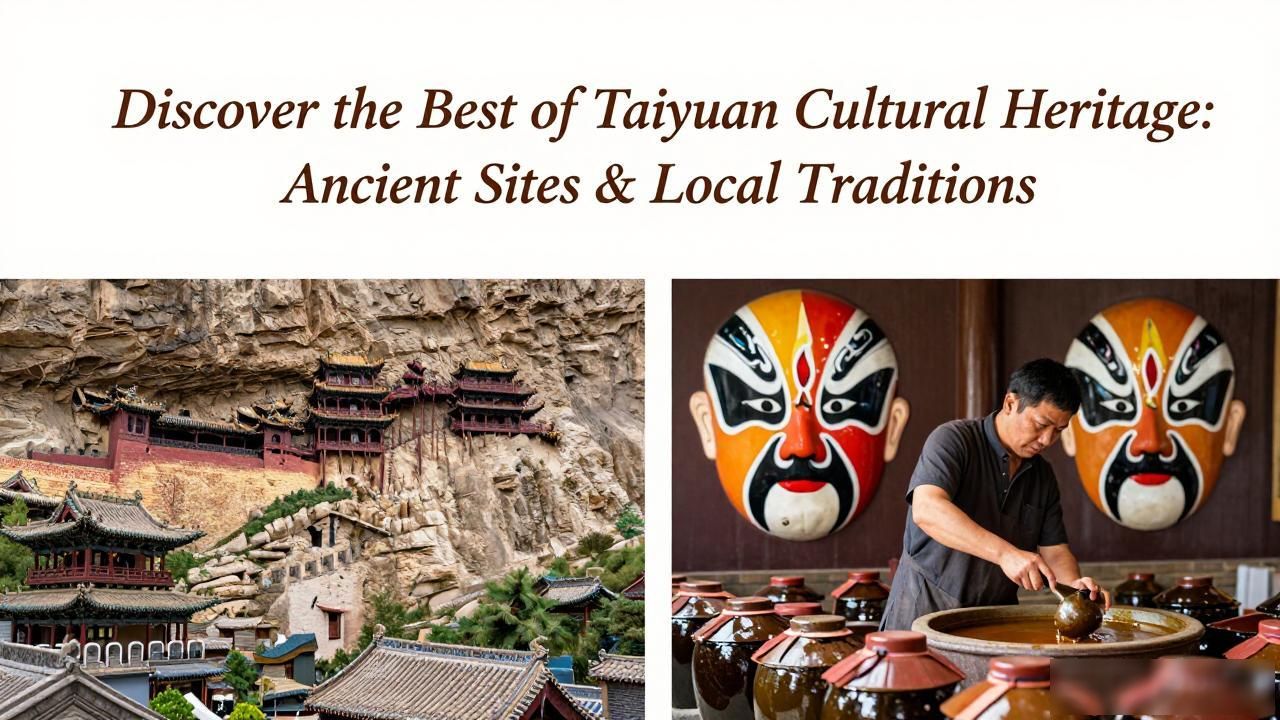
When visiting Taiyuan, the Jinci Temple is an absolute must-see. This sprawling complex dates back to the Zhou Dynasty and features stunning Song Dynasty architecture, including the Hall of the Holy Mother with its intricate wooden carvings and flying beams. The temple is also home to a thousand-year-old cypress tree and a unique spring-fed pool, offering a peaceful retreat from the city’s modern bustle. Many travelers spend at least half a day here to fully appreciate the ancient murals and stone bridges.
Another key site is the Twin Pagodas of Yongzuo Temple, which have become a symbol of Taiyuan. Built in the Ming Dynasty, these two brick pagodas stand 54 meters tall and offer panoramic views of the city from their top floors. The temple grounds also house a small museum displaying Buddhist relics and calligraphy. For history buffs, the Shanxi Museum is equally essential, with its vast collection of bronze artifacts, pottery, and jade pieces from the Spring and Autumn period. Don’t miss the section on the ancient Jin State, which provides deep context for the region’s historical importance.
How Can You Experience Local Traditions and Folk Arts
Beyond ancient structures, Taiyuan’s cultural heritage lives on in its traditional crafts and performances. The art of making Shanxi paper-cuttings is still practiced by local artisans, who create intricate designs for festivals and weddings. You can visit workshops in the old city district, where masters teach visitors how to cut patterns from red paper. These paper-cuttings make excellent souvenirs and connect you directly to local customs.
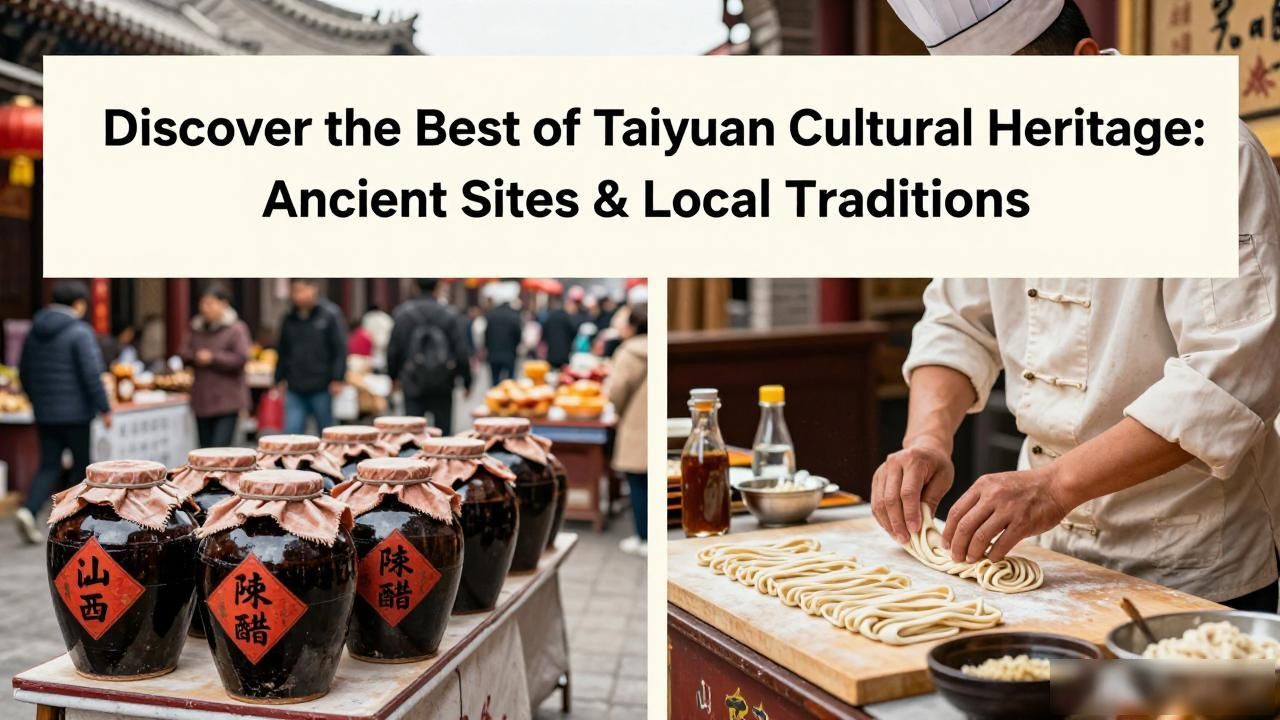
Food is another gateway to heritage. Taiyuan is famous for its knife-cut noodles, or daoxiao mian,which are made by shaving dough directly into boiling water. Watching a skilled chef prepare this dish is a performance in itself. Local markets also offer aged Shanxi vinegar, a pungent condiment that has been produced in the region for centuries. Trying a bowl of noodles with a dash of local vinegar is a simple but authentic way to taste history. Additionally, traditional Shanxi opera performances are held at cultural centers on weekends, featuring colorful costumes and distinctive singing styles that have been passed down for generations.
Taiyuan’s cultural heritage is not locked in museums—it is alive in its temples, its food, and its people. By exploring these ancient sites and engaging with local traditions, foreign visitors can gain a genuine appreciation for a city that has quietly preserved its identity through millennia of change. Whether you are climbing the Twin Pagodas or savoring a bowl of handmade noodles, you are participating in a living history that continues to shape this remarkable place.