
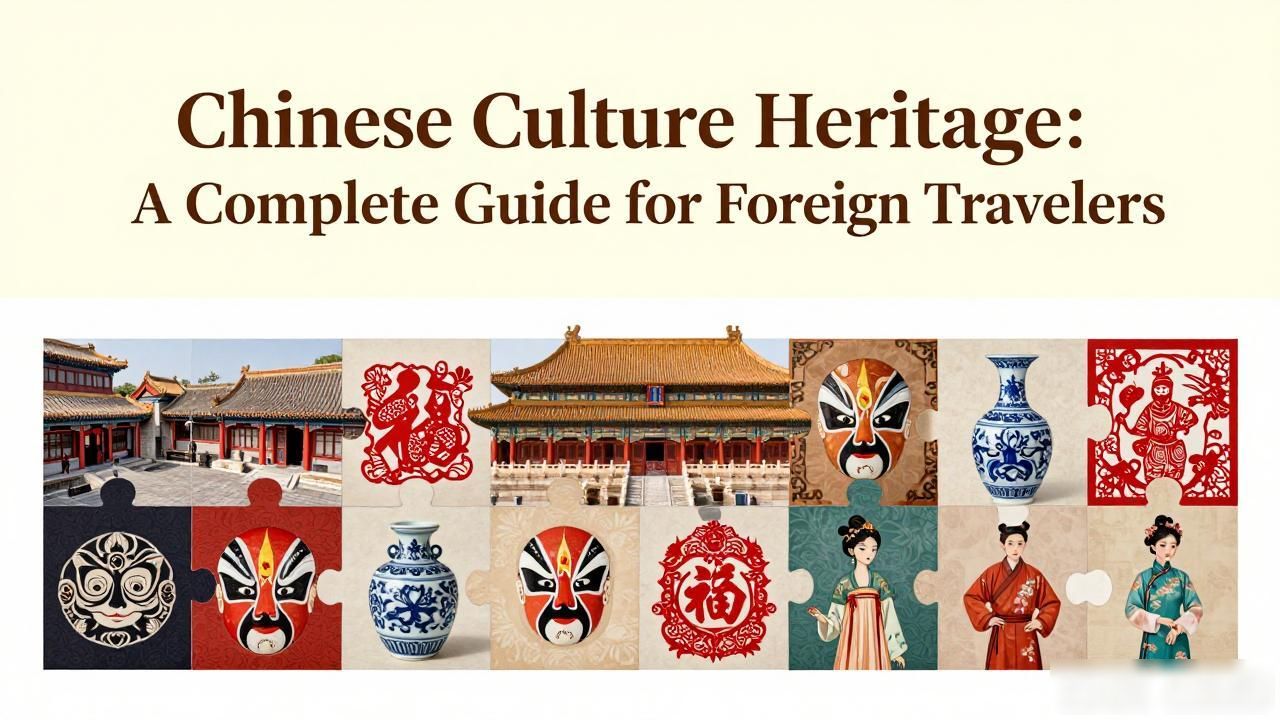
Chinese cultural heritage is one of the world’s oldest continuous civilizations, stretching back over five thousand years. It encompasses everything from ancient temples and imperial palaces to intangible traditions like calligraphy, traditional medicine, and folk festivals. For foreigners seeking to understand China beyond its modern skyline, exploring this heritage offers a deeply rewarding window into a civilization that has shaped East Asia for millennia.
What makes Chinese heritage unique

Chinese cultural heritage stands apart because it is remarkably continuous. Unlike many ancient civilizations that disappeared, Chinese writing, philosophy, and artistic traditions have evolved without complete breaks. The Great Wall, the Forbidden City in Beijing, and the Terracotta Army in Xi’an are not just tourist attractions — they are tangible proof of a civilization that valued grand projects and meticulous craftsmanship.
What truly sets Chinese heritage apart is its living nature. Traditions like the Spring Festival, Dragon Boat Festival, and Mid-Autumn Festival are still celebrated by over a billion people today. These are not museum pieces but vibrant customs that adapt while preserving their core meaning. A foreign visitor walking through a temple during Lantern Festival will witness something no documentary can fully capture.
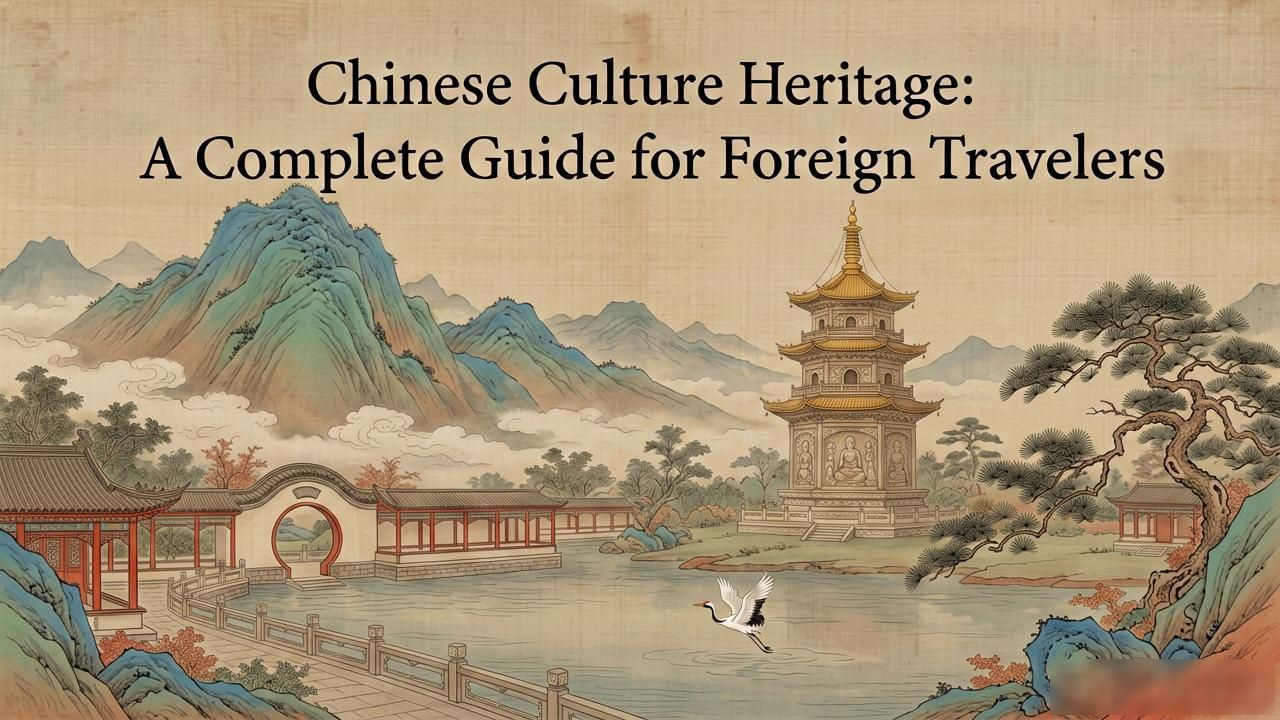
The philosophical foundations of Chinese heritage — Confucianism, Daoism, and Buddhism as practiced in China — have influenced art, governance, and daily life across the region. The concept of harmony between humanity and nature, expressed through classical gardens, landscape painting, and Feng Shui, reflects a worldview quite different from Western traditions.
Best ways to experience it
For foreign travelers, the most memorable experiences come from visiting UNESCO World Heritage sites and engaging with local communities. Xi’an’s Terracotta Warriors offer an awe-inspiring encounter with Qin Dynasty history, while the ancient city of Pingyao preserves Ming and Qing era architecture in remarkable condition. These places provide context that guidebooks alone cannot deliver.

Beyond famous sites, smaller towns and villages hold treasures waiting to be discovered. The water towns near Suzhou and Hangzhou, with their canals and classical gardens, represent a different side of Chinese heritage — one focused on elegance,scholarship, and refined living. Visiting during a local festival transforms the experience entirely, as residents share customs that outsiders rarely witness.
Learning basic Mandarin phrases and showing genuine interest in local traditions goes a long way. Many heritage sites offer guided tours in English, but hiring a local guide often reveals stories and perspectives that standard tours miss. Supporting community-based tourism ensures that the benefits of cultural heritage reach the people who maintain it daily.