

Most foreigners picture China as towering skyscrapers, the Great Wall, or the terraced hills of Guilin. They rarely expect a tropical wilderness hiding in the southern provinces. Yet beneath the well-trodden tourist trail lies a region that rivals any jungle in Southeast Asia. Tropical China is a world apart from the temperate north, where humidity hangs heavy in the air, monkeys swing through dense canopies, and the coastline stretches into endless turquoise bays. This is the China that most guidebooks skip over entirely.
Where to find tropical China

Hainan Island is the obvious answer, but it deserves a closer look. Sanya gets all the attention for its resort strips and cruise ships, yet the real magic lies further inland. The central mountain range hosts ancient rainforests where waterfalls plunge into natural pools and rare orchids cling to mossy trunks. Rent a scooter, wander off the main roads, and you might stumble upon a Miao village that has changed little in centuries. The island rewards slow exploration far more than the polished beach zones ever could.
Yunnan province offers a different kind of tropical experience. Xishuangbanna, bordering Laos and Myanmar, feels like stepping into a completely different country. The tropical monsoon forest here is one of the most biodiverse places in all of China. Elephants roam freely in certain reserves, and the Dai ethnic minority maintains traditions that connect them to the surrounding jungle. Night markets pulse with exotic fruits, grilled insects, and herbal teas sold by vendors who have grown up in this climate. It is China’s best-kept secret, and it shows no signs of losing its charm anytime soon.

What to know before you go
The climate here demands respect. Summer temperatures routinely exceed 35 degrees Celsius with humidity that makes the air feel thick enough to drink. Rain arrives in heavy, sudden bursts that can flood roads within minutes. The best visiting window runs from October through March, when the weather stays warm but bearable and the forests are at their most vibrant. Travelers arriving from Europe or North America often underestimate how intensely this heat affects the body. Pack light, breathable clothing and never attempt long hikes during midday.
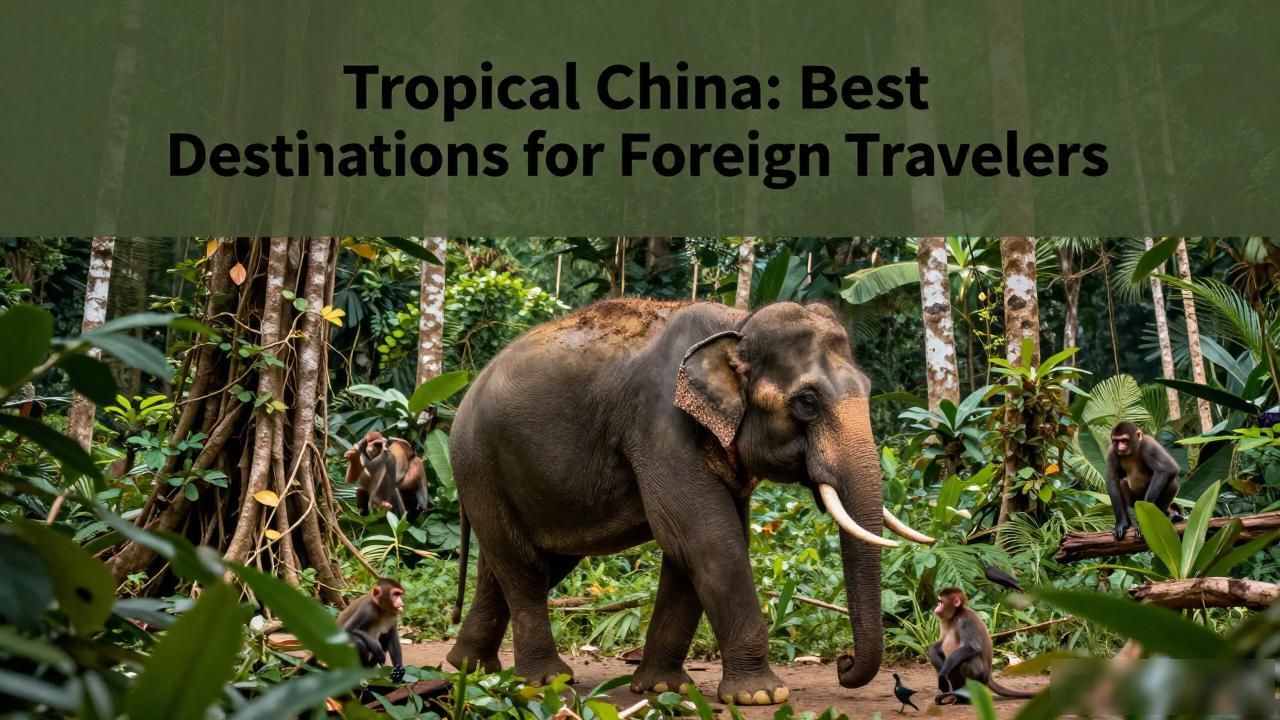
Wildlife in tropical China is fascinating but elusive. You will not find safari-style animal encounters here. Most creatures stay deep within protected reserves where visitor access is strictly controlled. The Asian elephant population in Xishuangbanna numbers only a few hundred,and spotting one requires patience and local knowledge. Respect the boundaries of nature reserves — they exist for good reason. What you will find are incredible birds, colorful frogs, and insects that seem almost alien. The forest floor teems with life if you slow down enough to notice it.
Food in these regions reflects the tropical climate and nearby Southeast Asian influences. Sticky rice, lemongrass, coconut, and chili feature prominently in local cuisine. Street food is abundant and generally safe, though travelers with sensitive stomachs should proceed carefully. Mangoes and papayas ripen year-round and cost pennies. Try the local beer brewed from rice — it pairs surprisingly well with the spicy dishes flooding the night markets. The culinary scene here is an adventure in itself, far removed from the familiar flavors found in Beijing or Shanghai.