
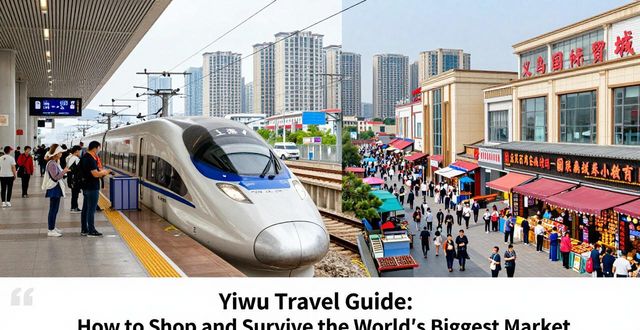
If you’ve ever wondered where all those cheap gadgets,圣诞 ornaments, and party supplies on Amazon or at your local dollar store come from, the answer is often a small city in China called Yiwu. Known as the world’s largest wholesale market for small commodities, Yiwu attracts thousands of international buyers every year. Whether you’re a seasoned importer or a curious traveler, this guide will help you navigate the chaos, save money, and actually enjoy the trip.
Best time to visit Yiwu
The ideal months to visit Yiwu are April to May and September to November. Summers here are hot and humid, while winters can be chilly with no indoor heating in many budget hotels. Avoid China’s Golden Week (first week of October) and the Spring Festival (late January to February), because the whole market shuts down for holidays. If you come just after a major holiday, you’ll find fresh inventory and fewer crowds. Many regular buyers prefer Tuesday through Thursday — weekends are packed with domestic visitors and some stalls close early.

How to get to Yiwu from Shanghai
Most international travelers fly into Shanghai Pudong or Hongqiao airport. From there, take a direct high-speed train from Shanghai Hongqiao Railway Station to Yiwu Railway Station. The trip takes about 1.5 hours, and tickets cost around 70–80 RMB (10–12 USD). Book your train via or the official 12306 app at least a few days ahead. Once you arrive at Yiwu Railway Station, the market is about 20 minutes by taxi (roughly 30 RMB). Don’t take unlicensed touts offering rides – use Didi or the official taxi queue.
Where to stay near Yiwu market
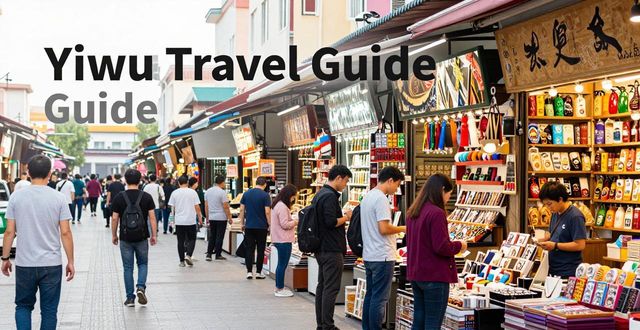
For serious shopping, pick a hotel walking distance to District 1 of the Yiwu International Trade City. The Marriott Yiwu and the Crowne Plaza are popular choices with English-speaking staff and shuttles. Mid-range options like the Yiwu Jiayi Hotel (around 300–400 RMB per night) are clean and close. If you’re on a tight budget, try one of the many “foreign trade hostels” on Chouzhou Road. But check recent reviews – some older buildings have mold or noisy construction. Always ask for a quiet room facing away from the main road, because trucks start rolling at 5 AM.
Shopping tips for Yiwu market
The market is huge – five districts spread over 5 million square meters. District 1 sells toys, ornaments, and jewelry; District 2 has bags, umbrellas, and hardware; District 3 is for office supplies and stationery; District 4 focuses on daily chemicals, socks, and zippers; District 5 brings you imported goods and healthcare products. Bring comfortable shoes, a calculator, and business cards. Most vendors expect you to buy in bulk (minimum order quantity often 12–144 pieces). Ask for a sample first – pay a small deposit, then bargain hard. A good rule: start at 60% of their quoted price and settle around 70–80%. Use WeChat Pay or cash; small vendors may not take foreign credit cards.
Shipping and logistics made simple
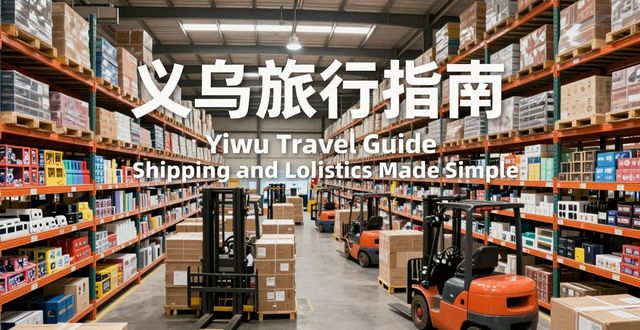
Don’t try to carry everything back in your suitcase. Right outside the market, you’ll find dozens of freight forwarders offering consolidated sea or air shipping to the US, Europe,and Africa. Get quotes from at least three. They’ll help you wrap pallets, handle customs paperwork, and track your goods. For small quantities, use the on-site post office in District 2 – surface mail takes 6–8 weeks to the USA but costs very little. Always photograph your packed boxes and keep the waybill number. And never forget: declare the real value, or you risk seizure at your home customs.
Now tell me – what’s the one product you’d love to source from Yiwu for your own business or side hustle? Drop a comment below, and if this guide saved you time, hit share to help a fellow traveler.