
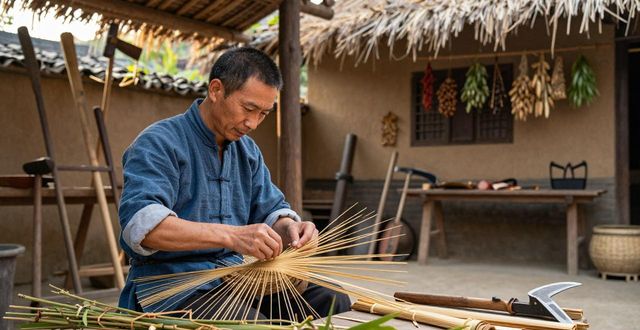
When exploring the hidden gems behind China’s booming modern facade, most visitors overlook the quiet,remarkable craft traditions preserved in its mountain villages, farming valleys and remote ethnic communities. Rural Chinese handicrafts are not just decorative trinkets sold at market stalls — they are living cultural carriers tied to agricultural cycles, generational family knowledge and the unhurried rhythm of countryside life. Each woven strip, fired clay piece or stitched pattern holds hundreds of years of accumulated skill, village history and local aesthetic that cannot be replicated by mass factory production.
Where do rural China handicrafts come from
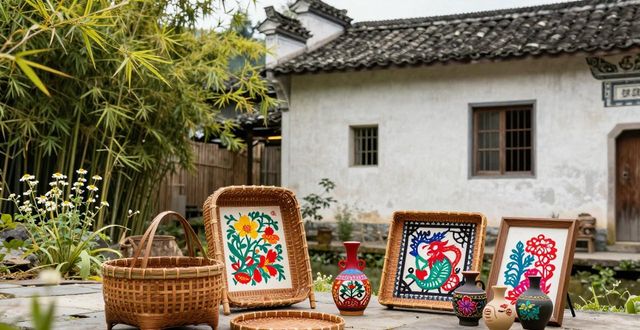
Every traditional craft in rural China traces its roots to the specific natural environment of the local village. In mountainous southern areas famed for year-round mild rainfall, people developed intricate bamboo weaving techniques to turn wild mountain bamboo strips into daily farm baskets, cooling summer mats and delicate storage boxes. Villagers living by fertile river banks learned hand-kneading pottery over generations, using local clay from the riverbed to make durable cooking jars, wine containers and ornamental figurines that match their quiet agrarian lifestyle.

Many of these craft origins stretch far back centuries as functional tools for daily survival rather than art pieces. When early rural communities lacked modern factories transporting daily supplies, skilled local artisans used the exact raw materials growing around them to craft essential household goods that suited daily use perfectly. Over long years, the initial only practical tools slowly gained richer cultural meanings, with artisans adding tiny decorative patterns that marked village festivals, family ceremonies and ancient local folk beliefs step by step.
How are these handicrafts made traditionally
Unlike fast-paced modern industrial manufacturing, most rural Chinese handicraft creation follows slow, gentle human-controlled workflows with zero machine intervention. For the renowned indigo batik art practiced by ethnic Miao villages in southwest China, farmers harvest indigo plants grown around their own fields in summer, process the plant into natural dye over more than a month’s time, then use old aged copper pens to draw detailed totem patterns on plain white hand-woven cotton cloth before finally dyeing these pieces several times to get their signature soft, muted blue shades.
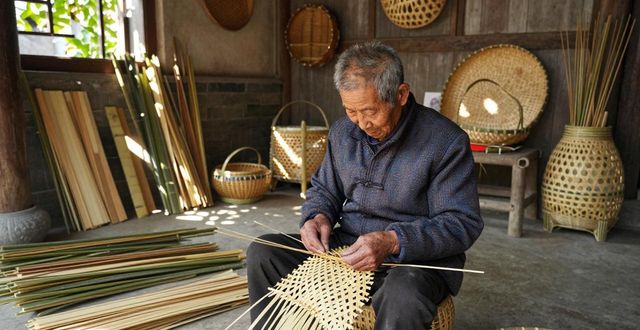
The entire handicraft production process is frequently passed exclusively within a single family through generations, with elderly artisans teaching their kids every small subtle skill while they work, never writing operation textbooks down formally. For example, bamboo weavers will explain the right tension each strip needs when you pull it, the exact method the bamboo should be smoked so it does not get mildewed during rainy seasons, and little personal tricks picked up after dozens of years spent perfecting their craft to keep pieces sturdy light as well as beautiful.
What do rural China handicrafts represent now
While industrial mass produced cheap goods flood rural markets these days, these traditional handicrafts stand out surprisingly strong carrying quiet sense of local identity that nothing else matches. Many small village young people who moved to large east coast cities for factory jobs in past decades are now choosing returning home, planning new creative designs combining age-old weaving woodworking and clay arts into modern items — light cotton patterned handbags, minimal style drinkware, practical home decor that today’s global buyers would love to purchase daily and proudly display.
Lots of these creative renewed rural handicraft projects also genuinely help improve life quality in those once forgotten remote communities, steadily providing steady sustainable work opportunities for elder master artisans young new creators without people leaving their cherished hometown lands. Buyers get pieces that comes packed full of real honest authentic story warm human touch no product automated lines will ever produce at all.
Recently rural Chinese handicraft goods are entering global market thanks booming cross border craft online platforms reaching more collectors hand craft admirers over whole world all around. All these beautiful quiet patient art treasures will definitely keep sharing special unique Chinese countryside genuine charm story waiting discovery by everyone worldwide across the globe. What is one rural folk handicraft from any country that you find personally fascinating enough to collect proper handcrafted piece someday?