

China‘s digital ecosystem is a maze for foreign travelers. No WeChat means no QR payments, no Baidu Maps means you are lost on the wrong side of a six-lane highway. Before you land, you need the right travel apps for China already installed on your phone. Here is what actually matters and what you can safely skip.
What travel apps for China do you need

The non-negotiables: Alipay and WeChat Pay cover roughly ninety percent of transactions in cities like Shanghai, Chengdu, and Beijing. Download both, link a foreign credit card during setup, and you stop fumbling through a wallet of small bills at every single cart. For navigation, Baidu Maps outperforms Google inside China. It reads local GPS signals, shows real-time bus and subway routes, and turns you into a person who knows where they are instead of a person staring at a grey, blank map screen.
I also keep on my phone for hotel bookings that sync directly with Chinese payment systems. One tap to confirm, no calling a front desk in broken Mandarin at two in the morning.
How travel apps for China handle payments
This is where most tourists get genuinely stuck. Alipay accepts Visa and Mastercard, but the setup flow shifts every few months and the menus change without warning. Open the app, tap Add Card, enter your number, and you will need your passport for identity verification. Five minutes of patient tapping, and suddenly you can scan QR codes at street vendors, subway turnstiles, and that tiny noodle shop tucked into an alley behind your hostel.
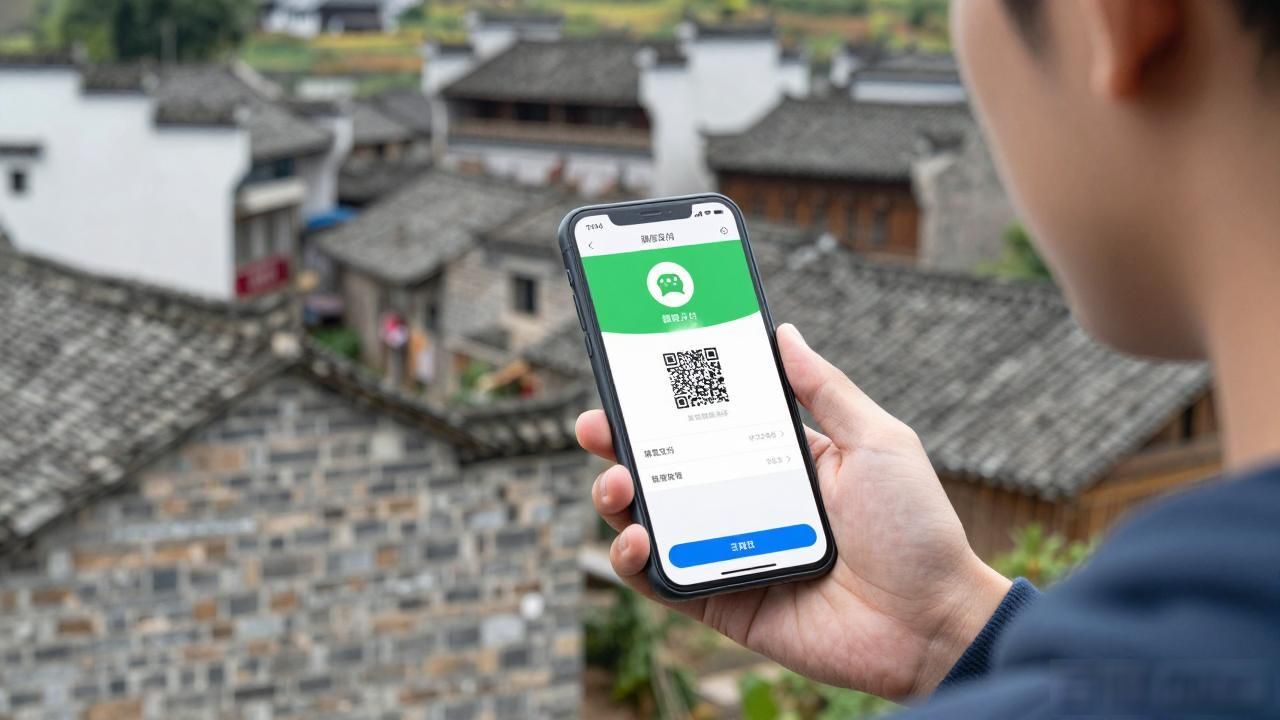
WeChat Pay is your fallback. Less intuitive for outsiders, absolutely,but it pops up in smaller towns and rural areas where Alipay has thin coverage. Install it so you always have a second option.
Download everything the night before your flight. The airport Wi-Fi login wants a Chinese phone number you do not have, and your battery will be sitting at eleven percent after a red-eye. Twenty minutes of quiet setup at home saves a full day of confused, mapless wandering on the ground.