
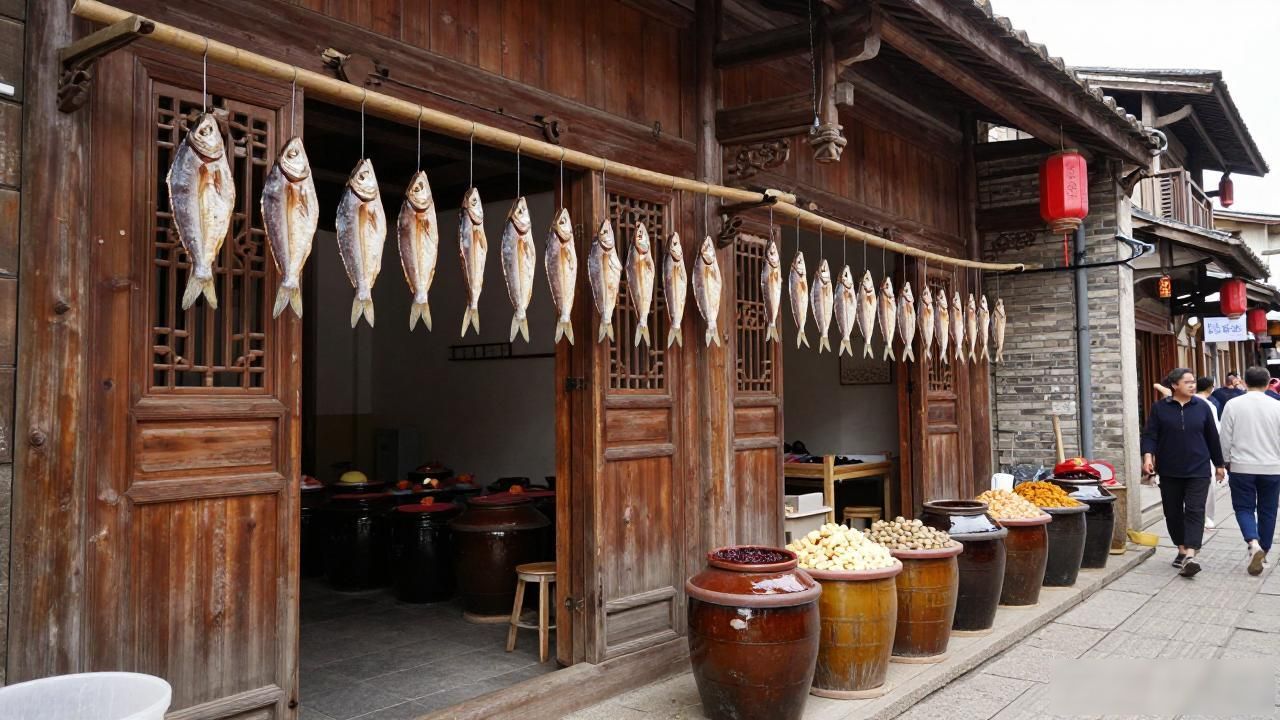
Walking through an old town in China, narrow lanes are lined with small shops selling handmade ceramics, herbal remedies, and hand-forged tools. These old town shops in China are not just buying spots. They are living windows into how Chinese communities have operated for centuries, and each one tells a story the glossy malls never will.
What do old town shops in China sell

The goods vary wildly by region. In Fuzhou’s ancient city, you’ll find family-run shops specializing in dried fish and fermented soy products that have been made the same way since the Ming dynasty. In Pingyao, one lane might hold a calligraphy scroll shop right next to a gunpowder crackers stall, and the owner will strike one for you to watch. What unites them all is the handmade quality. Nothing on the shelf was pressed out of a factory mold, and you can feel the difference the moment you pick something up.
Beyond the obvious souvenirs, look for less glamorous items. Bamboo weaving,medicinal moxa rolls, iron cookware seasoned with decades of use. A shop in a Chengdu old lane might sell hand-ground Sichuan peppercorns that no supermarket aisle can replicate. The owner grinds them right in front of you, and the sharp citrusy smell fills the entire street.
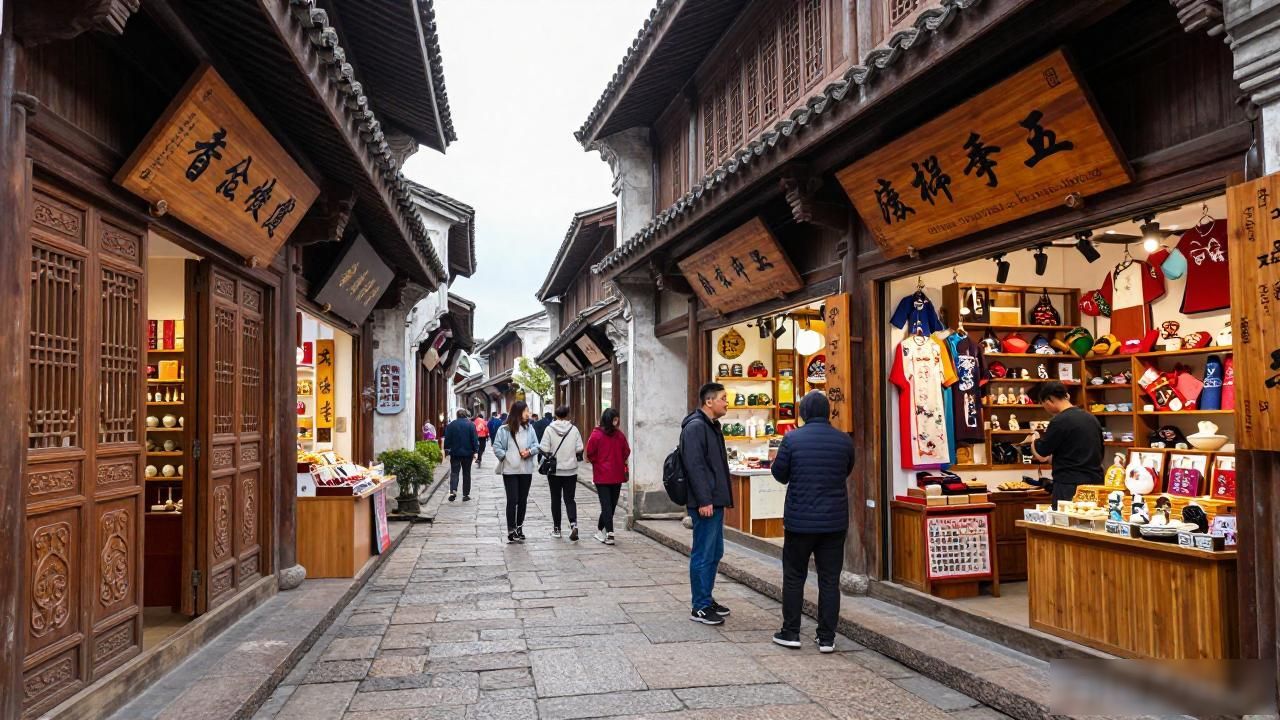
Where to find old town shops in China
The best old town shops in China cluster in preserved historical districts. Pingyao in Shanxi, Lijiang’s Old Town in Yunnan, Zhenjiang in Jiangsu—all keep their original grid layouts. You will need to walk past the first street of souvenir magnets and dive into the side lanes where locals still do their daily shopping. The deeper you go, the less performative everything becomes.
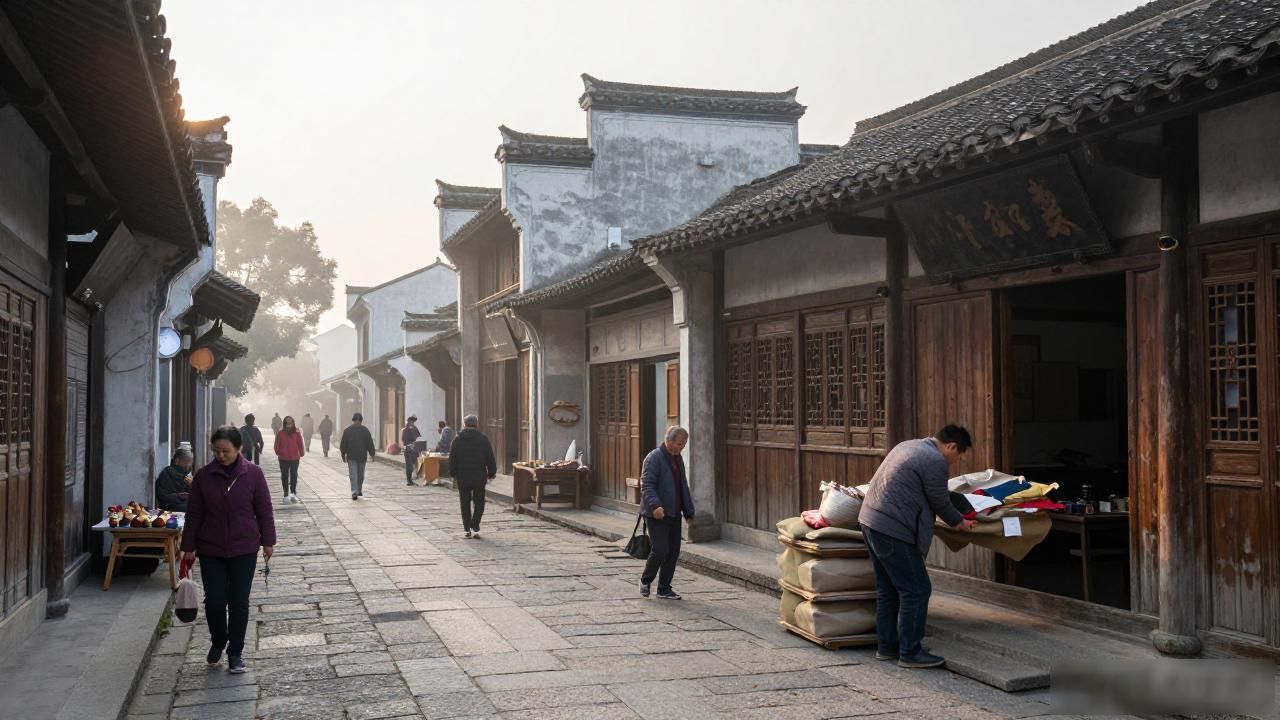
Timing matters more than most travelers realize. Arrive before ten in the morning when owners are still unpacking goods from the back room. By noon the tourist crowd hits and the whole atmosphere shifts. A quiet Tuesday with rural families browsing makes the shopping feel genuine rather than staged for cameras.
These small shops will keep changing. Some will close, replaced by phone repair counters or glass tea kettles. Others will pass to a third or fourth generation. Visiting one on a slow Tuesday, watching an old man arrange his wares with zero rush, is an experience no online review can fully capture. The town moves at its own pace, and you just follow.