

When planning a trip to China, few experiences rival the magic of seeing giant pandas in their natural or carefully curated habitats. Panda viewing in China is not just about spotting a black-and-white bear; it’s an immersive journey into conservation, culture, and breathtaking landscapes. From the misty mountains of Sichuan to research centers leading global preservation efforts, this guide will walk you through everything you need to know for an unforgettable panda encounter.
Best places to see pandas in China

Sichuan province is undeniably the heart of panda territory. The Chengdu Research Base of Giant Panda Breeding offers the most accessible and well-organized viewing experience. Here, you can watch playful cubs tumble on grass and adult pandas munch bamboo just meters away. For a more natural setting, head to the Wolong National Nature Reserve, where pandas roam in larger enclosures that mimic wild forests. Another hidden gem is the Bifengxia Panda Base in Ya’an, known for its lush valley environment and successful release programs. Each location provides unique photography and learning opportunities, so consider visiting more than one if time allows.
When to go for panda viewing
Timing can make or break your panda viewing adventure. The best months are spring (March to May) and autumn (September to November), when temperatures are mild and pandas are most active. Avoid summer heat, as pandas tend to sleep inside air-conditioned dens during peak afternoon hours. Arrive right when the centers open at 8:00 or 8:30 AM – that’s when keepers scatter fresh bamboo and the bears are at their liveliest,often wrestling or climbing trees. Winter visits offer smaller crowds and a chance to see pandas frolicking in snow, but some outdoor areas may be restricted. Always check local holiday schedules; Chinese National Day week (October 1-7) brings massive domestic tourism.

How much does panda viewing cost
Budget expectations vary depending on the center and add-ons. Standard entrance fees range from 55 to 100 RMB (roughly 8-15 USD). For a deeper experience, many bases offer “panda keeper” programs: you can clean enclosures, prepare bamboo cakes, and observe medical checks. These programs cost between 500 and 2000 RMB per person (70-280 USD) and require advance booking. Some centers also allow “volunteer for a day” packages that include lunch and a certificate. Remember that transportation from major cities like Chengdu adds extra cost – private car hires start around 300 RMB per day, while public buses are cheaper but less flexible. Always carry cash as backup, though mobile payments like WeChat Pay are widely accepted.
What to know before you go
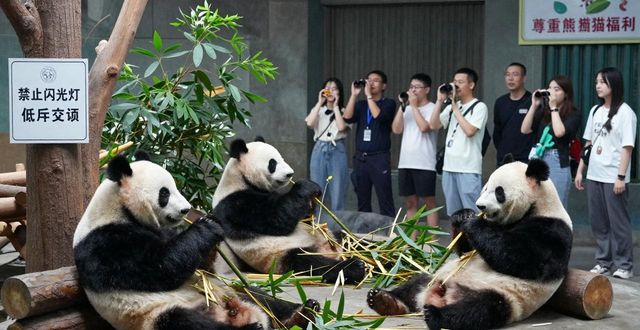
Respecting panda welfare is non-negotiable. Never use flash photography – it startles the animals. Keep your voice low and avoid tapping on glass enclosures. Feeding pandas your own snacks is strictly prohibited, as their diet requires precise control. Wear comfortable walking shoes, as bases can involve steep paths and long distances. Bring your own water and sunscreen, as on-site shops may be limited. Also, download a translation app like Pleco; while main centers have English signs, smaller ones may not. Lastly, book tickets online during peak seasons; many bases cap daily visitors to reduce stress on the pandas.
Now I’d love to hear from you – have you already planned your panda trip, or are you still deciding which base to explore first? Drop your questions or tips in the comments below, and don’t forget to share this guide with fellow wildlife lovers. If you found this helpful, give it a thumbs up and follow for more insider travel advice!