
When planning a trip to China, safety is likely one of your top concerns. The good news is that China is generally a very safe country for travelers, with low violent crime rates and a well-developed infrastructure. However, like anywhere else, being prepared and aware of local customs, transportation rules, and health precautions can make your journey smoother and more enjoyable. This guide provides practical, up-to-date advice to help you navigate China confidently.
Staying Safe on Public Transport

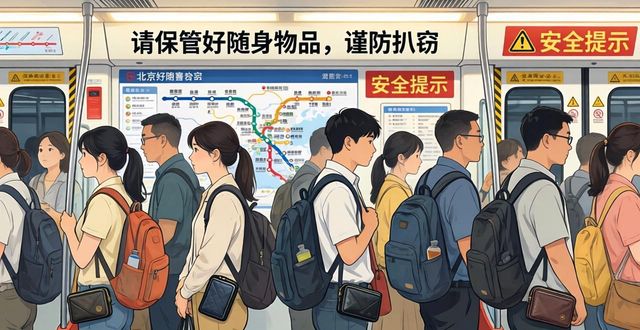
China’s public transportation system is vast and efficient, but knowing a few tips will help you avoid common pitfalls. On subways and buses, always keep your backpack or purse in front of you, especially during rush hours in cities like Beijing or Shanghai. Pickpocketing is rare but can happen in crowded stations. When using ride-hailing apps like Didi, verify the license plate before getting in, and share your trip details with a friend. For high-speed trains, arrive at least an hour early to clear security, and never leave your luggage unattended.
Health and Food Safety Basics
Food poisoning and altitude sickness are two issues travelers sometimes face. Stick to busy restaurants with high turnover – if locals are eating there, it’s likely safe. Avoid raw salads or unpeeled fruits from street vendors, but cooked noodles, dumplings, and roasted meats are fine. Tap water is not drinkable anywhere in China; always buy bottled or boiled water. For remote areas like Tibet or Sichuan’s highlands, spend a day acclimating before hiking. Carry a basic first-aid kit with diarrhea meds and antiseptic wipes.
Avoiding Scams and Tourist Traps
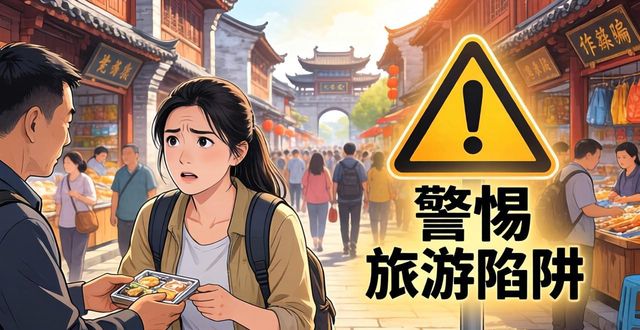
Scams targeting foreigners are uncommon but exist in major tourist hubs like the Great Wall, Shanghai’s Bund, or Xi’an’s Terracotta Army. One classic trick is the “tea ceremony scam” – friendly locals invite you for tea, then present an exorbitant bill. Another is the “art student” who asks you to buy overpriced paintings. Politely say “bù yào, xièxie” (no thank you) and walk away. Only use official ticket counters or reputable websites like for tours. Never hand your passport to a stranger for any reason.
Emergency Numbers and Cultural Awareness

In an emergency, dial 110 for police,119 for fire, and 120 for ambulance – English-speaking operators are available in major cities. Before you go, save your embassy’s contact info and register with their STEP program. Also, respect local customs to avoid misunderstandings: don’t take photos of military buildings or public protests (illegal), and avoid discussing Tibet, Taiwan, or Xinjiang with strangers. When visiting temples, cover your shoulders and knees. Simple gestures like smiling and learning “ní hǎo” (hello) go a long way.
What’s one safety tip you’ve found most useful while traveling abroad – or do you have a specific question about China? Share your thoughts in the comments, and if this guide helped you, please give it a like and share it with fellow travelers!