
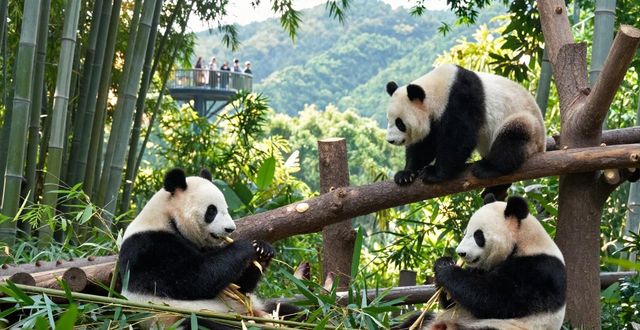
Giant pandas are China’s national treasure and one of the world’s most beloved animals. For international travelers, watching these black-and-white creatures in their natural or semi-natural habitats is often a once-in-a-lifetime experience. This guide provides practical, up-to-date advice on where to go, when to visit, how to book tickets, and what to expect during your panda viewing journey in China.
Where to see giant pandas in China

The best place to observe pandas is Chengdu, the capital of Sichuan Province. The Chengdu Research Base of Giant Panda Breeding is the most famous facility, home to over 200 pandas. Here, you can see pandas of all ages, from playful cubs to calm adults. Another excellent location is the Dujiangyan Panda Base, which focuses on panda disease control and release training. For a more wild-like experience, the Wolong National Nature Reserve offers a mountainous setting where pandas live in larger, forested enclosures. Bifengxia Panda Base in Ya’an is also a top choice, especially for seeing pandas that are being prepared for release into the wild. Each site has its own strengths, so choose based on your schedule and interests.
What is the best time for panda viewing
Timing your visit can greatly enhance your experience. The best months are from March to May and September to November, when the weather in Sichuan is mild and comfortable. Summer (June to August) is hot and humid, and pandas tend to stay inside air-conditioned rooms during peak heat hours. Winter (December to February) is cold but less crowded, and pandas are often more active in the morning. Regardless of season, always arrive early – before 9:00 AM – because pandas are most active during feeding time in the morning. Afternoon hours usually find them sleeping or resting. Also check the base’s schedule for cub births (usually August to September), but note that the nursery may be closed to visitors during that period.

How to book panda viewing tickets
Most major panda bases now offer online booking through official WeChat mini-programs or websites. For international travelers, you can also use platforms like or Klook, which provide English interfaces. Tickets typically cost between 55 and 200 RMB (about 8 to 30 USD), depending on the base and season. Some bases, like the Chengdu Research Base, limit daily visitor numbers, so book at least one to two weeks in advance – especially during Chinese holidays (May Day, National Day, and Spring Festival). Avoid third-party scalpers at the gate; they often charge double or send you to fake panda parks. If you want a closer encounter, some bases offer “panda keeper” programs where you can clean enclosures or prepare food – these cost several hundred USD and must be booked months ahead.
What to expect during your visit
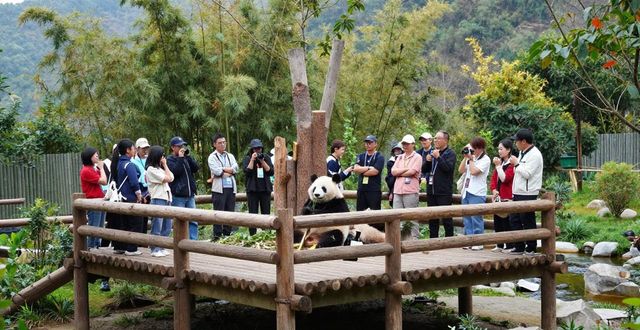
When you arrive, expect crowds – even on weekdays. The viewing areas are usually wooden platforms with barriers, and you’ll be surrounded by dozens of other excited visitors. Keep your voice low and do not use flash photography, as pandas are sensitive to loud noises and bright lights. Many bases have glass-walled indoor exhibits for hot days and large outdoor playgrounds with bamboo forests, slides, and climbing frames. You’ll see pandas eating bamboo (they spend 14 hours a day doing so), sleeping in odd positions, or playfully wrestling. Don’t feed them or throw anything into the enclosures – strict rules are enforced, and violators can be fined or banned. Plan for at least three hours at a single base. Also wear comfortable walking shoes and bring water, as the bases are large and involve a lot of walking.
Planning your panda viewing trip in China takes some research, but the reward is unforgettable. Have you already decided which panda base you want to visit, or do you need more tips on transportation and accommodations? Share your thoughts or questions in the comments below, and don’t forget to like and share this guide with fellow panda lovers!