

When planning a trip to China, your smartphone will become your most essential travel companion. The digital ecosystem in China is unique and powerful, offering apps that handle everything from navigation and payments to food delivery and social connections. Understanding which apps are truly popular and useful can make the difference between a frustrating journey and a seamless adventure. Based on my experiences traveling across Beijing, Shanghai, and rural Yunnan, here are the must-have apps that every foreign visitor should download before boarding the plane.
Which payment app works best for foreigners

WeChat Pay and Alipay are the undisputed kings of mobile payment in China. Nearly every transaction, from street food stalls to high-end department stores, happens through these two apps. For foreigners, Alipay has recently become more accessible by allowing international credit card linking. Simply download Alipay, select your language, and add your Visa or Mastercard. You can then scan merchant QR codes or let them scan yours. WeChat Pay requires a local bank account or a Chinese friend to send you money, so Alipay is the safer bet for short-term visitors. Keep a small amount of cash as backup, but expect to use Alipay everywhere, including subway ticket machines and shared bikes.
How to navigate without Google Maps
Google Maps is blocked in China, so you need reliable alternatives. Baidu Maps and Amap (Gaode) are the top choices. Both offer precise driving, walking, and public transit directions. However, their interfaces are entirely in Chinese,which can be intimidating. A practical workaround is using Apple Maps if you have an iPhone, as it works surprisingly well inside China with English labels. Another trick is to pre-download offline maps from Maps.me or use the translated version of Baidu Maps via screenshot and Google Translate. For metro systems only, the app “Metro China” provides clear English route planners for over 30 cities. Learning to read pinyin names of your destinations will dramatically improve your navigation experience.

What app replaces Uber and Didi
Didi Chuxing is the absolute go-to for ride-hailing. It absorbed Uber’s China business years ago and now dominates the market. The good news is Didi has a built-in English version. Download the app, switch to English, and register with your international phone number. You can pay directly with Alipay, so set that up first. Didi offers economy, premium, and even taxi-hailing options. The fare is shown upfront, and you can chat with the driver via auto-translated messages. For shorter trips, don’t ignore the blue and yellow shared bikes. Alipay’s “Hellobike” or WeChat’s “Meituan Bike” can be unlocked by scanning the QR code on the bike – just deposit a small refundable fee and you’re ready to explore like a local.
Which app finds the best local food
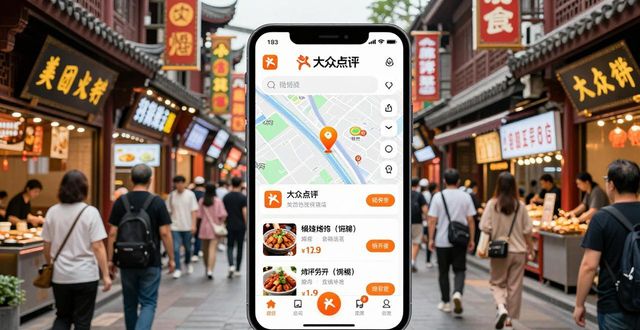
Forget Yelp – Dianping (now integrated into Meituan) is China’s crowdsourced restaurant review giant. Locals use it to find everything from hole-in-the-wall noodle shops to fine dining. The app is fully in Chinese, but you can use its built-in “nearby” search or simply show the restaurant name to a taxi driver. A more foreigner-friendly alternative is “The Fork” or using ’s dining section. But here’s a pro tip: install WeChat and scan the QR code on restaurant tables to see an English menu or order directly. Many trendy restaurants in Shanghai and Beijing now support English ordering via WeChat mini-programs. For food delivery, “Eleme” (within Alipay) and “Meituan Waimai” are fantastic – they work with your hotel address and accept Alipay payment, bringing hot meals to your door in 30 minutes.
After reading this guide, which of these essential China travel apps are you most excited to try on your upcoming trip? Share your thoughts in the comments, and don’t forget to like and share this article with fellow travelers planning their Chinese adventure.