
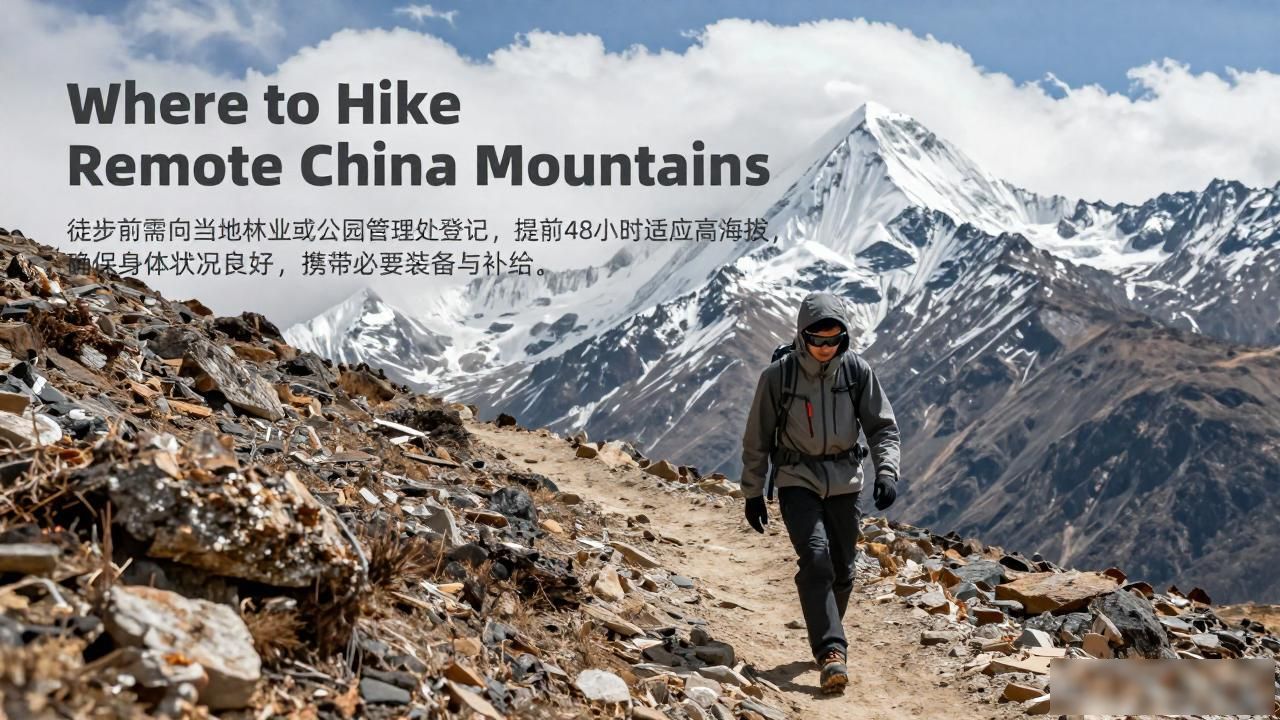
Hiking remote China mountains remains one of the last great trail adventures genuinely open to Western hikers. The ranges across western Sichuan, Yunnan, and Qinghai hold peaks that rival the Himalayas in drama yet sit far outside any tourist corridor. After fifteen years leading small groups up these ridgelines, the line I give every new client is the same: the mountain is real, the path is thin, and the reward is something no virtual-reality headset can simulate.
Is hiking remote China mountains safe

The short answer: yes, with proper preparation. Most remote routes require you to register with the local forestry or park management office at least two days before departure. Altitude above 4,000 meters is standard on these trails, which means altitude acclimatization of at least 48 hours is non-negotiable. I’ve watched fit climbers from Colorado black out on the Daxue Shan shoulder simply because they skipped that step and pushed straight to 4,800 meters on day one. Their bodies simply hadn’t adapted, and the mountain doesn’t negotiate.
Storm season runs from June through August, and a ridge that looks manageable at dawn can become a wet, treacherous scramble by mid-morning. Check the local weather station in Kangding or Lijiang the morning you start, and build a 12-hour buffer into your itinerary for unexpected rain or fog. Cell service is essentially zero above 3,500 meters,so a satellite messenger is the one piece of gear I never leave at home.
What to expect hiking remote China mountains
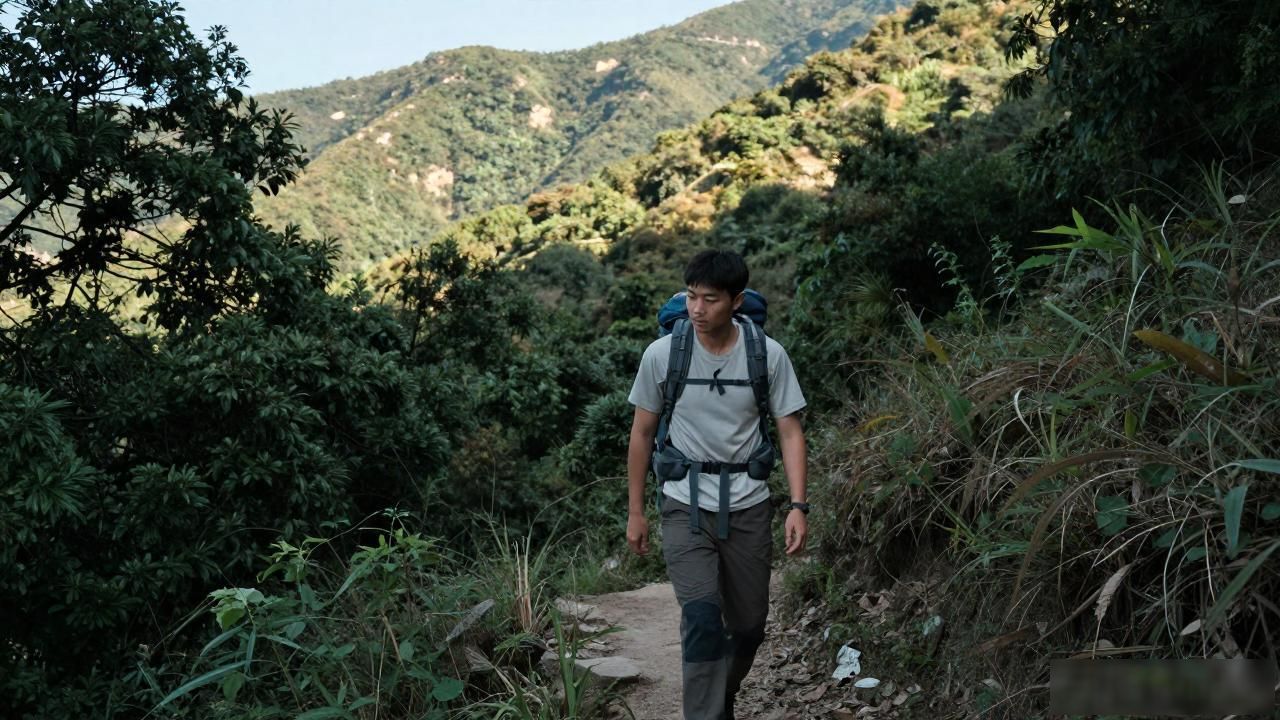
Terrain-wise, expect loose scree fields, knife-edge ridges, and open alpine meadows that switch between a wildflower carpet in July and bare, frozen rock by September. Trails are marked in places, but erosion and seasonal snow wash out cairns fast. A loaded GPS track plus a paper topographic map is your absolute minimum safety gear. My team always prints two backup routes in case the main line is blocked by avalanche debris or a summer landslide.
The social side surprises most people. Village teahouses still dot the lower valleys, and a bowl of yak-butter tea costs about two dollars. Above 4,200 meters, the only company you’ll have is the wind. Some hikers find that silence maddening after the first night out. Others describe it as the first real quiet they’ve felt in years, and they come back specifically for that. One client told me she cried on a flat boulder at 4,500 meters just because nobody was asking her to check her phone.
Remote China mountain hiking is not a weekend errand. Plan a ten-day minimum, respect the altitude curve, and let the landscape do the talking. The peaks don’t care where you came from. They only care that you show up prepared.