
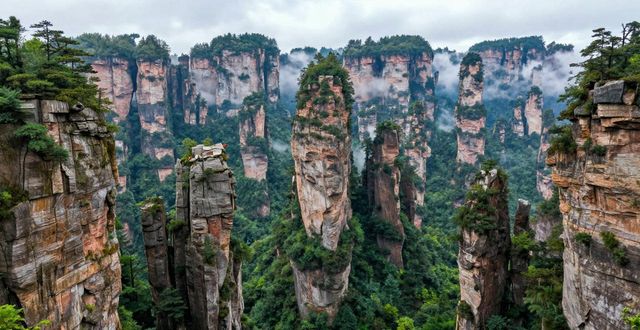
Zhangjiajie’s natural beauty is nothing short of breathtaking. Located in China’s Hunan Province, this UNESCO World Heritage site features thousands of towering sandstone pillars, lush forests, and hidden waterfalls. For foreign travelers seeking unspoiled landscapes and adventure, Zhangjiajie offers a unique blend of geological wonders and cultural charm. Whether you’ve seen the floating Hallelujah Mountains in Avatar or just dream of hiking through misty peaks, this destination promises memories that last a lifetime. Let me walk you through what makes this place so extraordinary and how to experience it fully.
What makes Zhangjiajie’s landscape so unique

Unlike typical mountain ranges, Zhangjiajie’s pillars are quartz-sandstone formations shaped by millions of years of erosion. Over 3,000 of these narrow towers rise from the ground, some reaching over 200 meters high. The most famous is the Southern Sky Column, which inspired the floating mountains in James Cameron’s film. Vegetation clings to vertical cliffs,and clouds often wrap around the peaks, creating a surreal, otherworldly view. You won’t find anything quite like this anywhere else on Earth. Geologists still study how these pillars remain standing despite their slender shapes.
How to explore the natural wonders safely
The park has well-marked trails, but the terrain can be steep and slippery. Wear sturdy hiking boots and carry rain gear, as weather changes quickly in the mountains. The glass-bottomed bridge at Zhangjiajie Grand Canyon is a thrilling way to see the forest canopy below, but it’s not for the faint-hearted. For a less crowded experience, take the Bailong Elevator—the world’s highest outdoor lift—up to Yuanjiajie area. Local guides are available for hire, and many speak basic English. Stick to official paths, because straying off trail can be dangerous and damage the fragile ecosystem. Always check the park’s opening hours before you go.
When is the best time to visit Zhangjiajie
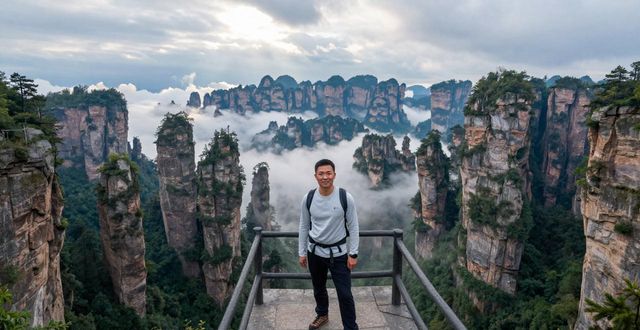
April through June and September through November offer the most pleasant weather. During these months, temperatures range from 15°C to 25°C, and rainfall is moderate. Spring brings blooming rhododendrons, while autumn paints the hills in gold and red. Summer can be hot and crowded, with occasional thunderstorms that may close cable cars. Winter sees fewer tourists, but some trails become icy and the views are often shrouded in fog. If you want to capture that classic misty-peak photograph, plan your trip around early morning hours after a light rain. No matter the season, always book accommodations in Wulingyuan town ahead of time.
Why protecting this natural heritage matters
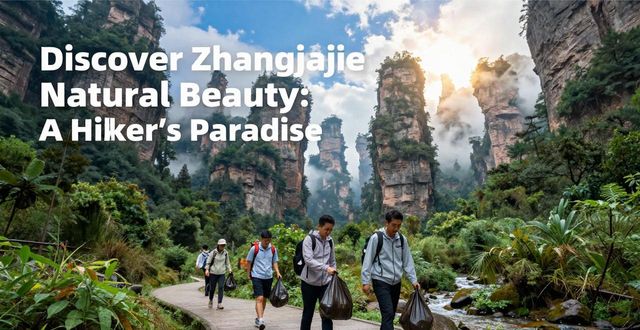
Tourism brings economic benefits but also risks like litter and trail erosion. The Chinese government has limited daily visitor numbers and banned plastic bags inside the park. As a traveler, you can help by staying on marked trails, carrying out all trash, and not feeding wildlife. The local Tujia people have lived in this area for centuries, and their traditions include a deep respect for the mountains. By visiting responsibly, you support conservation efforts and ensure future generations can enjoy Zhangjiajie’s natural beauty. Small actions—like using a refillable water bottle—make a real difference here.
Have you ever dreamed of hiking through a real-life fantasy landscape, and what would be the first thing you’d want to see in Zhangjiajie? Share your thoughts below, and don’t forget to like and pass this guide along to fellow nature lovers.