
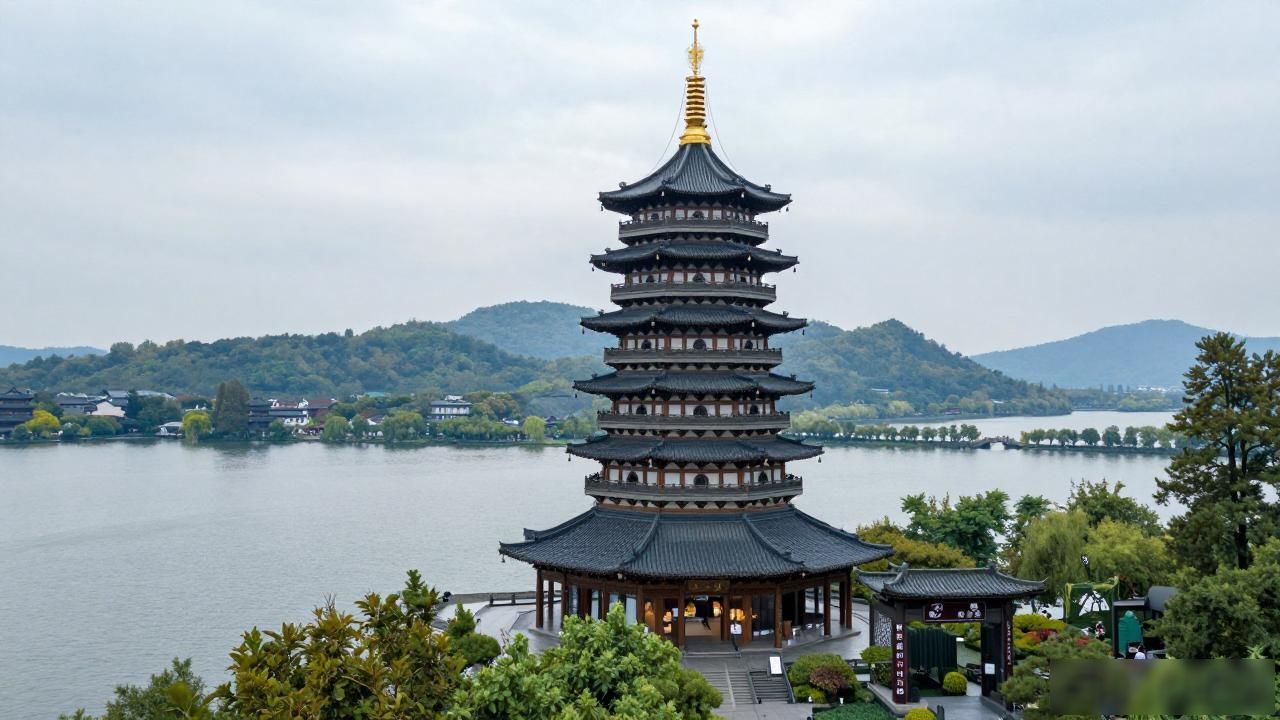
West Lake in Hangzhou is one of China’s most beautiful and culturally significant destinations. For travelers visiting from abroad, knowing which spots are worth your time can make all the difference. This guide covers the must-see attractions around the lake, practical tips for navigating the area,and a few hidden gems that most tourists overlook.
What Are the Best Sights Around West Lake?
The legendary Broken Bridge, or Duanqiao, is probably the most recognizable spot. It gets its name from an old legend about a snake spirit and carries romantic history. In winter, when snow falls, parts of the bridge appear broken because the sunny side melts faster. The view stretches across the lake with willow trees framing every angle.

Leifeng Pagoda stands tall on the southern bank and offers panoramic views of the entire lake. You can take an elevator inside or walk up the stairs if you prefer exercise. The original tower collapsed in 1924, but the current structure was rebuilt and now houses a museum with artifacts from the Five Dynasties period. Lighting up at night makes it even more impressive.
The Su Causeway runs north to south along the western edge of the lake. Planted with peach trees and willows, it becomes spectacular during spring when flowers bloom. Walking or biking along this path gives you multiple vantage points to photograph the water and surrounding hills. Many locals come here early morning for tai chi and exercises.
How Should You Explore the Area?
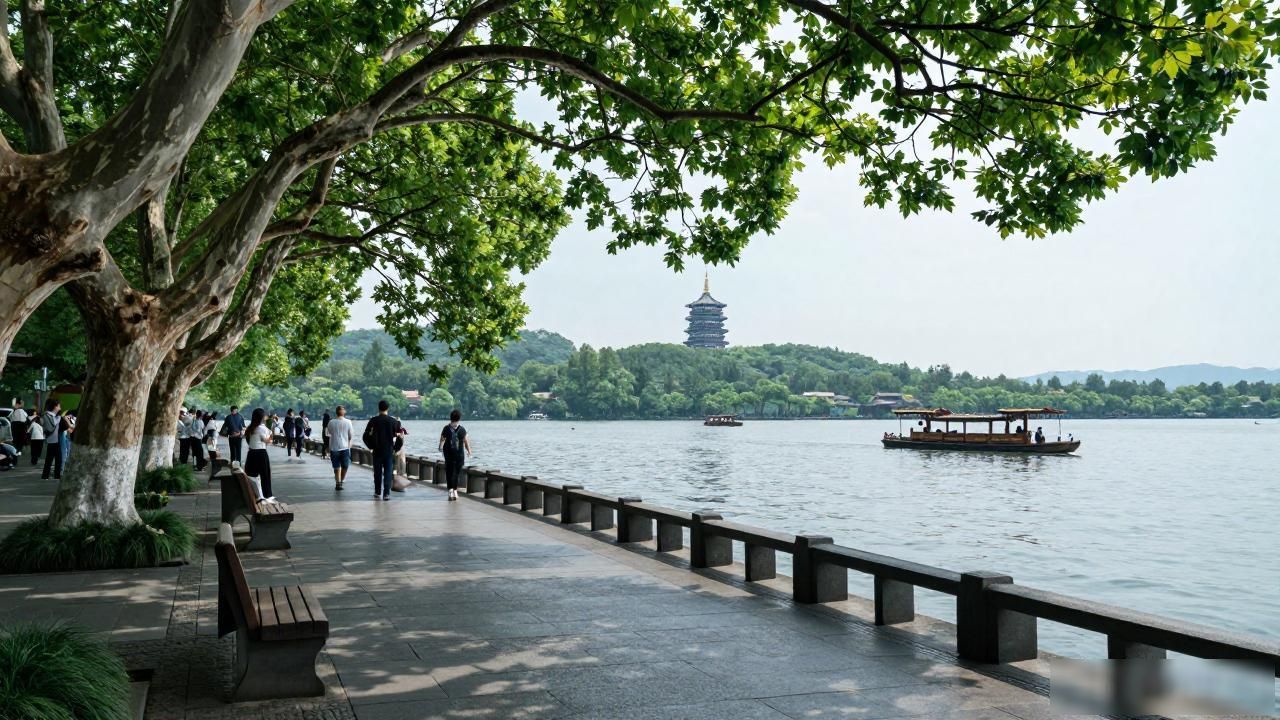
Walking remains the best way to experience West Lake at your own pace. The full perimeter stretches about 15 kilometers, so you can pick sections that interest you most. Some paths are shaded by ancient trees, which provides relief during hot summer days. Ferry boats connect different points along the shore and offer a relaxing break from walking.
For a unique perspective, consider a boat ride to the Three Pools Mirroring the Moon. This iconic scene appears on the five-yuan banknote and features three stone pagodas surrounded by lotus flowers. The area is best visited in the evening when lanterns reflect on the water surface.
Many visitors underestimate how large the scenic area really is. Wearing comfortable shoes and carrying water will prevent unnecessary fatigue. Electric buggies are available at certain locations if you need a quick ride between distant spots.
Are There Less Known Places Worth Visiting?
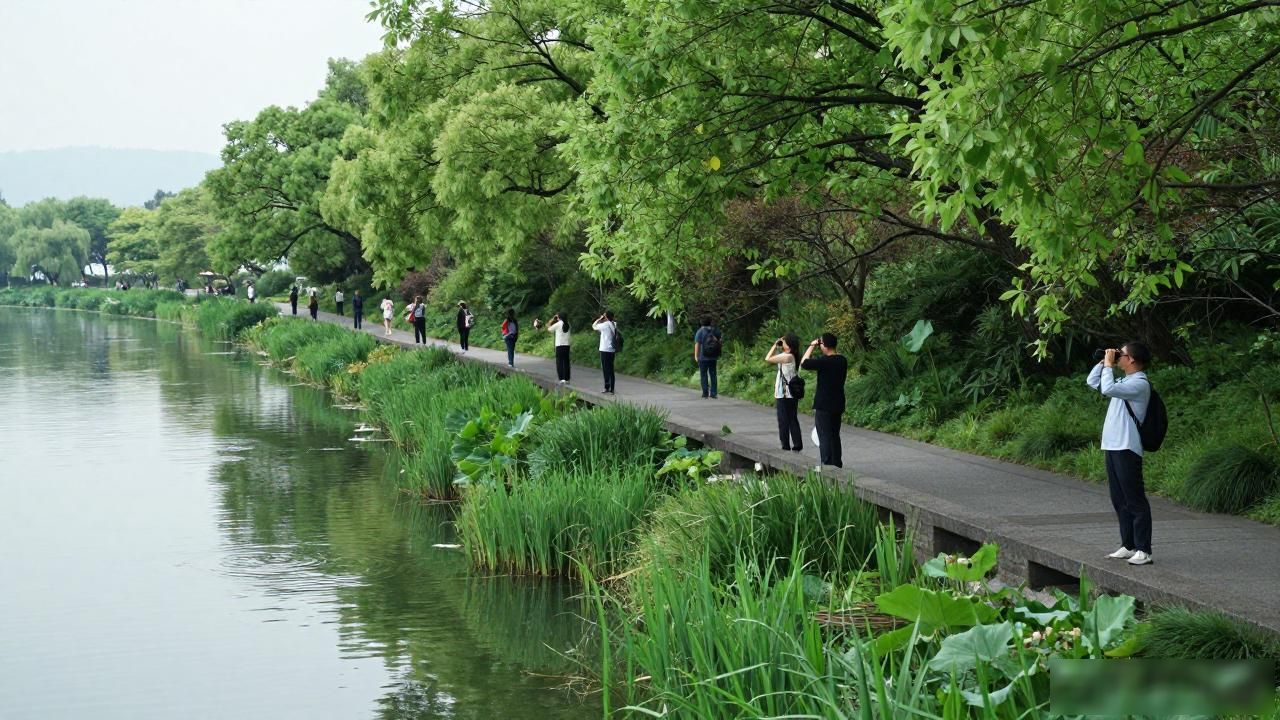
Yanggong Dike, located at the far western end, feels worlds away from crowded tourist zones. This ancient irrigation system dates back over a thousand years and now serves as a peaceful walking trail through wetlands. Bird watchers particularly enjoy this location during migration seasons.
The China National Silk Museum sits near the northwest corner and provides excellent context about Hangzhou’s historic role in silk production. Free entry makes it accessible to all travelers, and the collections span centuries of textile craftsmanship.
Nearby Lingyin Temple, though technically outside the main lake area, rewards visitors with ancient Buddhist carvings and serene courtyards. Combining both destinations in one day gives you a fuller picture of Hangzhou’s cultural heritage beyond scenic beauty.