
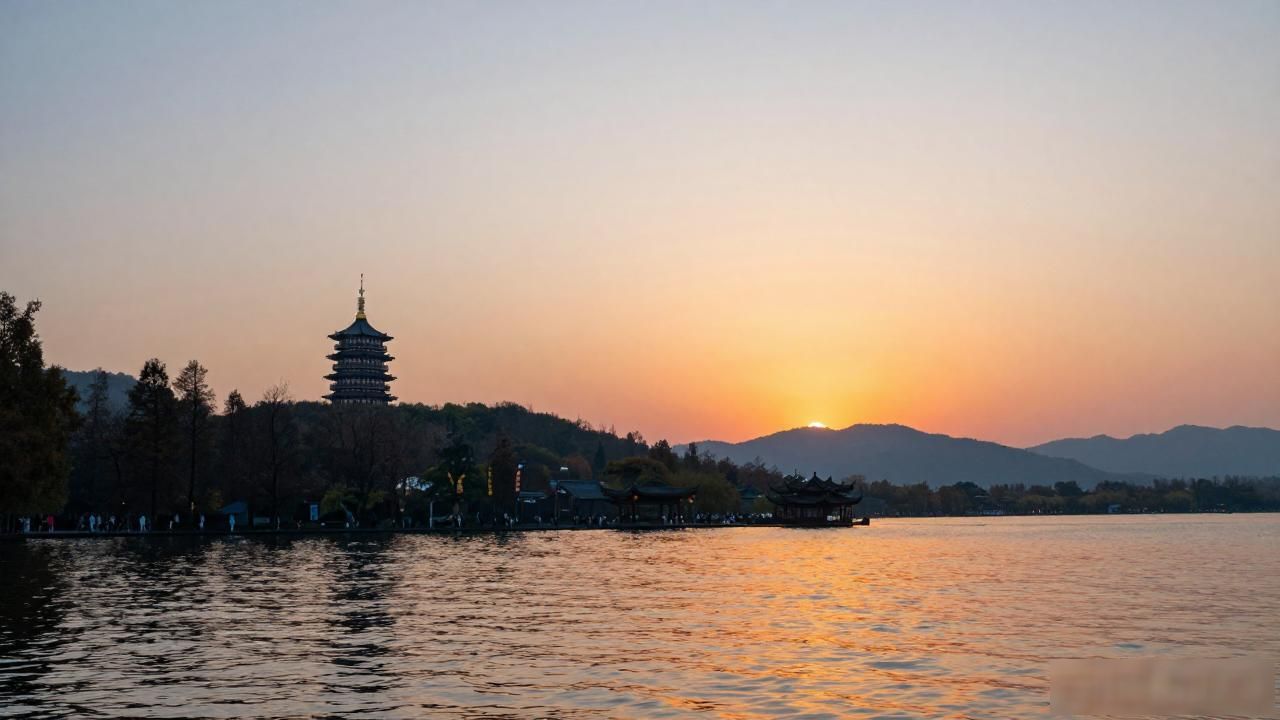
Hangzhou is one of those cities that feels like it was painted rather than built. West Lake sits at its heart, but there’s so much more hiding in the hills, temples, and quiet waterways if you know where to look. I’ve lived here for years, and every time a friend asks me where to go, I realize how many stories this city holds. This isn’t a guide written from a brochure. It’s what actually makes sense to see,in an order that lets you feel the place rather than just check it off.
What Are the Must-See Places in Hangzhou
West Lake is unavoidable, and honestly, you shouldn’t skip it. But most people do it wrong. They walk the outer path in two hours, take a boat photo, and leave. The trick is to go early, before the tour buses arrive, and wander into the smaller spots around the lake. Broken Bridge isn’t broken anymore, but the name is poetic and the views are real. Walk east along the shore toward Leifeng Pagoda and you’ll find quiet stretches where locals sit on stone benches watching fishermen cast lines.

The pagoda itself is a modern reconstruction, but climbing to the top gives you a view that no photo does justice. At sunset, the water turns gold and the distant hills fade into soft blue. I’ve watched this scene a thousand times and it still stops me cold. Nearby, Su Causeway is perfect for a slow walk among weeping willows. In spring the blossoms line the path and it feels like walking through a watercolor painting.
If you have one more day, Lingyin Temple is worth the trip. The old cloisters and carved rock Buddhas carry a weight that no museum can replicate. The surrounding area, Feilai Peak, has grottoes dating back to the Southern Song dynasty. Locals come here to light incense and burn paper offerings. It’s a living spiritual place, not a theme park version of Buddhism. Walk past the crowds and deeper into the mountain trails and the noise of the city simply disappears.
Where Should Tourists Stay in Hangzhou
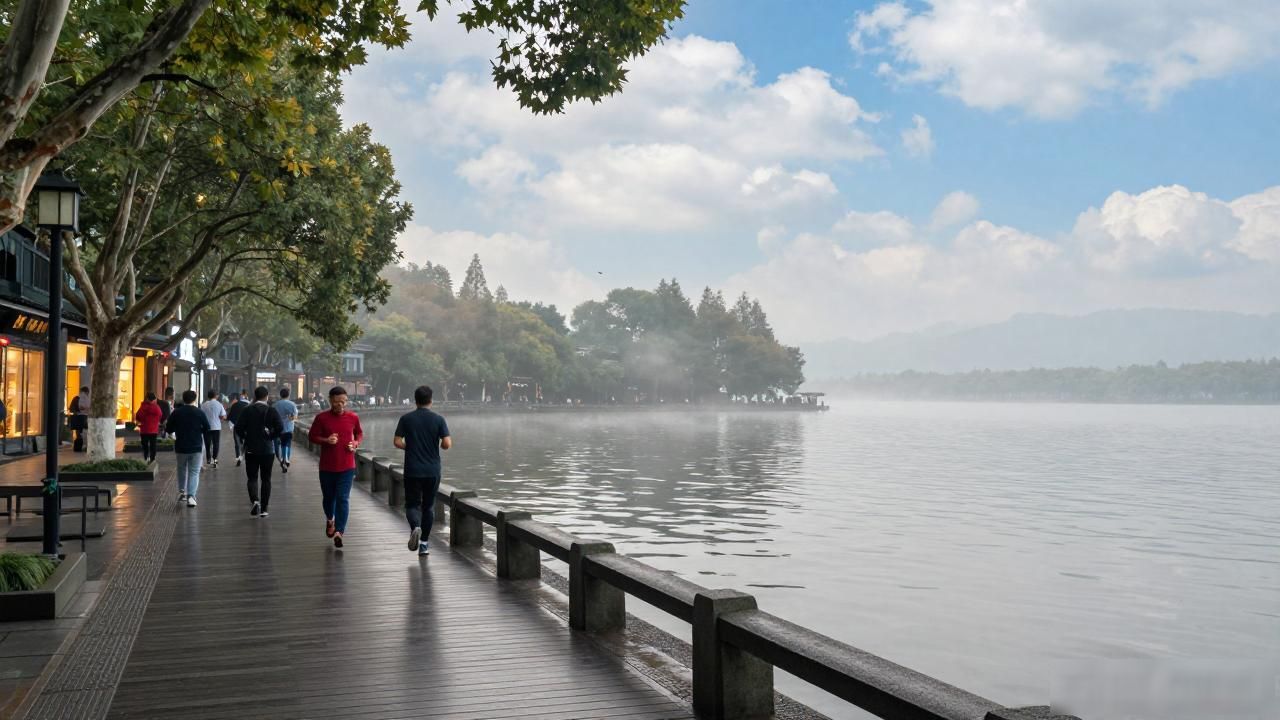
Location matters more than most guides admit. Staying near West Lake puts you within walking distance of the best restaurants, early morning jogs along the water, and evening strolls when the lights come on. The area around Hubin Road has everything, though it can feel busy. Move slightly west toward Yunque Hill and you find quieter boutiques, better tea houses, and a slower rhythm.
Xixi Wetland is another area worth considering if you prefer nature over city energy. It’s a bit farther from the lake but surrounded by reed paths, canals, and bird hides that feel worlds away from China’s biggest tourist hubs. Guesthouses here are modest but peaceful, and the morning mist rising off the water is something you remember long after you leave.
For a truly immersive stay, consider Longjing village itself. Tea plantations cover the rolling hills, and family-run inns offer simple rooms with views you’d pay triple for in downtown Hangzhou. You wake up to roosters, drink fresh Longjing tea made by the host, and hike trails that descend into valley streams. It takes forty minutes to reach the city center, but that distance is exactly what makes it special.
How Many Days Should You Spend in Hangzhou
Three days is the sweet spot. One day covers West Lake and the main temples. A second day lets you explore Xixi Wetland and the tea country without rushing. A third day gives you room for the Grand Canal, local neighborhoods, and the occasional lazy afternoon at a teahouse watching rain fall on lotus leaves. Anything less and you’re just scanning highlights. Anything more and you start craving the kind of pace you get elsewhere.
Hangzhou doesn’t shout at you. It whispers. The best moments are the ones you stumble into – a narrow alley behind a temple, a small boat drifting past mossy bridges, the smell of steamed buns from a street cart. That’s why the city rewards patience more than speed.