
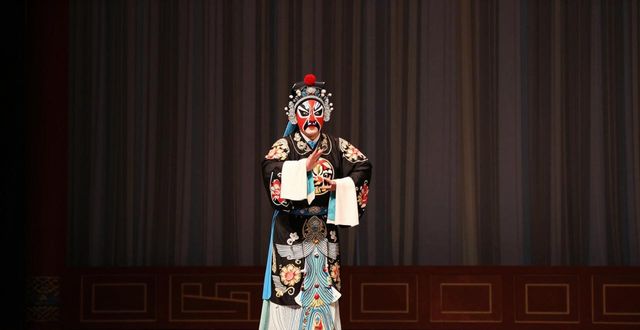
Sichuan Opera face change, or “Bian Lian,” is one of China’s most astonishing performing arts. For foreigners watching it for the first time, the lightning-fast mask swaps seem almost like magic. But behind the spectacle lies centuries of tradition, rigorous training, and secret techniques. In this article, I’ll explain how face change works, what it symbolizes, and where you can see an authentic performance.
How fast can a performer change masks
The speed of Sichuan Opera face change is truly breathtaking. A skilled performer can change masks in less than a second, often while turning around or waving a fan. Some artists have been recorded switching between 10 to 15 different masks in a single 30-second sequence. The fastest performances use hidden silk threads, spring-loaded mechanisms, or specially painted thin layers of silk that can be peeled off instantly. Every flick of the wrist or shake of the head might hide a secret move.

For audiences, this speed creates an illusion of shapeshifting. You will blink, and a fierce red face becomes a gentle green one. That rapid transition is not just for show—it represents sudden changes in a character’s emotion or identity. The performer must practice thousands of times to achieve that flawless rhythm. Without years of daily training, even a half-second delay would ruin the illusion.
What do the different face colors mean
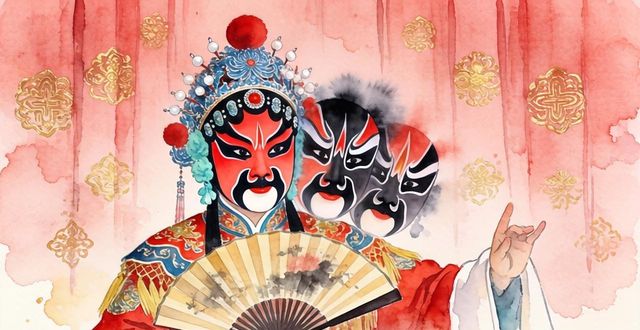
In Sichuan Opera, every mask color tells a story. Red stands for loyalty and courage, often used for heroes like Guan Yu. Black represents honesty and righteousness, seen on characters like Bao Zheng, the incorruptible judge. White signals cunning and betrayal, typical for treacherous officials. Blue and green suggest bravery mixed with a rebellious or demonic nature, while gold and silver are reserved for gods, ghosts, and supernatural beings.
When a performer changes from red to white in a split second, the audience instantly understands that a loyal hero has turned into a traitor. The change itself becomes a narrative tool. Unlike Western theater where actors rely on dialogue or makeup changes offstage, Sichuan Opera uses live mask transformations to drive the plot forward. This is why locals say you don’t need to understand the singing—the faces alone tell you who is good, evil, or conflicted.
Is face change a secret skill only passed down in families
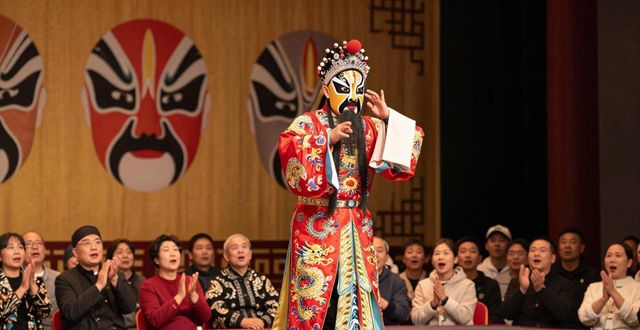
Yes, traditional Sichuan Opera face change was once a closely guarded family secret. For centuries, masters only taught the techniques to their own sons or a handful of chosen disciples. They would make the student swear an oath never to reveal the methods. Some old-school performers even performed with their backs turned to the audience while changing masks, so no one could see how they did it.
Today the art is still protected, but it has become slightly more open. Professional Sichuan Opera troupes now train young actors from different backgrounds, though they still require years of apprenticeship before teaching the most advanced moves. You will rarely find a detailed tutorial online because most performers honor the tradition of secrecy. However, foreign tourists can enjoy the magic without knowing the tricks—that mystery is part of the charm. What remains true is that you cannot learn face change from a book; it demands face‑to‑face transmission from a living master.
Where can travelers watch authentic face change performances
If you want to see real Sichuan Opera face change, head to Chengdu in southwestern China. The city is the undisputed home of this art form. The most famous venues include Shufeng Yayun (Sichuan Opera House) and Jinjiang Theater. Many of these shows are designed for international visitors, with English subtitles or narrations that explain each scene. Tickets typically cost between 100 and 300 RMB (about 15–45 USD), and performances run nightly.
For a more immersive experience, try the smaller teahouse theaters in Chengdu’s old alleys, such as those in Jinli Street or Wuhou Temple area. There, you can sip jasmine tea while watching a close‑up face change performance from just a few meters away. Some shows even invite audience members to examine the performer’s costume after the act—but the masks will already be changed back. Avoid generic tourist traps that claim to offer “authentic” face change but only show a quick 2‑minute routine. A proper Sichuan Opera performance usually lasts 90 minutes and includes fire‑spitting, acrobatics, and traditional music alongside the face changes.
Now I’d love to hear from you: If you could instantly change your “mask” like a Sichuan Opera performer—showing a different emotion or identity in a split second—what would you change into, and why? Share your thoughts in the comments below, and don’t forget to like and share this article with fellow culture lovers.
Wow, this piece of writing is nice, my younger sister is analyzing such things, therefore I
am going to inform her.