
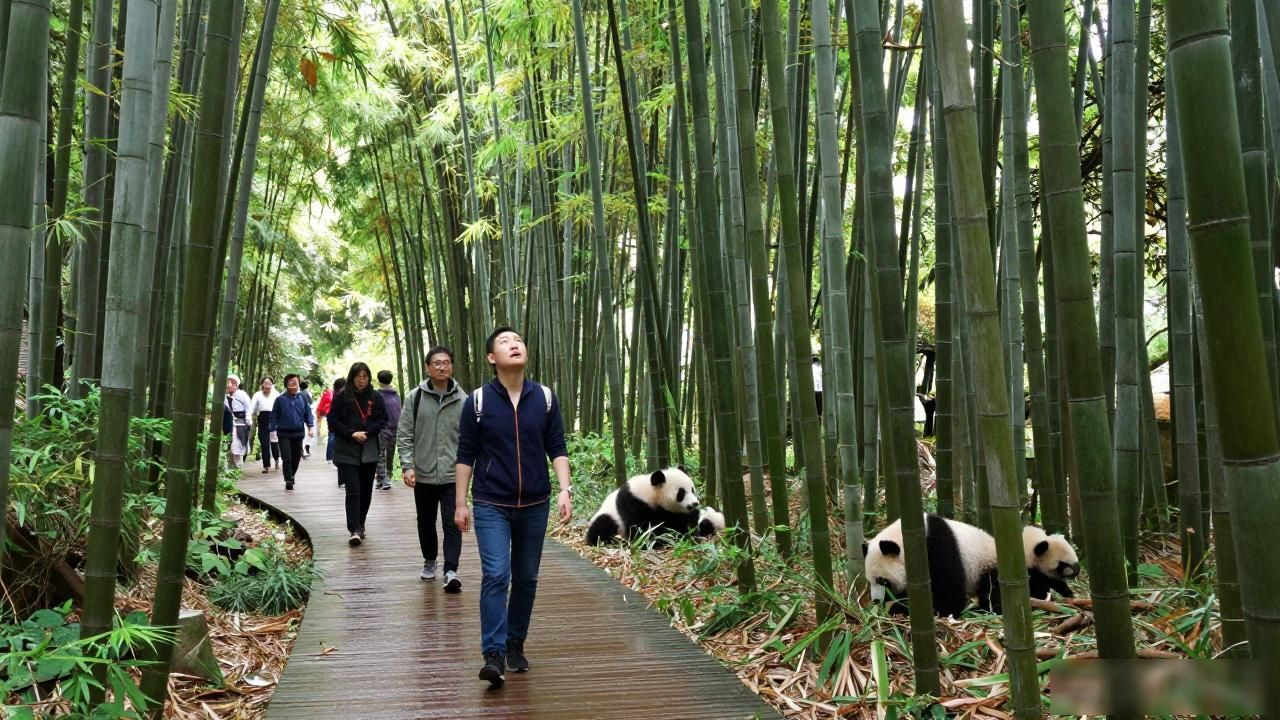
There is something almost magical about seeing a giant panda in the wilds of China. For centuries, these black-and-white bears have captured hearts worldwide, yet most people never grasp the full picture of what panda country truly offers. This is not just about cute faces on postcards. It is about ancient forests, dedicated conservationists, and a living story of survival that stretches across rugged mountain landscapes in southwestern China.
Where to See Giant Pandas in China

Wolong National Nature Reserve in Sichuan Province stands as the crown jewel of panda conservation. This expansive sanctuary covers thousands of square kilometers of bamboo forest, offering one of the most authentic experiences available. Visitors walk along designated trails and witness pandas moving freely through their natural habitat. The experience here carries a different weight compared to urban zoo encounters, since every step takes you deeper into territory that these creatures fought to reclaim from the brink of extinction.
Bifengxia Panda Base near Ya’an offers something more hands-on. Visitors can participate in feeding sessions, helping prepare bamboo shoots and “panda cakes” made from flour, egg yolks,and other nutrients. Standing just meters away from a juvenile panda as it greedily devours its breakfast creates memories that no photograph can truly capture.

Chengdu Research Base of Giant Panda Breeding sits on the outskirts of Sichuan’s capital and draws hundreds of thousands of visitors annually. It remains the most accessible destination for international travelers, combining convenience with genuine conservation work. The base houses both adult pandas and adorable cubs, offering year-round viewing opportunities regardless of seasonal changes in the wild.
What Makes Panda Conservation Meaningful
Behind every panda you encounter lies decades of tireless effort by Chinese scientists and rangers. Wild panda populations once teetered dangerously close to collapse due to habitat fragmentation and poaching. Today, through coordinated breeding programs and vast reforestation projects, China has successfully upgraded the giant panda from endangered to vulnerable status — a rare conservation victory that speaks volumes about what determination can achieve.

Understanding panda culture deepens the entire experience. These animals have served as symbols of peace and diplomatic warmth for China throughout modern history. The famous “panda diplomacy” began in the 1950s, with pandas gifted to nations around the world as gestures of goodwill. This tradition continues today, with loan agreements between China and foreign zoos strengthening international relationships one playful cub at a time.
For anyone planning a visit, the best seasons run from spring through early autumn when weather is mild and pandas remain most active. Packing patience proves essential — these shy creatures spend roughly fourteen hours daily eating and sleeping, so encounters require quiet observation and respect for their space.