
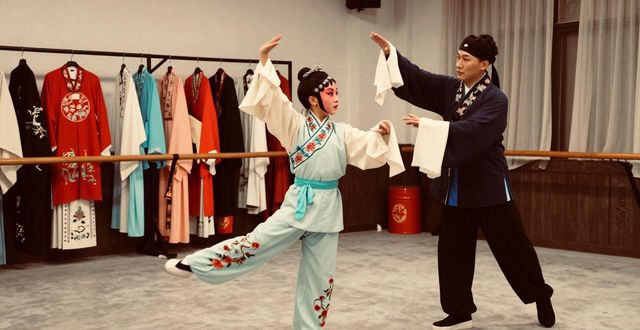
Sichuan Opera is one of China’s most dynamic and visually stunning performing arts, famous for its vibrant costumes, comedic characters, and the breathtaking face-changing technique known as Bian Lian. For foreigners interested in learning this ancient art form, training is both physically demanding and culturally immersive. It requires discipline, flexibility, and a deep respect for tradition. While the idea of mastering such a complex performance may seem intimidating, structured training programs exist that cater to international students, offering a rare glimpse into a world where theater and martial arts blend seamlessly.
How hard is Sichuan Opera training for beginners

The difficulty of Sichuan Opera training often surprises newcomers, especially those without a background in dance, acrobatics, or martial arts. Beginners must first build core strength and body awareness, as many movements involve rapid spins, kicks, and precise hand gestures. The physical conditioning is rigorous, often starting with basic stances that test balance and endurance. For foreigners, the language barrier adds an extra layer of challenge, as many traditional instructions are given in local dialects. However, most training schools now provide bilingual guides or demonstration-based teaching, which helps bridge the gap. The real hurdle is mental, not just physical. Students need patience to repeat the same movement hundreds of times until it becomes instinctive. Yet, those who stick with it find that the initial discomfort gives way to a sense of flow and artistic freedom.
What techniques are taught in face changing and acrobatics classes
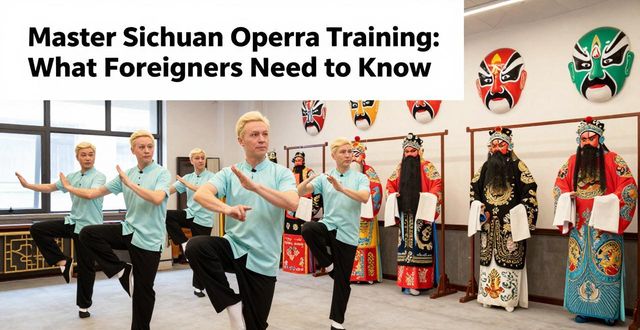
Face changing, or Bian Lian, is the crown jewel of Sichuan Opera, and learning it requires a mix of secret techniques and physical agility. In dedicated classes, students first study the mechanics of the masks, which are layered and attached with hidden strings or wires. The training focuses on hand speed, timing, and misdirection, as the performer must switch masks in a fraction of a second without the audience noticing. Beginners start with simple single-mask changes, practicing in front of a mirror to perfect the wrist flick. Acrobatics classes, on the other hand, emphasize tumbling, somersaults, and controlled falls. These movements are often combined with fan or sword handling, adding an extra element of coordination. Foreign students are encouraged to practice these techniques slowly at first, building muscle memory before attempting full-speed performances. The goal is not just to execute the tricks but to make them appear effortless and magical.
Where can foreigners join authentic Sichuan Opera training programs
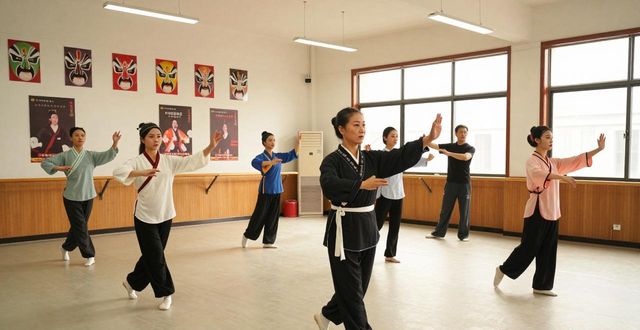
Finding a genuine training program can be tricky, as many commercial experiences are shallow performances rather than real classes. The most authentic options are located in Chengdu,the cultural heart of Sichuan Opera. Reputable institutions like the Sichuan Opera Academy offer short-term courses for international students, ranging from one-week introductions to three-month intensive programs. These classes are often held in traditional theaters, allowing students to learn backstage and even interact with veteran performers. Some programs also include language support, cultural lectures, and field trips to local teahouses where opera troupes perform daily. For those unable to travel, online tutorials from established masters are becoming more common, though they lack the hands-on feedback essential for mastering techniques like face changing. Regardless of the format, it is important to verify the credentials of the instructors and avoid programs that promise instant mastery, as true skill in Sichuan Opera takes years to develop.
The journey into Sichuan Opera training is demanding but deeply rewarding. It offers foreigners not just a skill, but a doorway into a world where history, art, and physical expression collide. For those willing to commit, the experience transforms how they see performance and Chinese culture itself.