
Title:
Where to Find Real Regional Chinese Food in America
Regional Chinese food is far more than the takeout staples of General Tso’s chicken or fried rice. Across China, each province has its own distinct cooking style, ingredients, and flavor profiles. For Americans looking to explore beyond the familiar, understanding these regional cuisines opens up a whole new world of taste and culture.

What makes each region’s food so different
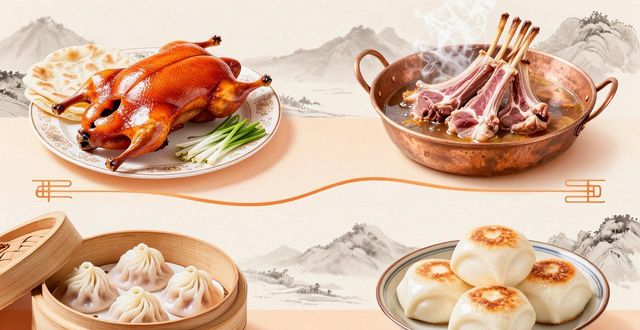
China’s vast geography and climate diversity created cuisines that vary dramatically from north to south. In the north, wheat replaces rice as the staple grain. You will find hand-pulled noodles, dumplings, and flatbreads in regions like Beijing and Shanxi. These dishes are often hearty and simple, designed to keep people warm during cold winters.
Sichuan province, by contrast, is famous for its bold use of chili peppers and Sichuan peppercorns. The numbing spice, known as mala, is a signature experience. Dishes like mapo tofu and dan dan noodles are now popular worldwide, but the real versions in Chengdu are far more layered and intense than what most American restaurants serve.
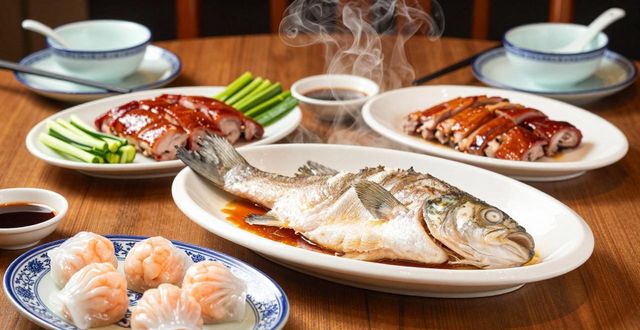
Cantonese cuisine, from Guangdong province, emphasizes freshness and subtle seasoning. Steamed fish, dim sum, and roast meats rely on high-quality ingredients rather than heavy sauces. This style heavily influenced early Chinese-American food, but the authentic versions are much lighter and more balanced.
How to identify authentic regional restaurants in your city
Finding genuine regional Chinese food in the United States takes a bit of know-how. Look for restaurants in neighborhoods with large Chinese populations, such as Flushing in New York, Monterey Park in Los Angeles, or Chinatown in San Francisco. These areas often have restaurants specializing in one specific region rather than a generic menu of everything.
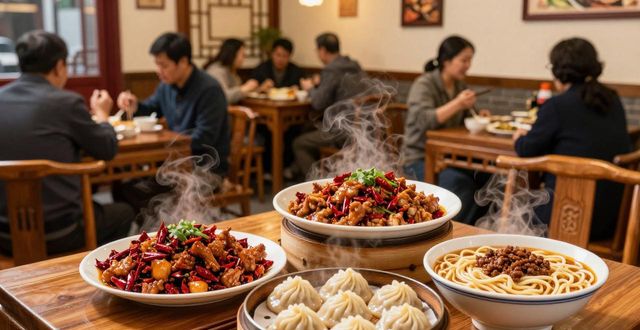
Check the menu for dishes not commonly found in standard Chinese-American spots. If you see items like Chongqing spicy chicken, Shanghainese soup dumplings, or Xi’an hand-ripped noodles, that is a good sign. Also, pay attention to the clientele. If most diners are Chinese speakers, you are likely in an authentic spot.
Many regional restaurants do not advertise heavily. Online forums, WeChat groups, and food blogs run by Chinese-Americans are excellent resources. Engaging with these communities can lead you to hidden gems that serve food exactly as it is eaten in China.
Every region in China has its own culinary identity worth exploring. From the fiery heat of Hunan to the delicate seafood of Fujian, regional Chinese food offers depth and diversity that rewards curious eaters. Start with one region, find a reliable restaurant, and let your taste buds travel.