
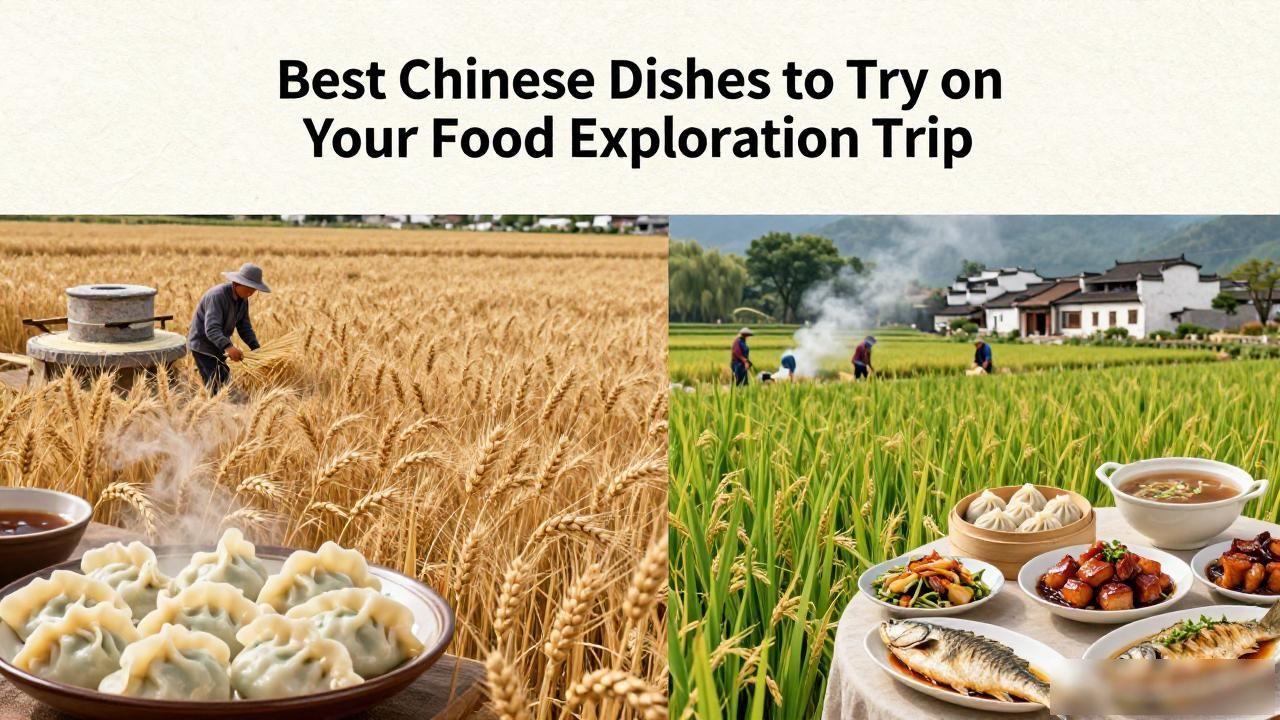
If you’re planning a trip to China, one of the most exciting parts will be the food. China food exploration is not just about eating—it’s about understanding a culture through its flavors, ingredients, and cooking methods. Every region has its own specialties, and the variety can feel overwhelming at first. But that’s exactly what makes it so rewarding.
What makes Chinese food so diverse

China is a huge country with many climates and landscapes, so the food changes a lot from place to place. In the north, wheat is the main crop, so you’ll find lots of noodles, dumplings, and steamed buns. In the south, rice is everywhere,and the food tends to be lighter and more delicate. The west, like Sichuan and Hunan, is famous for spicy dishes that make your mouth tingle. The east, around Shanghai and Jiangsu, prefers sweet and saucy flavors.
But it’s not just about ingredients. The cooking methods also vary. Stir-frying, steaming, braising, and deep-frying are all common, but each region has its own way of doing them. For example, Cantonese chefs focus on bringing out the natural taste of fresh ingredients, while Sichuan cooks love to layer bold spices and numbing peppers. When you start your China food exploration, try to eat at least one meal from each major region. That way, you’ll really see how geography and history shape the food.
How to find authentic local food without getting lost
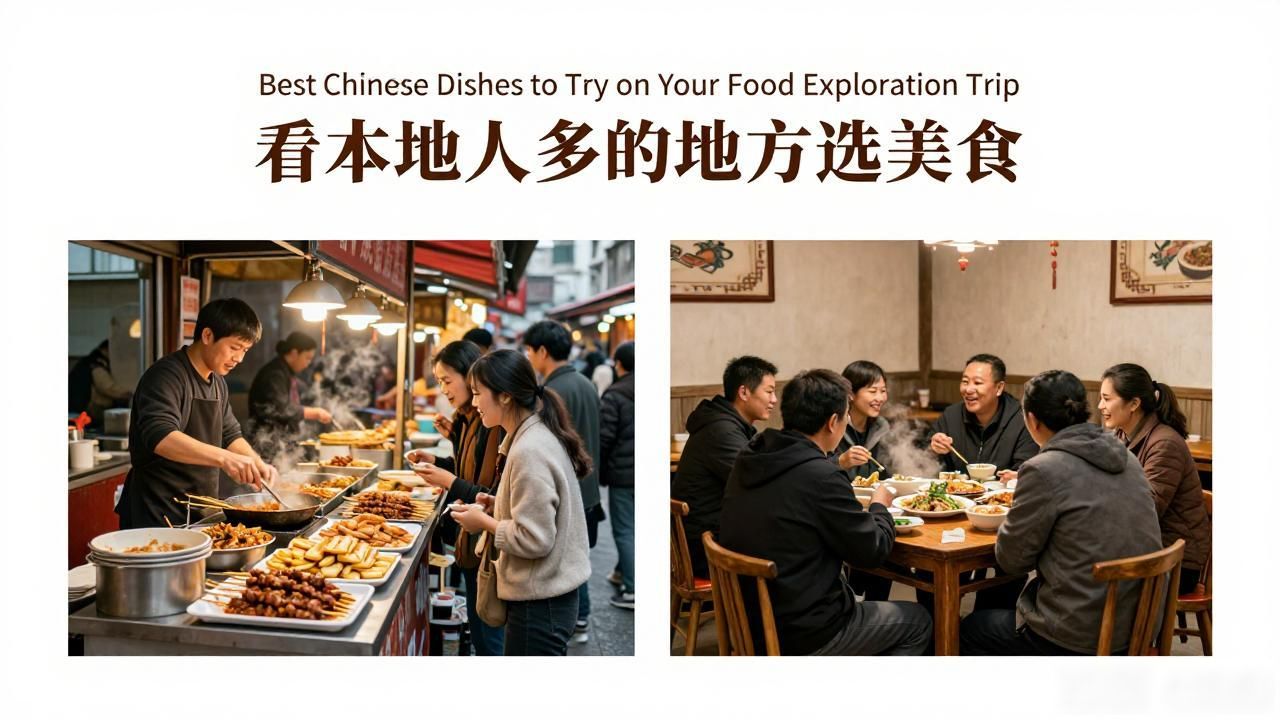
One big challenge for travelers is knowing where to eat. Street stalls and small local restaurants often serve the most authentic food, but it can be hard to tell which ones are good. A simple trick is to look for places that are busy with local people. If you see a crowd of workers or families eating at a small shop, that’s usually a good sign. Don’t be afraid to point at what others are eating and order the same thing.
Another tip is to learn a few food-related words in Chinese, like “spicy” (là), “not spicy” (bú là), and “delicious” (hǎo chī). Many menus have pictures, but they don’t always show the real portion size or spice level. Also, be open to trying things you’ve never heard of. Some of the best dishes are the ones you can’t find back home. For example, in Xi’an, try the lamb paomo, a bread and lamb soup that you tear the bread into yourself. In Chengdu, don’t skip the mapo tofu, even if you think you don’t like tofu. The key to a great China food exploration is curiosity and a willingness to eat like a local.
Street food is another must. In cities like Beijing, Shanghai, and Guangzhou, night markets are full of grilled skewers, fried snacks, and sweet treats. Just make sure the food is cooked fresh in front of you, and avoid anything that looks like it’s been sitting out for a long time. Your stomach will thank you for being careful, but don’t let fear stop you from trying new things.
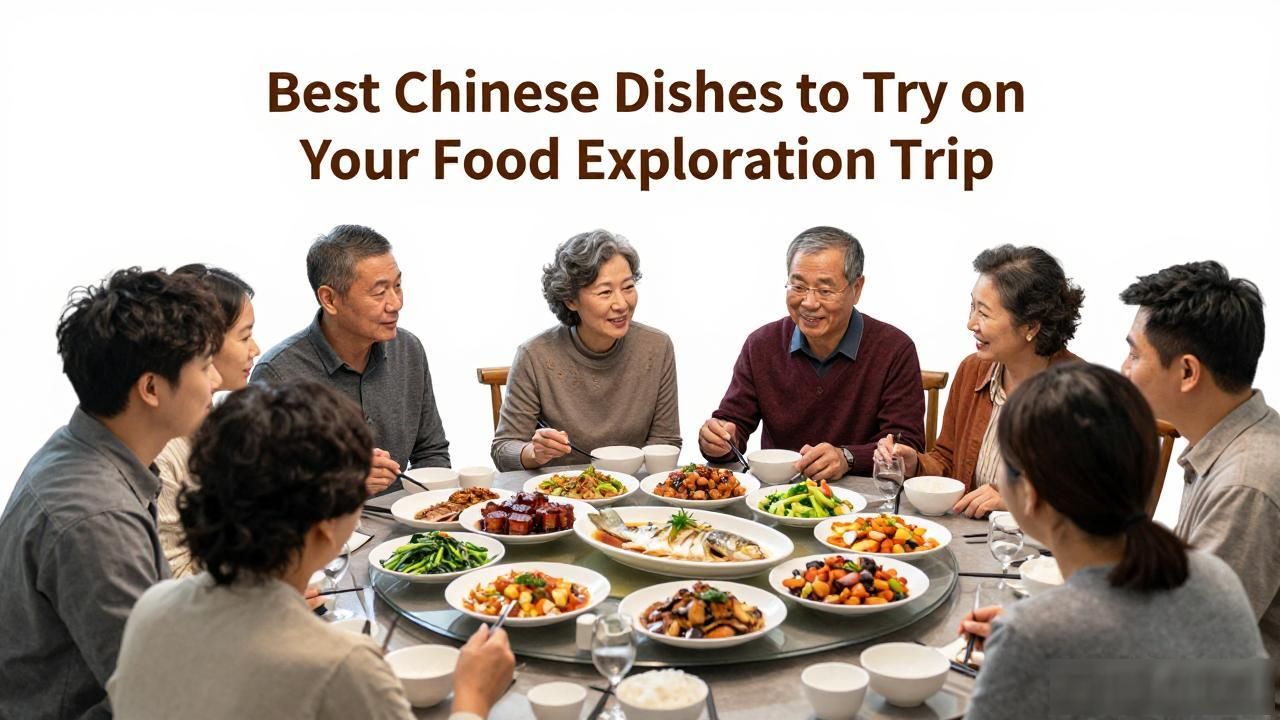
Finally, remember that Chinese meals are usually shared. Dishes come to the table one by one, and everyone takes a little from each plate. This is a great way to taste many different things in one meal. Ordering a variety of dishes is the smartest move for any food explorer. And don’t forget to finish with a simple soup or some fruit to balance the flavors.
China food exploration is a journey that will change how you think about food. Every bite tells a story, and every meal is a chance to connect with the people and the place. So pack your appetite and get ready to discover something new.