
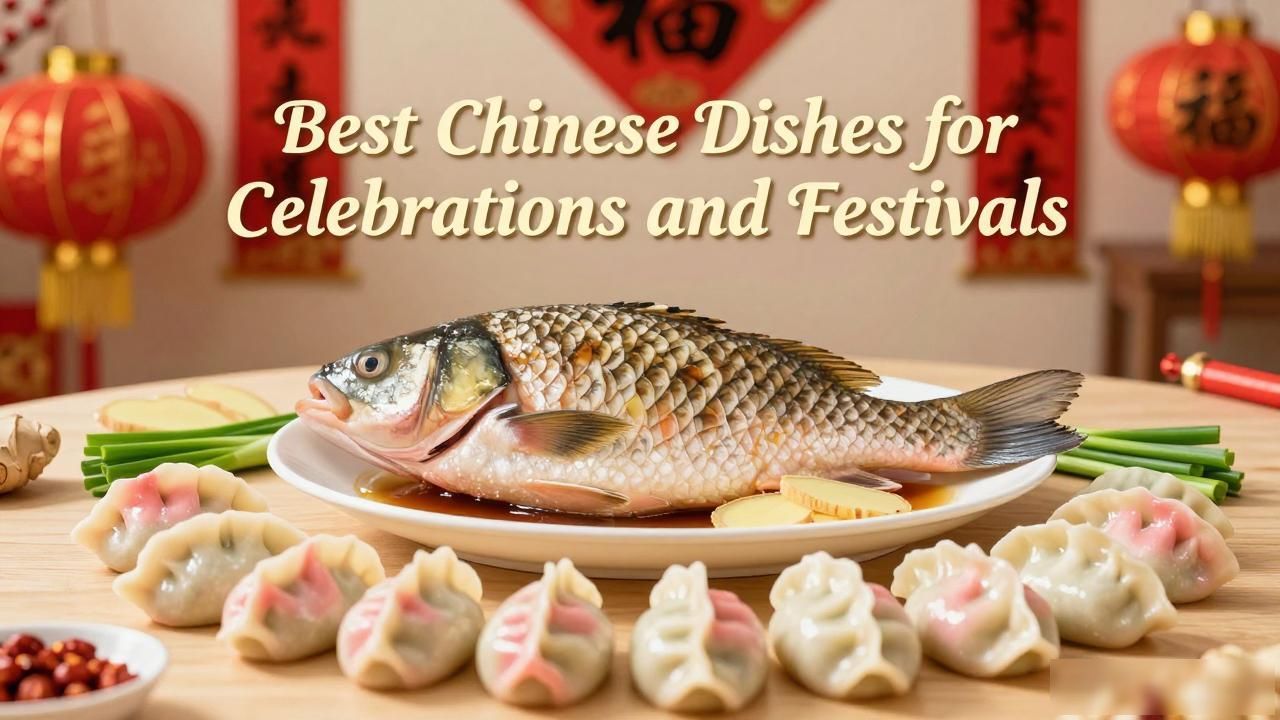
When it comes to special occasions, Chinese food is far more than just a meal—it’s a language of symbolism, tradition, and shared joy. From lunar new year feasts to wedding banquets, every dish carries a deeper meaning, often tied to prosperity, longevity, or family unity. The beauty of Chinese celebratory cuisine lies in how it balances flavor with intention, making every bite a wish for good fortune.
What dishes are served at Chinese New Year feasts

During Chinese New Year, the table is never complete without a whole fish, typically steamed and served with ginger and scallions. The Chinese word for fish, “yu,” sounds like the word for surplus,so eating fish symbolizes a wish for abundance in the coming year. Another must-have is dumplings, shaped like ancient silver ingots, representing wealth. Families often hide a coin inside one dumpling, and whoever finds it is said to have extra luck. Noodles are also essential, but they must be kept long and uncut, as they symbolize a long life. Spring rolls, golden and crispy, resemble gold bars and are believed to bring prosperity. These dishes are not just eaten; they are carefully chosen and arranged to create an atmosphere of hope and renewal.
How to choose Chinese banquet food for weddings
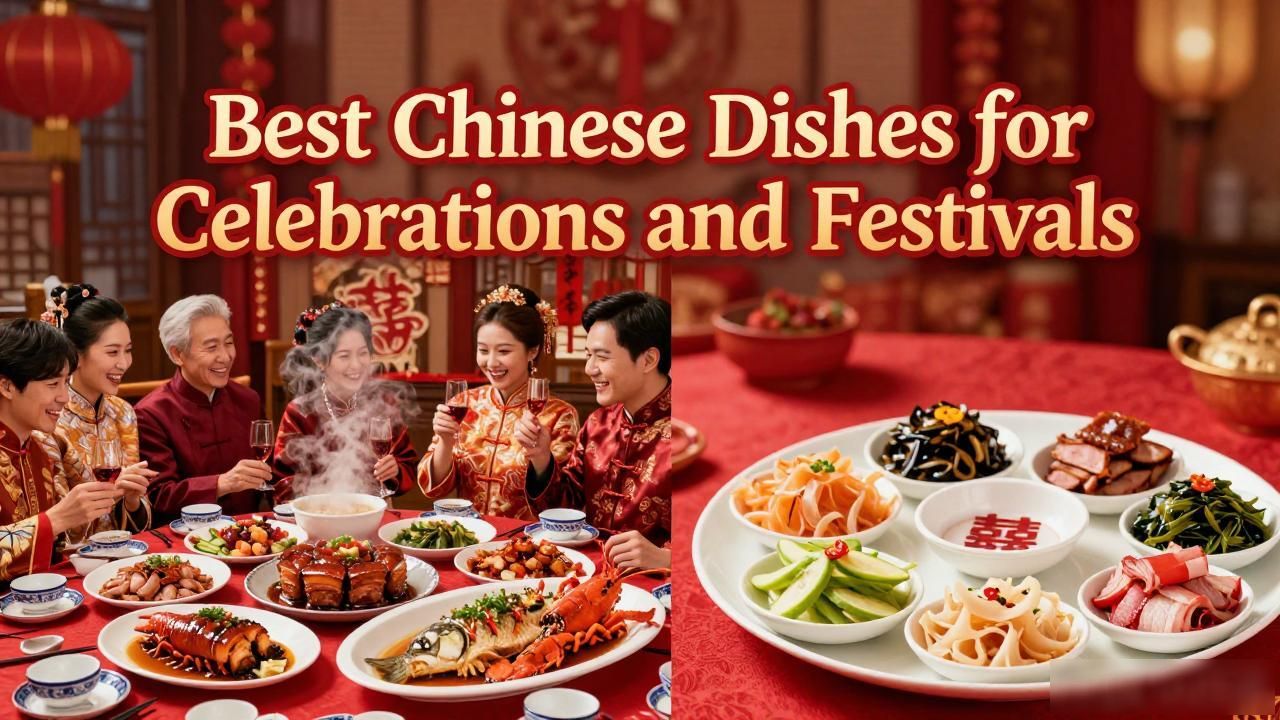
Wedding banquets in Chinese culture are elaborate affairs where every dish is selected to bless the couple. A classic starter is the “four happiness” appetizer platter, which often includes jellyfish, roast pork, and pickled vegetables, all symbolizing joy and harmony. The main course almost always features a whole chicken, representing a fresh start and a prosperous union, and a whole fish again, but this time to wish the couple an endless flow of happiness. Prawns are popular because they resemble laughter in Cantonese, so serving them means the couple will laugh often. Sweet dishes like red bean soup or lotus seed paste are served toward the end, symbolizing sweetness in marriage and fertility. The red dates and peanuts often found in desserts are puns for “early birth of a son,” reflecting traditional hopes for family continuation. Every course is a blessing wrapped in flavor.
Why longevity noodles are served at birthday parties
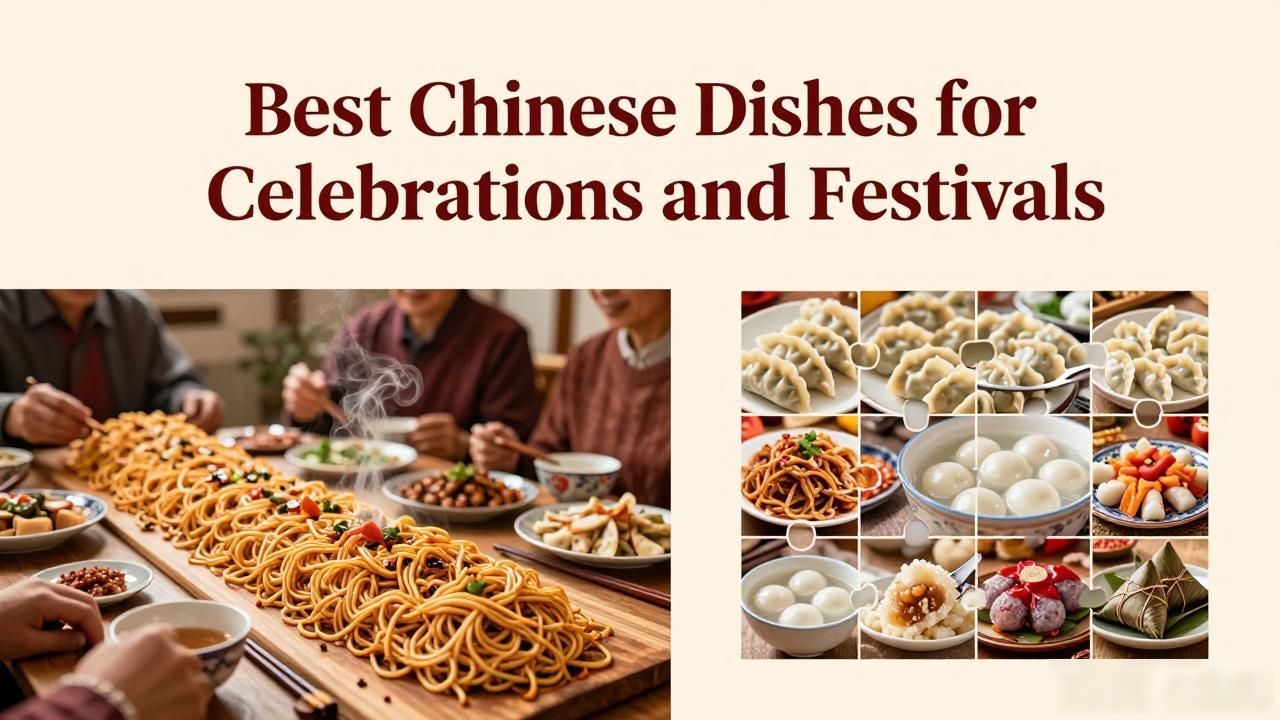
Longevity noodles are a staple at Chinese birthday celebrations, especially for elders. These noodles are intentionally made very long, sometimes over a meter, and are never cut during cooking or eating. The length directly represents the wish for a long, unbroken life. They are typically stir-fried or served in broth with vegetables, mushrooms, and sometimes a fried egg. The egg symbolizes rebirth and continuity, while the noodles themselves are the centerpiece of the wish. At the table, it’s common for the birthday person to lift the noodles high with chopsticks and take a long, slow bite, making sure not to break them. There is no cake-cutting ceremony that replaces this tradition; instead, the noodles are the emotional core of the meal. Guests often cheer as the birthday person eats, reinforcing the communal wish for many more years together.
Chinese food for special occasions is never random. Each ingredient, shape, and cooking method is chosen with purpose, weaving together taste, symbolism, and human connection. Whether it’s a fish for abundance, dumplings for wealth, or noodles for longevity, these dishes transform ordinary ingredients into carriers of hope. They remind us that food can be more than sustenance—it can be a celebration of life itself.