
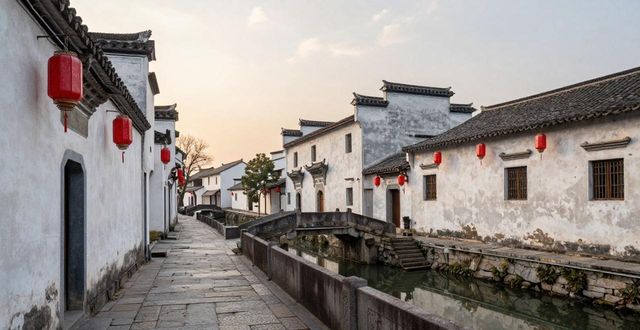
China is home to thousands of ancient towns, but names like Zhouzhuang, Fenghuang, and Lijiang now draw massive crowds, high prices, and a Disneyfied version of history. If you truly want to experience authentic waterways, centuries-old architecture, and local rhythms undisturbed by selfie sticks, you need to look beyond the tourist trail. Over the past decade of exploring China’s hidden corners, I’ve discovered several ancient towns that remain remarkably untouched. These places offer genuine encounters with living history, where elders still play mahjong in the shade and boatmen sing without expecting tips.
Hidden Ancient Towns You’ve Never Heard Of
Start your journey in Shaxi, a forgotten stop on the Tea Horse Road in Yunnan province. Unlike its overhyped neighbor Lijiang, Shaxi’s market square still hosts real livestock trading every Friday morning. The wooden stage shelters local Bai opera performances, not souvenir stalls. Another gem is Zhenyuan in Guizhou, where the Wuyang River cuts through a maze of Ming-era courtyards and temples. Few foreigners make it here, and even domestic tourists seldom venture this far. The narrow alleyways reveal daily life – women washing vegetables in the river, men carrying bamboo baskets full of charcoal.

For a true water town without Venice-style gondola queues, visit Anchang near Shaoxing in Zhejiang. Locals still use old stone bridges to hang laundry and dry pickled vegetables. The canals aren’t filled with tour boats but with small fishing vessels returning with the day’s catch. You can watch the century-old process of making fermented tofu in family-run workshops. Nearby, the village of Xinchang remains so isolated that many Ming-era houses still have their original carvings, untouched by the restoration frenzy that ruined larger towns.
Why Avoid Popular Tourist Traps
The famous ancient towns have become victim to their own success. Fenghuang charges a bundled entrance fee that feels like paying to enter a theme park. Its stilted houses now house neon-lit bars blasting pop music until midnight. Lijiang’s cobblestone streets are so packed during peak season that you cannot see the ground beneath shuffling feet. Every shop sells the same mass-produced “ethnic” crafts shipped from Shenzhen factories. Worst of all, the real residents have moved out, replaced by business owners who rent storefronts to profit from the tourist dollar.
What you lose in these popular towns is authenticity – the subtle details that make ancient Chinese towns precious. The smell of coal smoke from a family’s kitchen, the sound of roosters at dawn, the sight of old calligraphy on a decaying doorframe. These cannot be manufactured. In untouristed towns, you still encounter these sensory gifts. You might be invited into a home for tea, or watch a coffin-making workshop that has operated for six generations. That depth of experience never appears on a packaged tour itinerary.
How to Experience Local Life Without Crowds
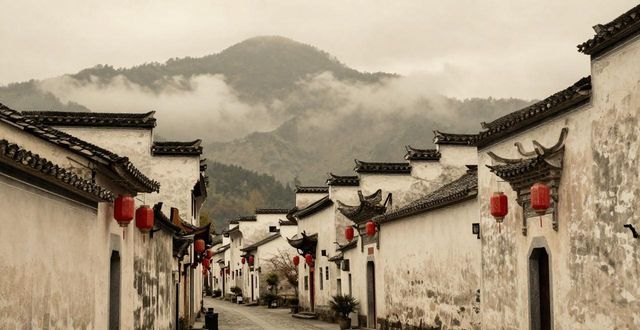
To truly immerse yourself, learn a few basic Chinese phrases – not for directions,but to show respect. In quiet towns like Hongjiang in Hunan, I’ve found that a simple “zhe li hen piao liang” (this place is beautiful) opens doors. Stay in family-run guesthouses rather than chain hotels. These are often converted ancestral homes with creaky wooden floors and antique furniture. The grandmother who runs the place will likely cook you breakfast using vegetables from her garden and tell stories about the town’s revolutionary history over weak green tea.
Timing matters enormously. Visit on weekday mornings, especially right after the morning market rush when vendors pack up but before day-trippers arrive. The light around 7 AM paints the whitewashed walls in golden hues, and the only sounds are sweeping brooms and boiling water for noodles. Avoid Chinese national holidays at all costs – even hidden towns can see a surge of domestic tourists during May Day or National Day week. Instead, aim for March or November when weather is mild and crowds are nonexistent.
When to Visit for the Best Experience
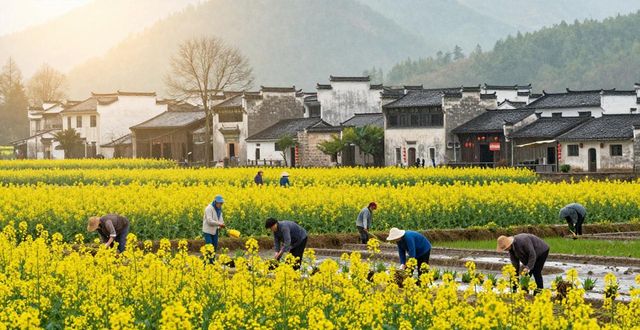
Spring brings blooming rapeseed flowers that turn the countryside surrounding towns like Xiage in Anhui into a yellow ocean. The air smells sweet, and farmers are busy planting rice, giving you a front-row seat to agricultural cycles unchanged for centuries. However, expect occasional rain that can make dirt paths muddy. Autumn is arguably better – crisp blue skies, harvest festivals, and cooler temperatures perfect for hiking the ancient stone paths that connect villages. In November, many towns dry persimmons and chilies on their rooftops, creating stunning patches of orange and red against gray tiles.
Winter has its own magic if you don’t mind the cold. Fewer visitors than any other season, and you might catch preparations for Lunar New Year – families making sticky rice cakes, pasting red couplets, setting off occasional firecrackers. The lack of leaves on trees reveals architectural details hidden during summer. Just avoid the week of Chinese New Year itself, when all transportation becomes a nightmare and even remote towns fill with returning family members. Any other winter week offers solitude and lower hotel prices.
Have you discovered a quiet ancient town in China that still feels real and uncrowded? Share its name and your experience in the comments – and if this guide helped you, please give it a like and share it with fellow travelers seeking authentic adventures.