
Hangzhou silk products have been treasured for centuries, not just in China but across the globe. As someone who has spent years studying and trading these exquisite textiles, I can tell you that Hangzhou silk stands out for its unmatched softness, vibrant colors, and intricate craftsmanship. Whether you are a fashion designer, a luxury gift buyer, or simply a traveler looking for authentic souvenirs, understanding what makes Hangzhou silk special will help you make informed choices. In this guide, I will walk you through the key features, care tips, and purchasing advice for these legendary fabrics.
What makes Hangzhou silk so unique
The secret lies in the local mulberry trees and the pure water of the West Lake region. Silkworms raised here produce the finest, longest fibers, resulting in silk that is smoother and more lustrous than any other. Traditional weaving techniques, some dating back to the Song Dynasty, are still practiced by master artisans. For example, the famous “Hangzhou Luo” silk has a distinctive ribbed texture that feels cool against the skin, making it perfect for summer garments. Unlike mass-produced alternatives, each piece undergoes rigorous quality checks, ensuring that every yard meets the highest standards.

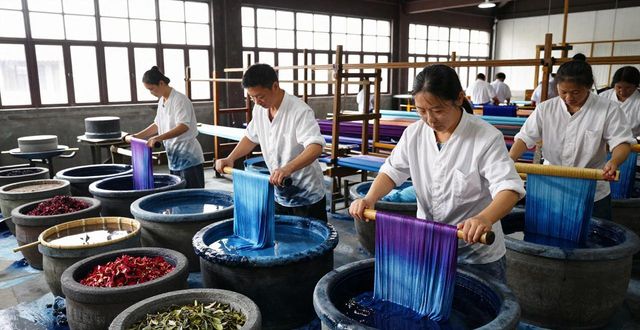
Another factor is the natural dyeing process. Many Hangzhou silk factories still use plant-based dyes derived from indigo, safflower, and tea leaves. This not only creates richer, more enduring colors but also makes the silk hypoallergenic. I have seen countless tourists compare Hangzhou silk with Suzhou or Italian silk, and most agree that Hangzhou’s has a unique “watery” sheen – a result of the region’s humid climate during weaving. If you ever visit a local workshop, you will notice how the fabric seems to flow like liquid light. That is something no machine can replicate.
How to identify authentic Hangzhou silk products
With so many imitations on the market, knowing how to spot the real thing is crucial. First, look for the “China Silk” certification label, which includes a serial number you can verify online. Genuine Hangzhou silk has a characteristic “scroop” – a soft, crunchy sound when you rub two layers together. Fake silk,usually polyester, feels slippery and makes no such noise. Also, perform the burn test: take a few loose threads. Real silk smells like burning hair and leaves a fine, crushable ash, while synthetics melt into hard plastic beads.
Pay attention to the weight and drape. Authentic Hangzhou silk feels heavier than it looks and drapes elegantly without stiffness. Check the edges: hand-rolled hems are a sign of quality, whereas cheap products often have machine-stitched edges that curl. Another insider tip: rub the fabric against your cheek. Real silk warms up instantly and feels like a second skin, while synthetics remain cool and slightly sticky. Reputable stores like Wangxingji (founded in 1875) and the China Silk Museum’s gift shop are safe bets. Avoid street vendors selling “bargain silk” – if the price seems too good to be true, it probably is.
Best ways to care for your Hangzhou silk
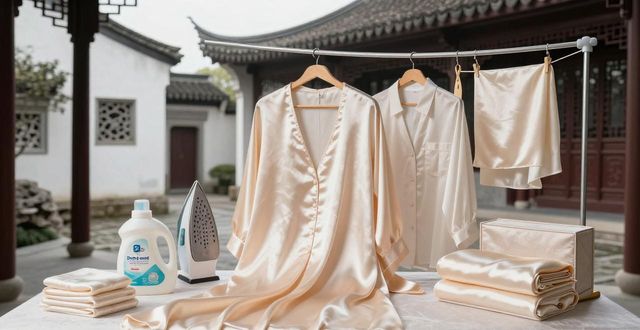
Proper care ensures your silk products last for decades. Always hand-wash in cold water using a gentle, pH-neutral detergent specifically made for silk. Never use bleach or fabric softeners, as they break down the protein fibers. Gently squeeze – never wring – the water out, then roll the item in a clean towel to absorb excess moisture. Hang to dry away from direct sunlight, which can fade colors. For ironing, use the lowest heat setting and iron while the silk is slightly damp, always on the reverse side.
For stubborn stains, take your silk to a professional dry cleaner who specializes in delicate fabrics. Avoid spraying perfume or hairspray directly onto silk, as alcohol can cause spotting. When storing, wrap your silk items in breathable cotton or acid-free tissue paper, never plastic bags which trap moisture and lead to mildew. I have seen heirloom silk pieces from the Qing Dynasty still in perfect condition because their owners followed these simple rules. Remember, Hangzhou silk is an investment – treat it with respect, and it will reward you with timeless beauty.
Where to buy Hangzhou silk products without getting cheated
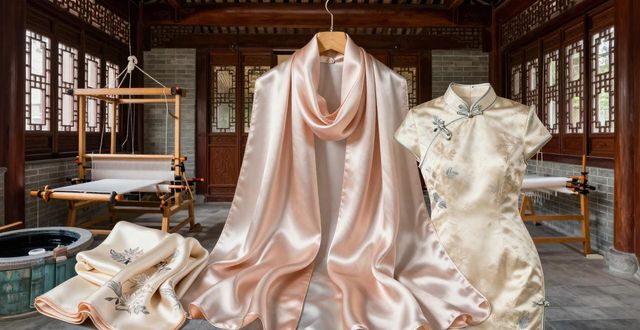
The best places are the official outlets of state-owned silk factories, such as the Hangzhou Silk Town on Xinhua Road or the Silk City wholesale market near the train station. These locations have transparent pricing and allow you to examine the fabric under natural light. Another excellent option is the China National Silk Museum, where you can buy directly from artisans who demonstrate traditional looms. For online shopping, stick to verified Alibaba Gold Suppliers or the official Tmall stores of century-old brands like Dujinsheng and Zhaofeng.
Always ask for a written receipt that states the silk grade (6A is the highest) and the percentage of pure silk. Avoid products labeled “silk blend” unless you specifically want a mix. If you are buying scarves or quilts, request a sample swatch to test at home. Many tourists make the mistake of buying from hotel gift shops, which often mark up prices by 300%. Instead, hire a local guide for a half-day silk tour – they can take you to the same factories that supply luxury brands like Hermès and Chanel, where you pay wholesale prices. And do not forget to haggle politely; a 20-30% discount is standard in markets.
What is your biggest concern when buying silk – authenticity, price, or long-term care? Share your thoughts in the comments below, and if you found this guide helpful, please like and share it with fellow travelers. Your engagement helps more people discover the true beauty of Hangzhou silk products.