
Ten days in China is the sweet spot. You get to taste the big hits without feeling like you’re racing through a checklist. This itinerary covers Beijing, Xi’an, Zhangjiajie, and Changsha — four cities that together tell the story of China’s past and its pulsing present.
It works whether you’re traveling solo, as a couple, or with a small group. The pace is relaxed enough to actually absorb what you’re seeing, yet packed enough to make every hour count.
Exploring Beijing in 3 Days
Day one lands you in the heart of imperial Beijing. Start at the Forbidden City, but go early. The morning light hitting those golden roofs is something you’ll remember forever. Spend three solid hours wandering its courtyards and halls. This is where Chinese emperors held court for nearly five centuries,and the scale of it is almost impossible to grasp from photos alone.

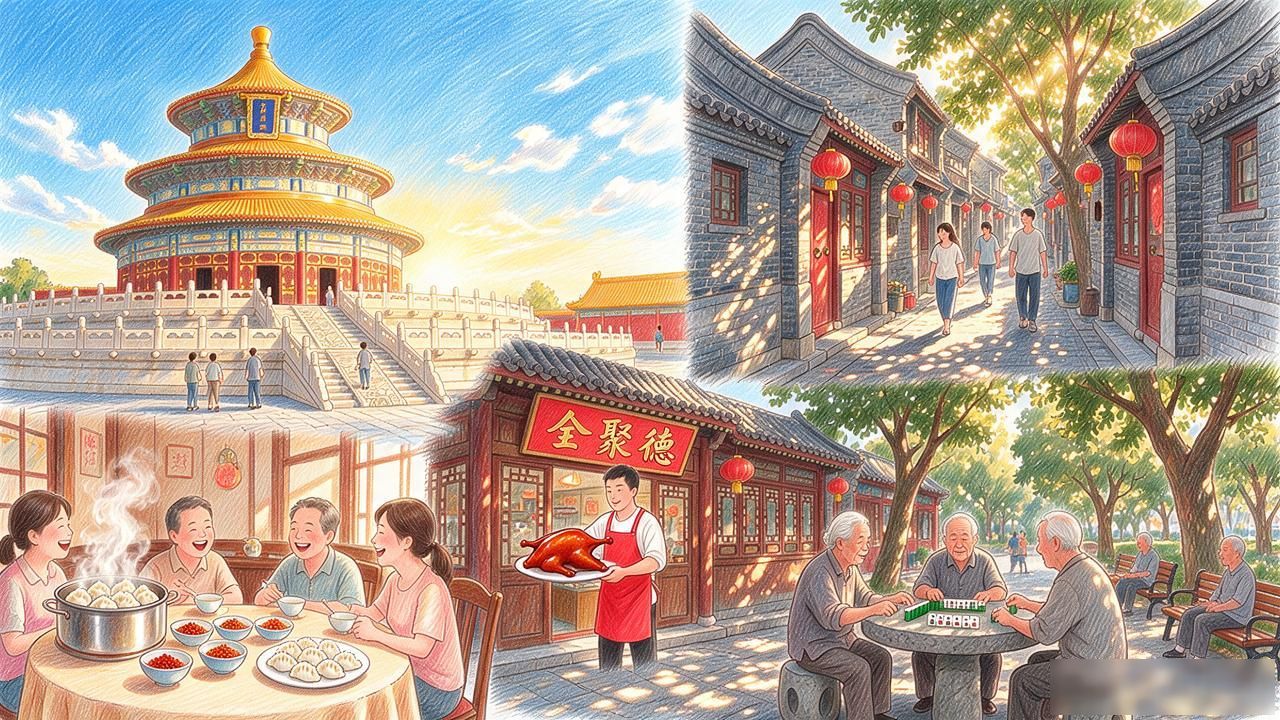
Afternoon takes you to the Temple of Heaven and then into the narrow hutong alleys near Nanluoguxiang. Grab dumplings at a family-run spot, watch locals play mahjong in the park, and feel the city slow down. End the day with Peking duck at Quanjude or, if you can snag a reservation, Da Dong.
Days two and three stretch into the Great Wall and the Summer Palace. Mutianyu section is the best balance — restored enough for comfort, remote enough for atmosphere. Hike a few watchtowers, then chairlift back down. The wall doesn’t look like a postcard until you’re standing on it, wind in your face. The Summer Palace offers a different kind of grandeur, with its long corridor paintings and Kunming Lake stretching toward the Longevity Hill.
Discovering Xi’an’s Ancient Wonders
Xi’an is where Chinese civilization gets real. The Terracotta Army hit me hard — thousands of life-size soldiers arranged in battle formation, each face unique. It sounds dramatic but it’s genuine. Book a guide who actually knows the history, not just someone reciting a script. The underground pits are vast, and you’ll miss half the story without context.
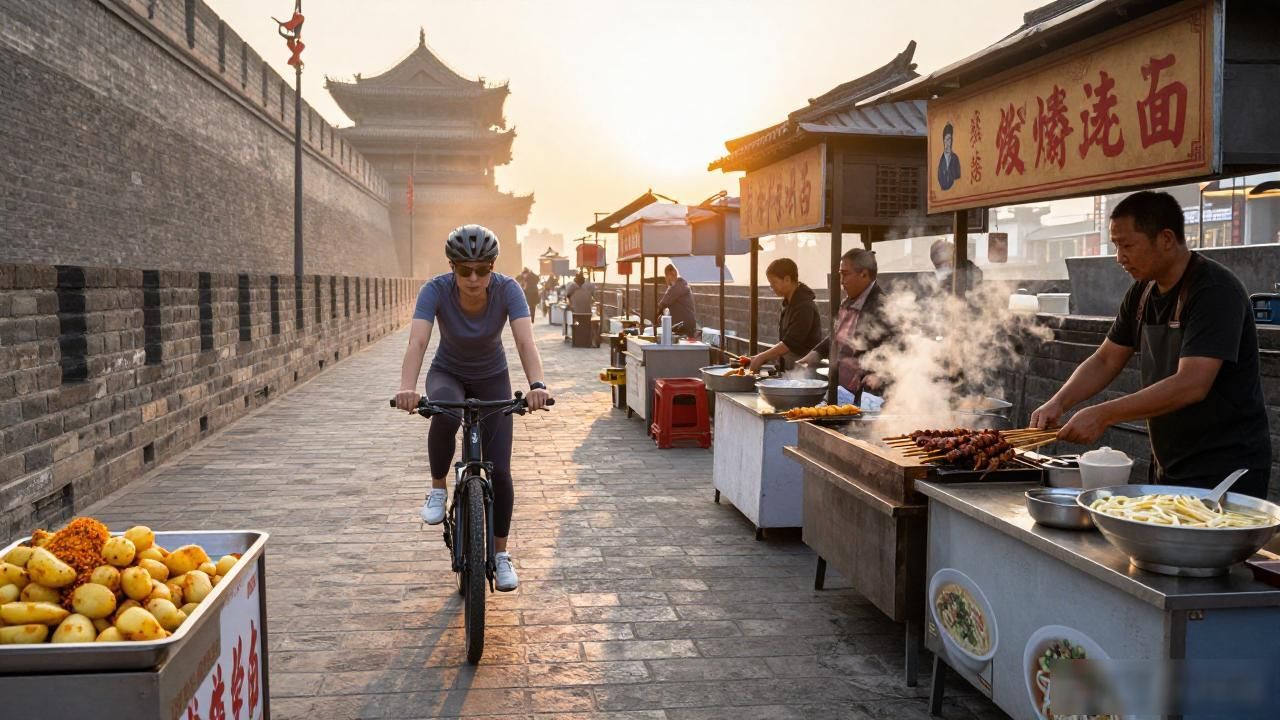
The next morning, cycle the ancient city wall at sunrise. The path is smooth, the air is clean, and the whole city wakes up around you. Down below, the Muslim Quarter explodes with flavor. Lamb skewers, cumin potatoes, biangbiang noodles — eat your way through the maze of stalls. Don’t bother with the fancy restaurants; the best food lives in the cramped, steamy shops with plastic stools.
Museum day reveals Xi’an’s depth. The Shaanxi History Museum houses Tang dynasty gold and silverwork that puts European medieval artifacts to shame. Finish at the Giant Wild Goose Pagoda, beautifully lit at night when the surrounding fountain show kicks off.
Nature and Modern Life: Zhangjiajie and Changsha
Zhangjiajie is the place that broke my expectation of what China could look like. Pillar-like sandstone columns rise hundreds of meters into cloud-covered skies. It’s surreal, otherworldly, and somehow completely natural. Wulingyuan Scenic Area eats a full day. Take the cable car up, hike between viewpoints, and try not to rush. The Yuanjiajie platform, where Avatar’s floating mountains were inspired, draws crowds but the view justifies it.
Changsha arrives as a sharp contrast — loud, spicy, relentlessly alive. Orange Isle stretches into the Xiang River with a massive Mao Zedong statue at its center. The university district around Hunan Normal University gives the city an irrepressible youth energy. Night markets here don’t close; they just get busier.
Spicy food in Hunan hits differently than anything you’ve tried in Sichuan. It’s less numbing and more direct fire, layered with fermented flavors that develop slowly on your palate. Stinky tofu, beef broth noodles, pickled mustard greens — every bite tells a story of this region’s agricultural heritage.
Ten days flies by. By the end, you’ll have walked imperial palace grounds, stood among ancient armies, hiked through alien landscapes, and eaten your way through some of China’s most flavorful streets. China rewards travelers who come ready to be surprised.